
Last updated November 25, 2026
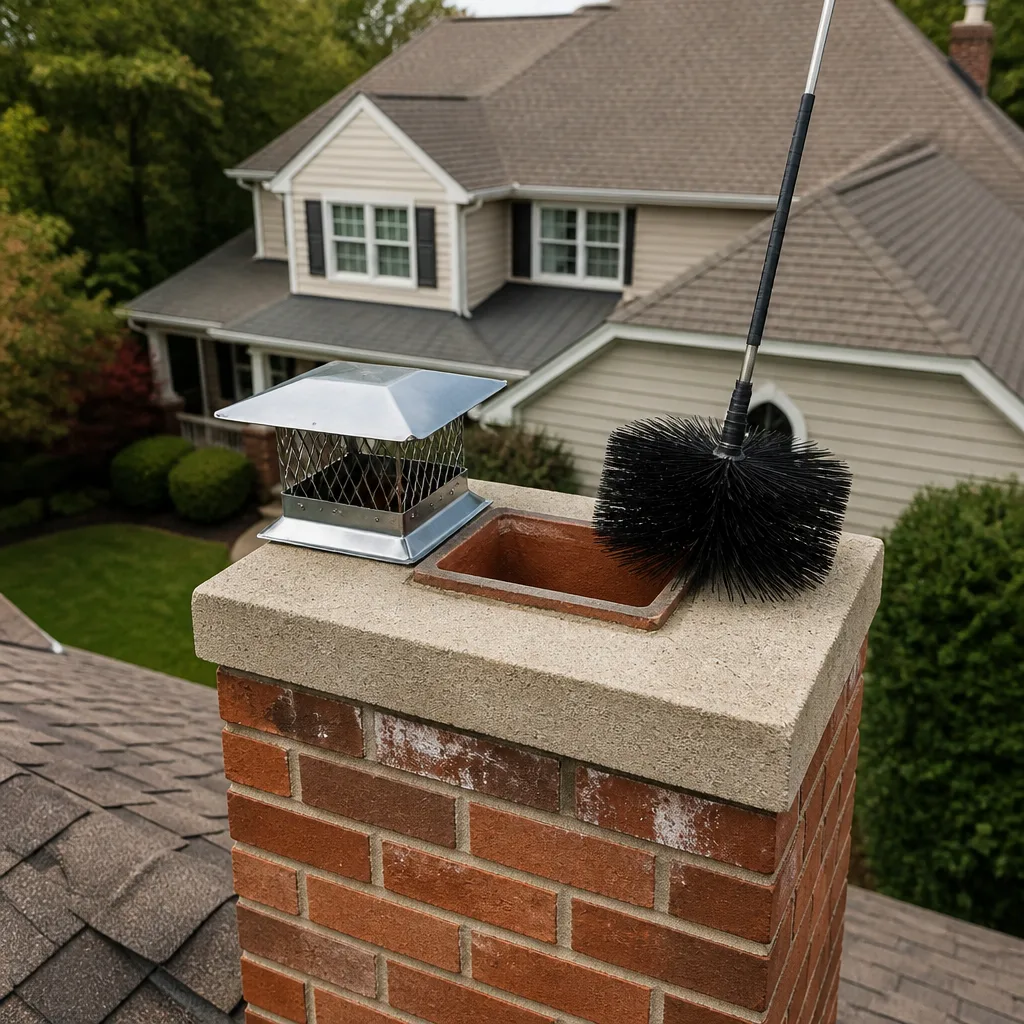 Sweep & inspection
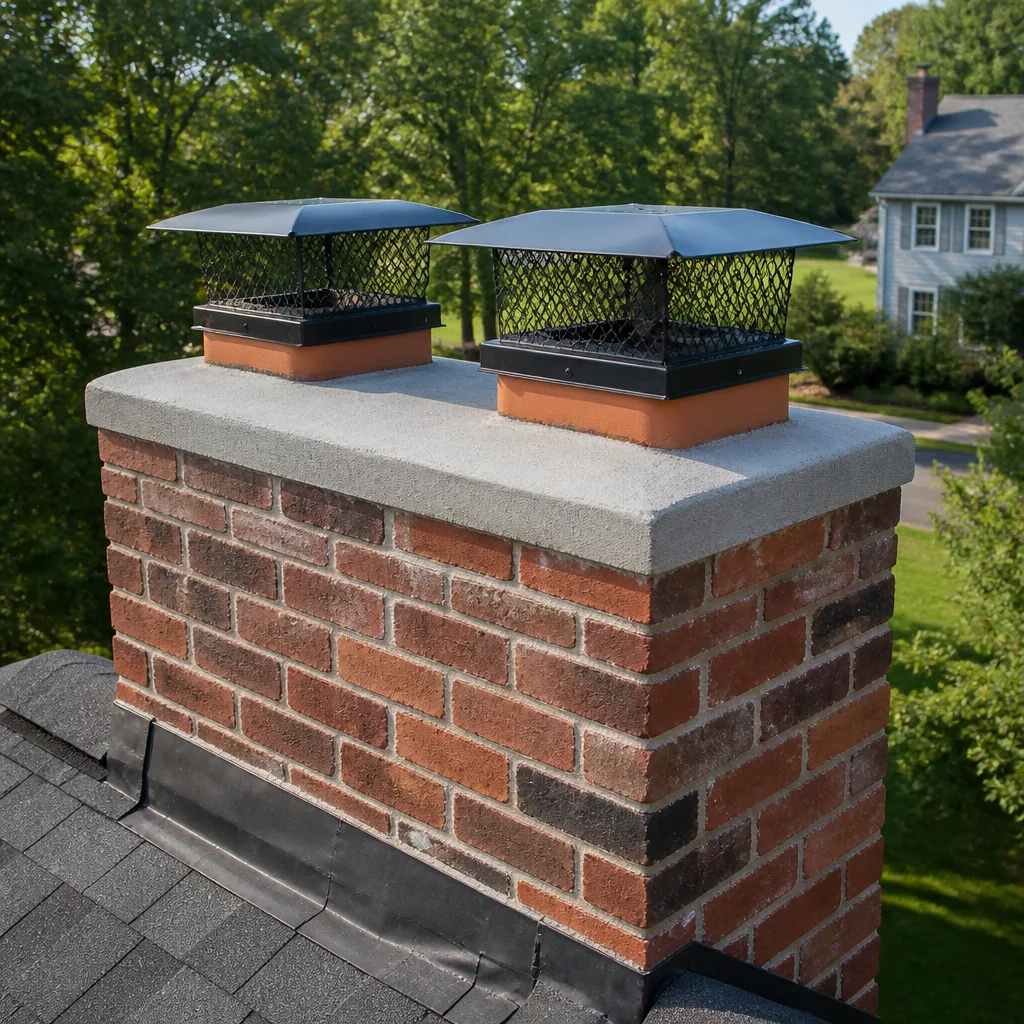 Caps & crowns
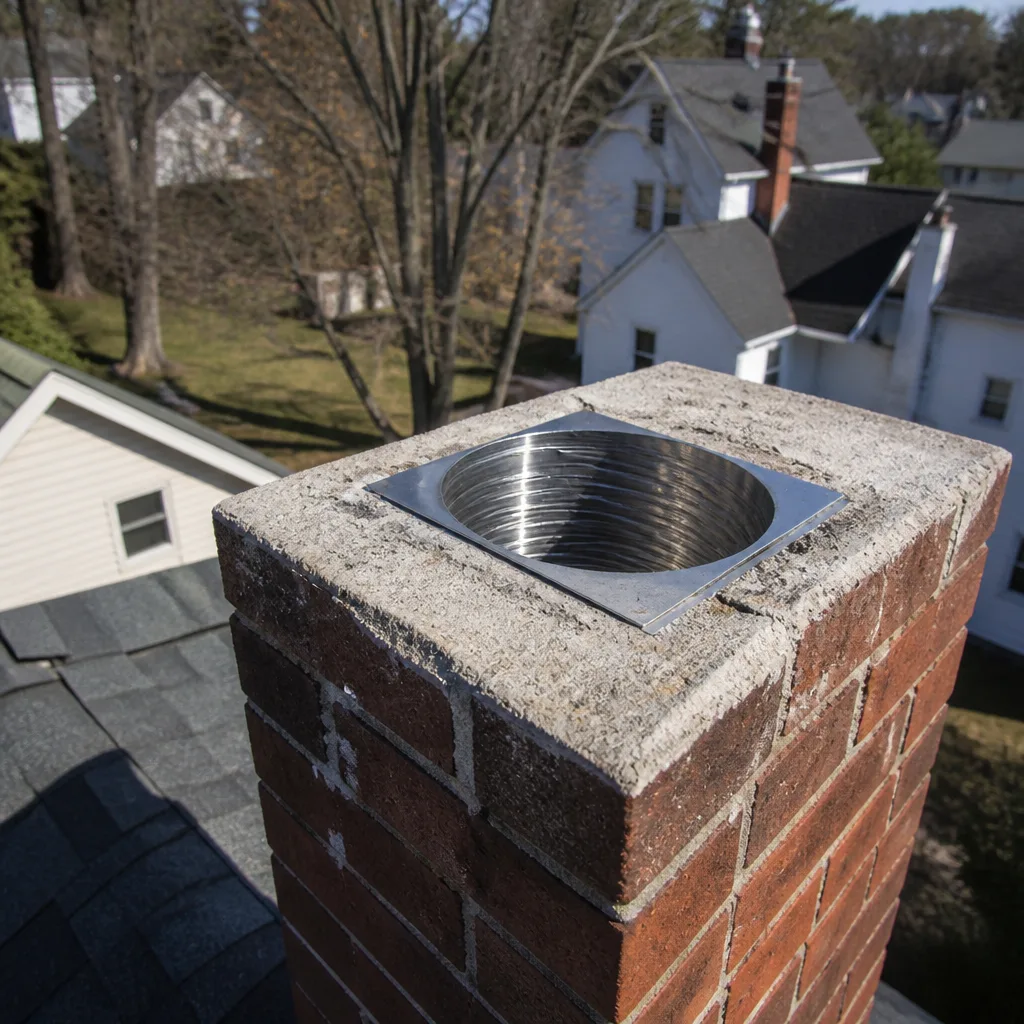 Flue relining
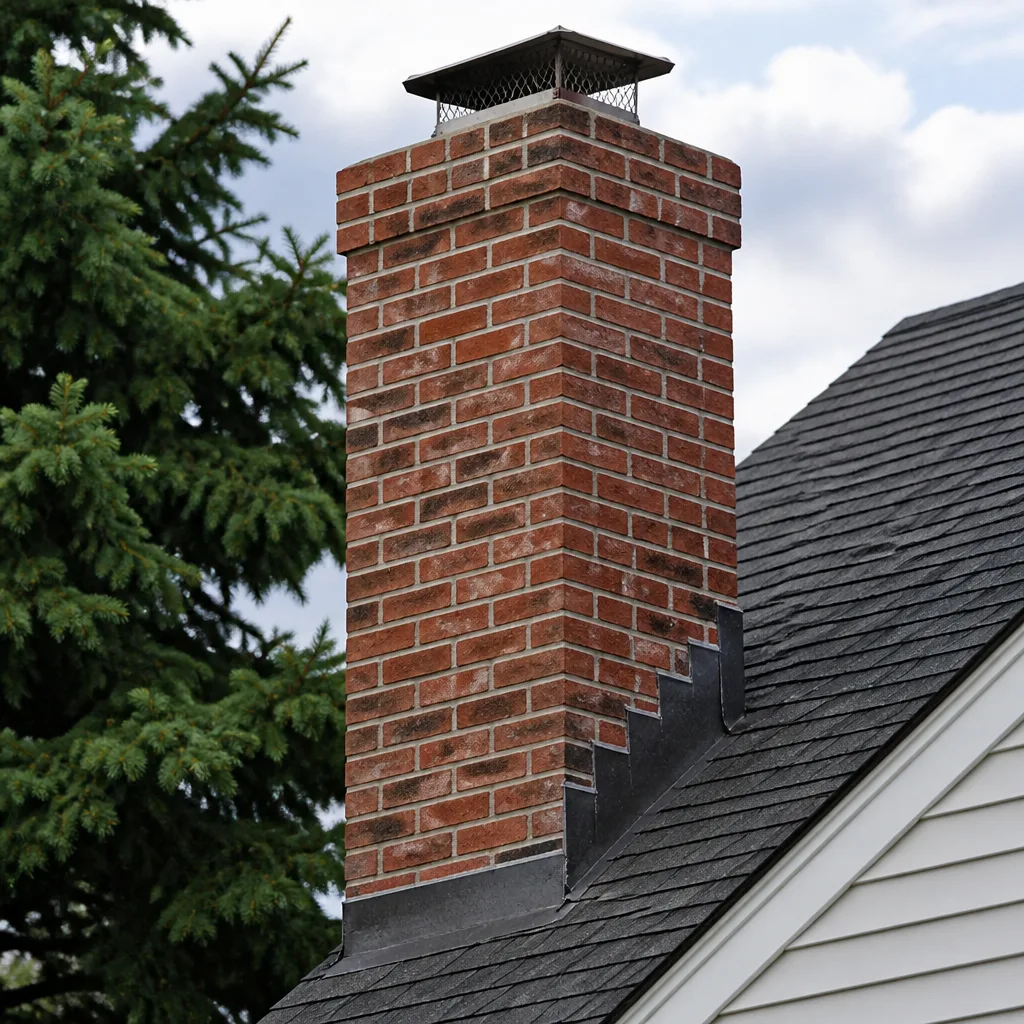 Masonry repair
 Gas fireplace service
Level 1 sweep and inspection to the NFPA 211 annual standard - flue, crown, cap, and flashing checked and photographed
Chimney sweep logs do not sweep chimneys. They loosen some creosote - which then falls where a brush and vacuum still have to collect it.
Seasonal Chimney Cleaning Care for West Roxbury: Year-Round Homeowner’s Guide
Late September, right when most West Roxbury homeowners start thinking about the first fire of the season, is the worst possible time to discover a cracked flue tile. You’re ready to light a match, the nights are getting cold, and now you’re stuck waiting on a repair you didn’t plan for. That cracked tile was almost certainly visible in June. The difference between a routine fix and a scramble comes down to timing. Chimneys in West Roxbury don’t experience one kind of wear per year – they go through four distinct stress cycles, and each one leaves clues. This guide walks through what each season actually does to your chimney, what to look for, and when to schedule work so you’re never reacting to damage you could have caught months earlier.
Quick Answer
Seasonal chimney care in West Roxbury means matching the right task to the right time of year: inspecting for freeze-thaw damage in spring, scheduling liner and crown work in summer when the schedule is open, running a full safety check before the first fall fire, and monitoring burn quality through winter as an early warning system. Annual sweeping plus a spring exterior look and a fall interior inspection covers nearly every chimney problem before it becomes expensive.
Styles & brands we work with
- Sweep & inspection
- Caps & crowns
- Flue relining
- Masonry repair
- Gas fireplace service
Table of Contents
- Why Seasonal Care Beats a Single Annual Sweep
- Spring: Catching What Winter Left Behind
- Summer: The Repair Window Most Homeowners Miss
- Fall: The Pre-Season Checklist Before Your First Fire
- Winter: Reading Your Fire in Real Time
- How West Roxbury’s Tree Canopy Changes Your Maintenance Timing
- The Full Seasonal Calendar at a Glance
- Common Mistakes to Avoid
Why Seasonal Care Beats a Single Annual Sweep
Most homeowners think of chimney maintenance as one box to tick per year. Sweep it in the fall, forget about it until next fall. That works fine right up until a slow leak turns into a rebuilt crown, or a hairline flue crack spreads into a liner replacement. Chimneys fail in slow motion, and the failure builds through the seasons rather than all at once.
A single annual event means you always find problems after they’ve already done their work. Seasonal care means you look at the chimney at the moments when the newest damage is still small and the repair window is still wide open. In West Roxbury, that seasonal rhythm is sharp. The region swings from humid summers to hard freezes, and a chimney masonry system absorbs every swing.
Here’s how the four cycles break down:
- Spring is when winter’s damage shows up – the freeze-thaw cycle opens mortar joints, and a walkaround catches it before water gets in.
- Summer is the repair window – lining, crown sealing, and structural fixes happen while the schedule is open and the weather cooperates.
- Fall is the pre-flight check – clearances, damper function, and cap integrity before you burn.
- Winter is the monitoring phase – how your fire behaves tells you whether the system is working the way it should.
The point isn’t to turn chimney care into a second job. It’s to move from reacting to preventing, so the repairs you pay for are the ones you chose, not the ones you discovered in a hurry.
Spring: Catching What Winter Left Behind
Spring is the most underrated season for chimney care in West Roxbury, and it’s the one that saves the most money. Winter is hard on chimney masonry. Water gets into the smallest cracks, freezes, expands, and widens the crack just enough to let more water in next time. Mortar joints and crowns take the brunt of it.
By the time spring arrives, the damage from that freeze-thaw cycle has happened. It’s still small. That’s the whole point of a spring inspection – to look at the exterior of the chimney after the last freeze and before the spring rains have a chance to work into any new openings.
What a spring exterior check covers:
- Crown condition. Look for cracks, spalling, or a crown that’s pulling away from the flue. A cracked crown is the single most common route for water to reach the interior of the chimney.
- Mortar joints. Joints that have receded or turned crumbly between the bricks signal moisture damage that’s still fixable with repointing.
- Flashing. The seal between the chimney and the roofline is a frequent leak point. It should be tight and intact.
- Brick faces. Look for spalling – the front face of a brick flaking or popping off. It’s a clear sign of winter water damage.
- Cap integrity. The cap should be solid, properly fitted, and free of rust or gaps.
A spring look is mostly exterior, and it’s fast. The value is in the timing: you’re catching damage at the smallest stage, before it has months of rain to work into the chimney structure. Water is the biggest single cause of long-term chimney damage, and spring is when you close the door on it. If your crown or cap is compromised, that’s the moment to talk about a chimney cap & crown repair rather than waiting to see how it looks next year.
Summer: The Repair Window Most Homeowners Miss
Summer is when chimney repairs actually should happen – and it’s exactly when most homeowners aren’t thinking about their chimney at all. That mismatch is why late-September calls turn into waiting lists. Everyone discovers their problem in the fall. The repair window was June the whole time.
Warm weather is good for repair work in a way that fall isn’t. Mortar and sealants cure properly without freeze risk, liners can be installed without weather delays, and a full job can be scheduled with the crew you want rather than the first one with an opening.
Summer is the right time for the work that needs planning, not a quick fixing:
- Liner inspection. An interior look at the flue with a camera shows you exactly what condition the clay tile is in, and you can see the evidence yourself rather than taking it on trust.
- Relining. If the flue is compromised, a flexible stainless liner – DuraFlex and Copperfield are the systems we spec most often – restores a safe, code-compliant path for smoke and gases.
- Liner restoration. HeatShield resurfacing is a restoration option for deteriorating clay tile that repairs the existing flue from the inside rather than demolishing and rebuilding. It’s a technical solution many sweep-only operators don’t offer.
- Crown sealing. A crown that’s intact but showing surface wear can be sealed in summer to buy years before any repair is needed.
We’ve seen the pattern plenty of times in West Roxbury. The homeowner who schedules a camera inspection in June gets a clear report, a scheduled fix, and a fireplace that’s ready to go in late September. The homeowner who waits gets a surprise in October. Summer is the window. Use it.
Fall: The Pre-Season Checklist Before Your First Fire
Before you light the first fire of the season, a chimney needs a basic pre-flight check. This is the inspection that confirms nothing changed since spring and that the whole system – cap, damper, flue, clearances – is ready for use.
Here’s what a pre-season check covers, step by step:
- Clear external obstructions. Nesting material from birds and squirrels, debris, and the occasional summer leaf accumulation should be cleared before any fire.
- Confirm cap integrity. The cap should be fully attached, undamaged, and clear of debris. A missing or damaged cap opens the flue to water, animals, and sparks.
- Check the damper. The damper should open freely and close fully. A damper stuck partially open is a heat loss and a draft problem.
- Check the firebox and smoke chamber. Visible cracks or missing mortar in the firebox need attention before you burn.
- Verify clearances. Check that nothing combustible has drifted near the hearth, and that the chimney’s exterior clearances to the roofline haven’t been altered by anything that changed over the summer.
- Confirm the sweep is current. If your last sweep was more than a year ago, get one before the first fire rather than after.
Firing up with a blocked flue is how carbon monoxide gets into a home. That’s not a scare tactic – it’s the reason the check exists. A professional chimney sweep and inspection before the first fire takes the question off the table entirely. If your firebox has visible cracks or damaged mortar, that’s a fireplace repair job, and it’s worth doing before the first fire rather than after smoking out the living room.
Winter: Reading Your Fire in Real Time
Winter is the monitoring season. You can’t do much repair work in a Massachusetts winter, but you can read the signals your fire is sending. A chimney that’s working properly burns predictably. When it isn’t, the warnings come early if you know what to look for.
Watch these three signals during the active season:
- Smoke behavior. Smoke that rolls back into the room, drifts into the firebox instead of up the flue, or spills over the damper when you open it usually means a draft problem. Smoke that rises cleanly and quickly is a good sign the flue is drawing properly.
- Draft consistency. The fire should draw steadily. A fire that starts well and then smokes an hour later, or that needs the damper adjusted more than usual, suggests a partial obstruction or a change in the flue.
- Odor signals. A strong creosote smell from a cold fireplace – especially on a warm day after a period of burning – is a sign of heavy creosote accumulation. A smoky smell inside the house while burning points to a draft or seal issue.
None of these mean your chimney is dangerous. They mean the system is asking for attention. The right response is to note what you saw and book an inspection when the weather breaks. Monitoring through winter gives you specifics to bring to that inspection, which makes it more useful and more accurate.
One more winter routine: keep a close eye on the exterior of the chimney from the ground. If ice is forming on the crown or flashing, or snow melts unevenly on the roof around the chimney, that’s a sign of heat escaping where it shouldn’t. Note it. Schedule the spring look.
How West Roxbury’s Tree Canopy Changes Your Maintenance Timing
West Roxbury is heavily wooded, and the mature tree canopy that makes the neighborhood what it is also changes how often a chimney needs attention. Trees near a chimney send debris onto the cap and crown year-round, but the pattern is seasonal enough to plan around.
Here’s how the tree calendar affects a chimney in West Roxbury:
- Spring pollen and seed drop. Fine pollen and seed matter collects on and around the cap and screens. It’s the lightest accumulation of the year, but it’s worth clearing with the spring check.
- Summer leaf and twig accumulation. Summer storms drop twigs and leaves that gather in the cap and around the crown edges. They trap moisture against the masonry, which is exactly the wrong thing going into a fall.
- Fall leaf load. This is the big one. The West Roxbury tree canopy dumps a heavy leaf load in late fall, and leaves that gather on the cap or against the crown hold water against the masonry through the winter freeze cycle.
- Winter ice and debris. Debris that wasn’t cleared in fall freezes into place and stays there through the winter, holding moisture against the crown.
The practical conclusion: a fall cap and crown clearing is more important here than in a neighborhood with fewer trees. And because the debris load is heavier, a cap that’s slightly loose or damaged will collect more and let more water in. If your cap is showing wear, the time to address it is before the leaf drop rather than after – which usually means late summer or early fall. A proper chimney cap & crown in good shape handles the load. A marginal one doesn’t.
The Full Seasonal Calendar at a Glance
Here’s the whole year on one page. Use it as a plan, not a rulebook – the exact timing will depend on what your chimney needs and how your schedule lines up.
- Spring (March-May): Exterior inspection for freeze-thaw damage; check crown, mortar joints, flashing, brick faces, and cap. Clear light pollen and seed accumulation. Book any repair work for summer.
- Summer (June-August): Camera inspection of the flue if not done recently. Liner work – DuraFlex or Copperfield relining, HeatShield resurfacing. Crown sealing. Structural repair. This is the window for anything that needs planning.
- Fall (September-November): Pre-season inspection. Clear debris from cap and crown. Confirm damper function. Verify clearances. Confirm the sweep is current. Schedule the sweep before the first fire.
- Winter (December-February): Monitor burn quality – smoke behavior, draft, odor. Note anything unusual. Watch exterior for ice patterns and uneven snow melt. Book spring inspection when you see an issue.
An annual sweep fits into this calendar as a fall task, and it should always include an inspection. That’s true whether you’re sweeping for the first time or you’ve been doing it for years. The sweep confirms the flue is clear; the inspection tells you what else is going on. Insist on getting both, and ask to see the camera evidence if you’re told something needs repair. If a company can’t show you the footage, you have no way to verify what they’re recommending.
One more calendar note for West Roxbury homeowners: if you’re buying or selling a home, the inspection is a separate service and it’s often requested by a buyer, seller, or insurer outside the seasonal cycle. That’s a chimney inspection done specifically for a transaction, and it can happen whenever the paperwork calls for it.
Common Mistakes to Avoid
- Treating chimney care as a single fall event. The fall sweep is essential, but it only catches what’s already accumulated. Without a spring look, you’re always finding damage after winter has already done its work.
- Waiting until the first cold snap to schedule anything. The last two weeks of September are the busiest in the chimney trade. Booking the inspection in June means you’ll have warm-weather options and a scheduled fix instead of a rushed one.
- Assuming an intact chimney exterior means an intact flue. The exterior can look perfect while the clay tile inside is cracked or spalling. Only a camera inspection can tell you.
- Accepting a “needs a rebuild” recommendation without seeing evidence. A flue that a rebuild-only contractor says is gone can often be restored with HeatShield resurfacing or relined with a flexible stainless system. Ask for the camera footage and a technical explanation of the option chosen.
- Leaving a cap off through the off-season. A missing cap is how rain, squirrels, and birds get into a clean flue between burns. The cap is the cheapest piece of the system and the most consequential to leave off.
- Ignoring creosote smell in warm weather. A cold fireplace that smells strongly of creosote is telling you the flue is carrying more buildup than a sweep can address by burning it off. Book the sweep.
- Assuming an annual sweep is optional in a wooded neighborhood. With West Roxbury’s tree canopy, debris accumulates faster and roofline conditions change more than in less-wooded areas. The annual sweep and inspection are not optional here.
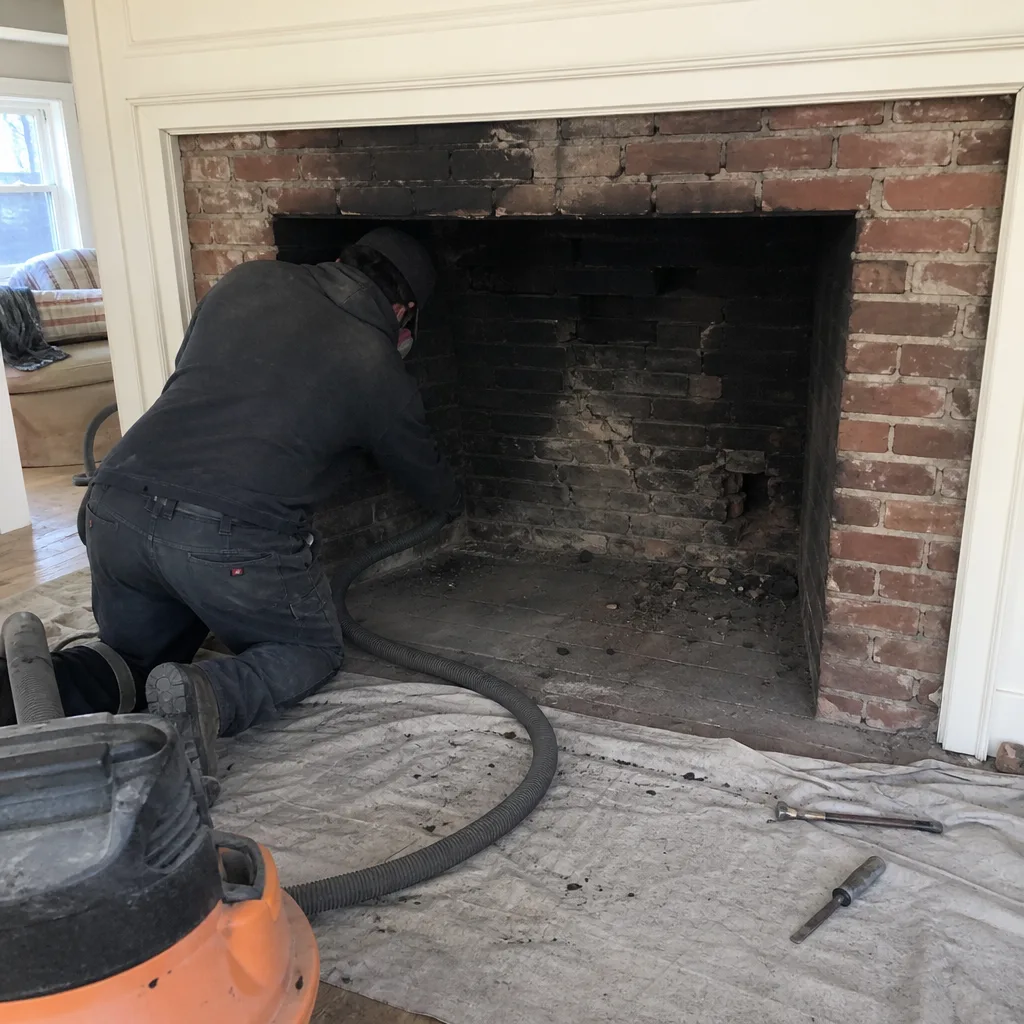
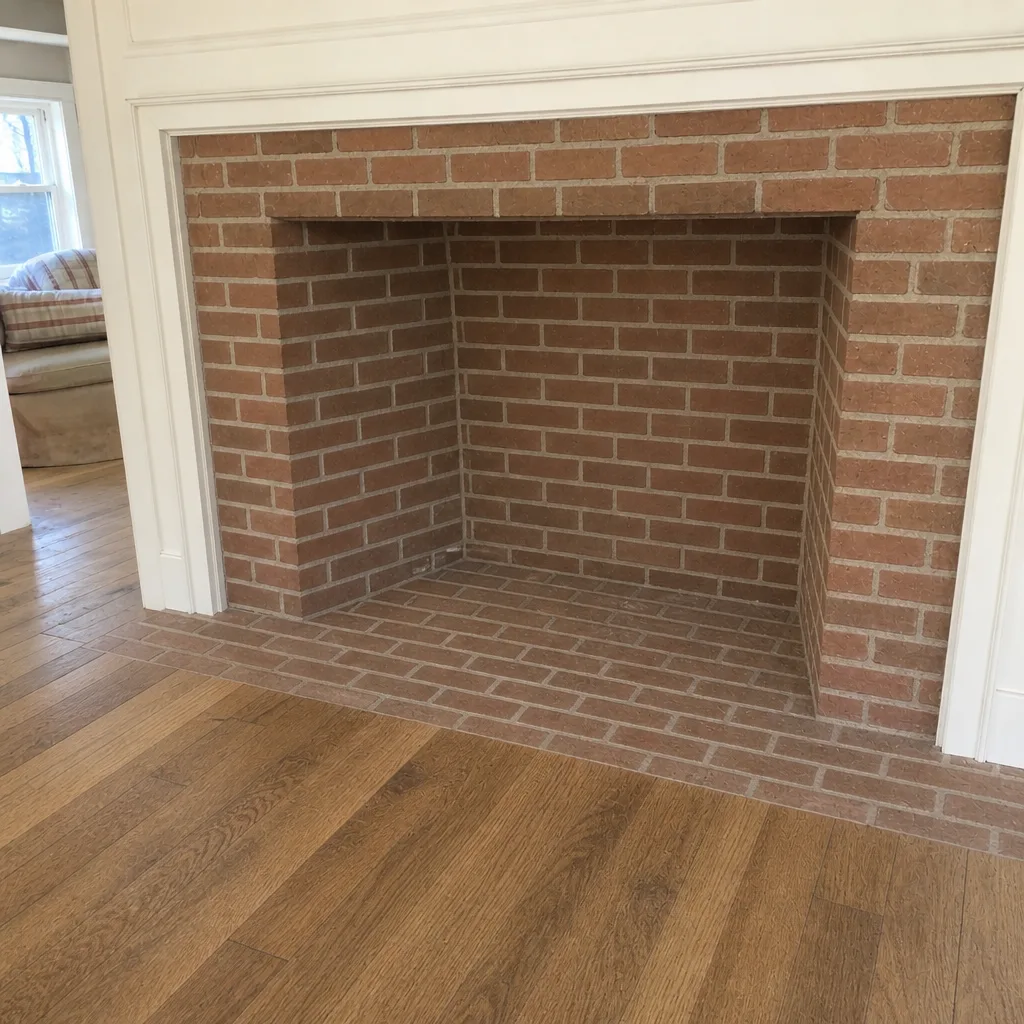
See the difference
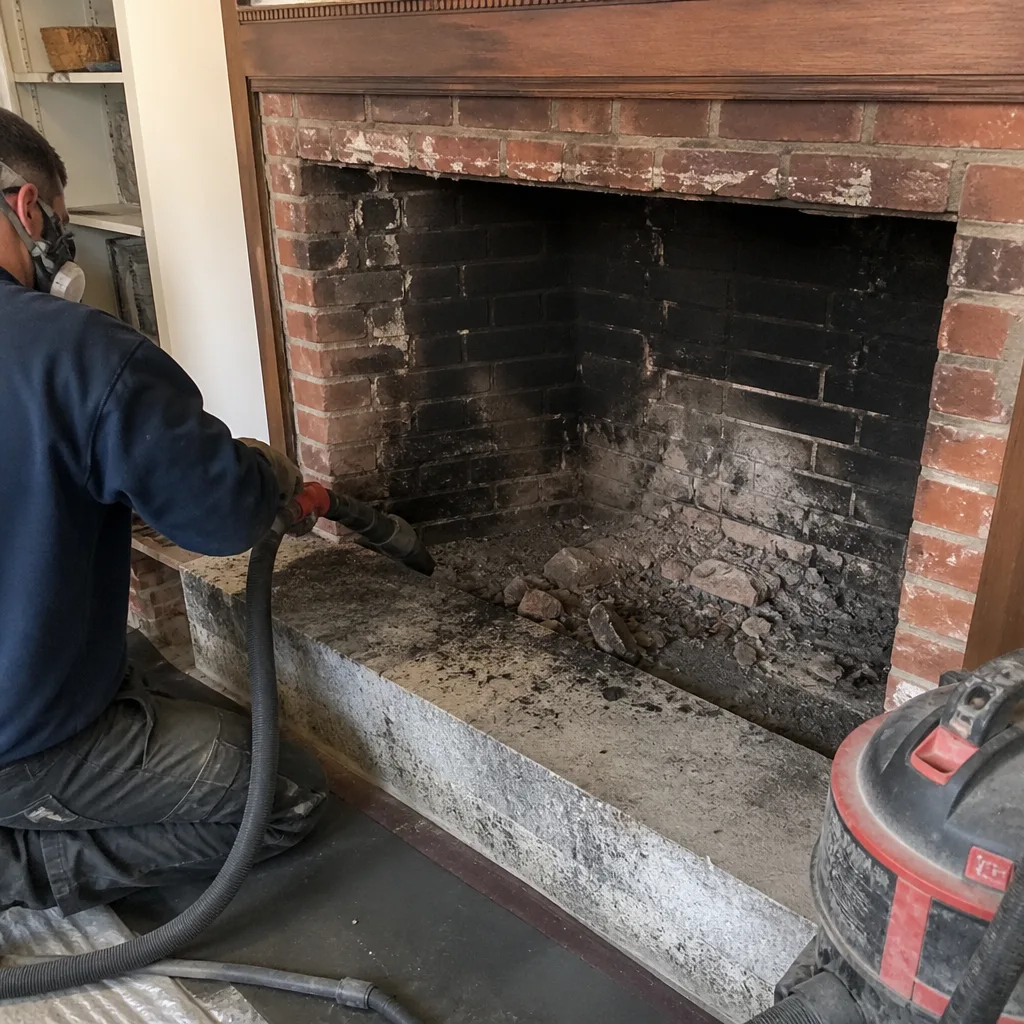 Before
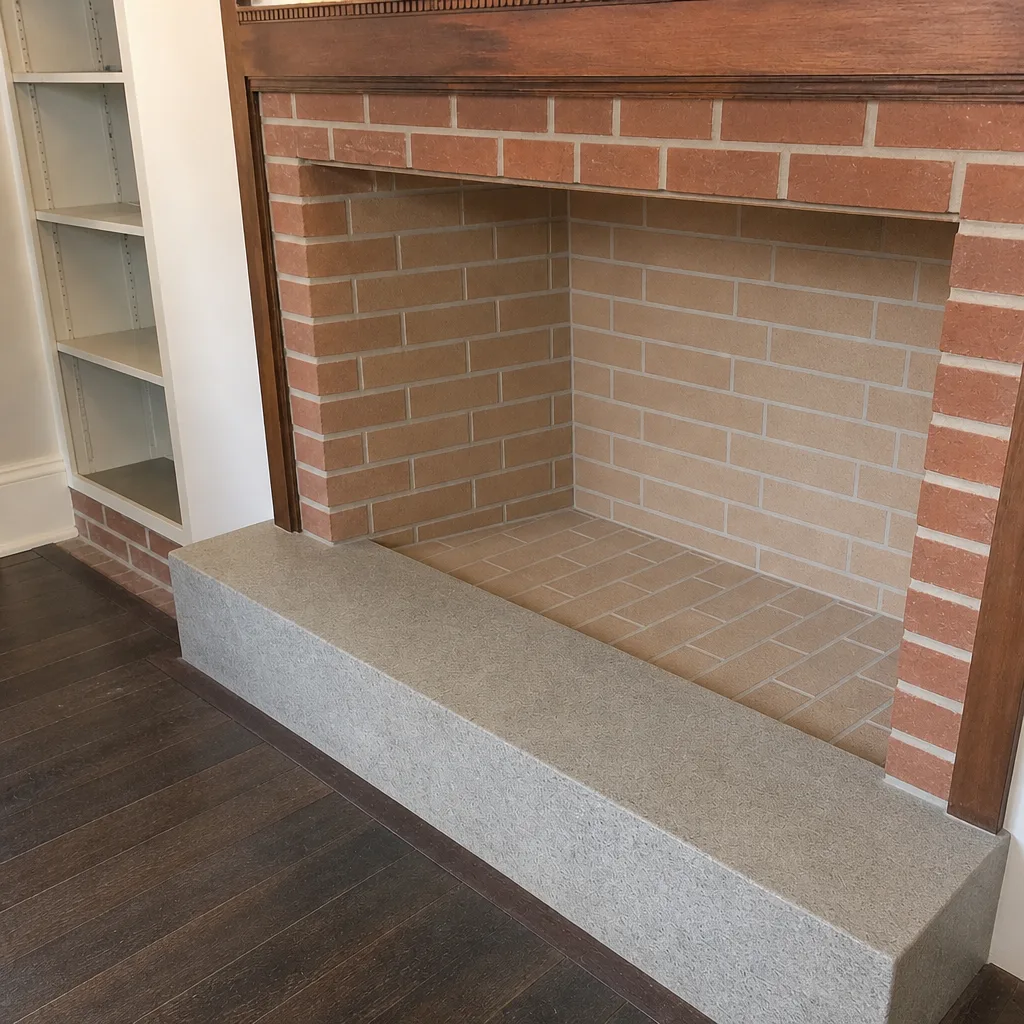 After
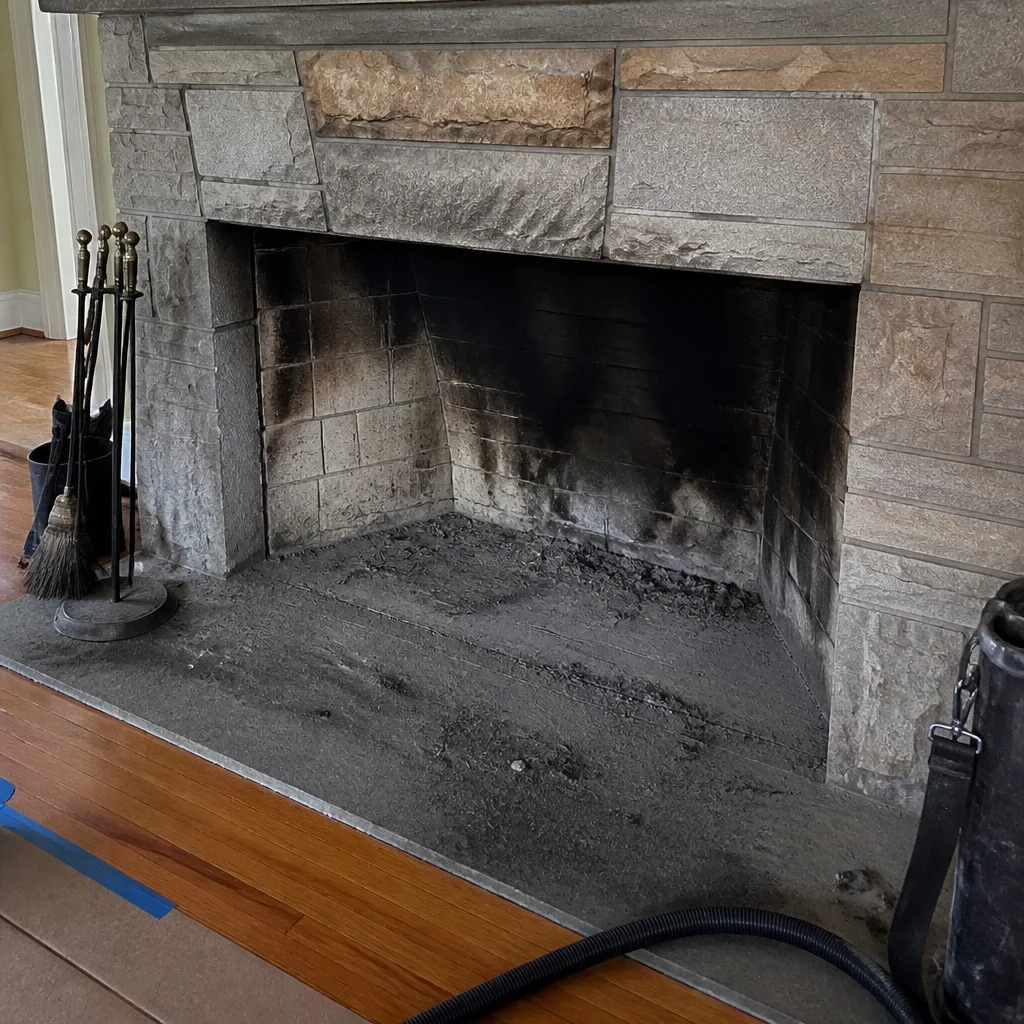 Before
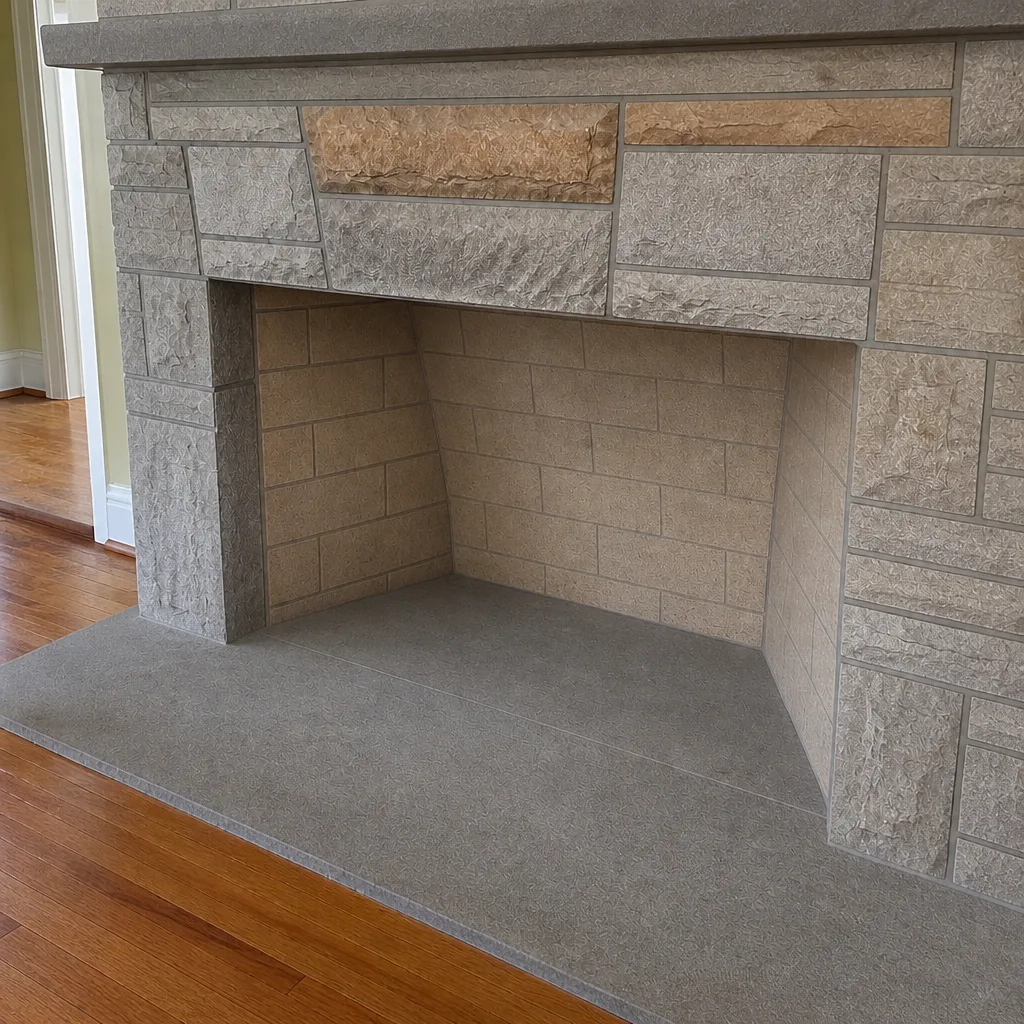 After
 Before
 After
When to Call a Professional
Some chimney work can wait for the seasonal check. Some can’t. Call a professional when any of these are true:
- You smell a strong creosote odor from a fireplace that hasn’t been burned recently, or you see creosote buildup on the flue walls.
- You see smoke rolling into the room when the damper is open, or the fire struggles to draw from the first match.
- Your flue has visible cracks in the tile or missing mortar in the firebox or smoke chamber.
- You see water stains on the ceiling near the chimney, on the chimney breast, or on the firebox interior – which usually points to a crown, cap, or flashing problem.
- You’re buying or selling a home and need a standalone chimney inspection for a lender or insurer.
- You can’t remember the last time you had a sweep, or it’s been more than a year.
Any of these deserve a professional look sooner than the next seasonal cycle. Chimney Sweep West Roxbury offers free estimates in West Roxbury. Call (833) 991-9334. We answer 24/7.
Frequently Asked Questions
Once a year is the baseline for a wood-burning fireplace, and often twice a year if you burn heavily or have a wood stove. In West Roxbury’s wooded neighborhoods, the debris load on cap and crown makes the annual sweep and inspection a firm minimum. Call (833) 991-9334 for an exact quote – estimates are free.
Creosote accumulates on the flue walls, and past a certain thickness it can ignite, which is what a chimney fire is. A restricted flue also raises the risk of smoke and carbon monoxide backing into the house. Skipping a year is a gamble; skipping several is a hazard. Call (833) 991-9334 to book a sweep – estimates are free.
A camera inspection is the only way to see the actual interior condition of the flue. A visual check from the firebox and the roof can miss cracked tile, gaps in the liner, and spalling that isn’t visible from either end. If someone tells you the flue needs repair, ask to see the camera footage. Call (833) 991-9334 to schedule an inspection – estimates are free.
Yes. Summer is when mortar and sealants cure without freeze risk, when there’s no urgency-driven competition for the schedule, and when liner, crown, and structural work can all be planned properly. The fall and late-September windows fill up fast. Call (833) 991-9334 to get on the summer schedule – estimates are free.
Often, yes. A flexible stainless liner – DuraFlex and Copperfield are the systems we spec most often – restores a code-compliant flue without demolishing the chimney. HeatShield resurfacing can repair deteriorating clay tile from the inside in cases where a rebuild would otherwise be suggested. Both depend on the condition of the existing flue, which the camera inspection confirms. Call (833) 991-9334 for an exact quote – estimates are free.
Put the fire out safely, let the chimney cool, and book an inspection. Smoke in the house points to a draft problem – a partially blocked flue, a stuck damper, a flue that’s too small for the firebox, or a cap that’s obstructed. Don’t keep burning and hope it clears. Call (833) 991-9334. We answer 24/7. A call outside dispatch hours is booked into the next opening, Sunday through Friday, 7am to 7pm.
Not always required by law, but often required by a lender, requested by a buyer, or asked for by an insurer. A standalone chimney inspection – separate from a routine sweep – gives the transaction a documented report of the system’s condition. Call (833) 991-9334 to schedule one – estimates are free.
The Bottom Line
West Roxbury’s climate puts a chimney through four stress cycles a year, and each one leaves its own clues. Spring is for finding what winter damaged. Summer is for fixing it while the schedule is open and the weather cooperates. Fall is for a pre-season check before the first fire. Winter is for reading your fire and noting what it tells you. The annual sweep and inspection sit at the center of all of it. The point is to move from reacting to preventing, so the work you do is the work you planned. Our technicians have up to 11 years of experience, and we spec the right materials for the flue, from a routine sweep to a full liner replacement.
Ready to Book Your Seasonal Check?
If you haven’t had a sweep or inspection this year, or you’ve noticed any of the warning signs we covered, the right next step is a straight conversation with a chimney specialist. We can inspect the flue, show you what we find, and give you a written estimate before any work begins. Nothing is recommended without camera evidence you can see for yourself, and if the work can safely wait, we’ll tell you. Call (833) 991-9334 for a free estimate. We answer 24/7. Fast dispatch from 7am to 7pm, Sunday through Friday.
Written by the team at Chimney Sweep West Roxbury.