
Last updated November 25, 2026
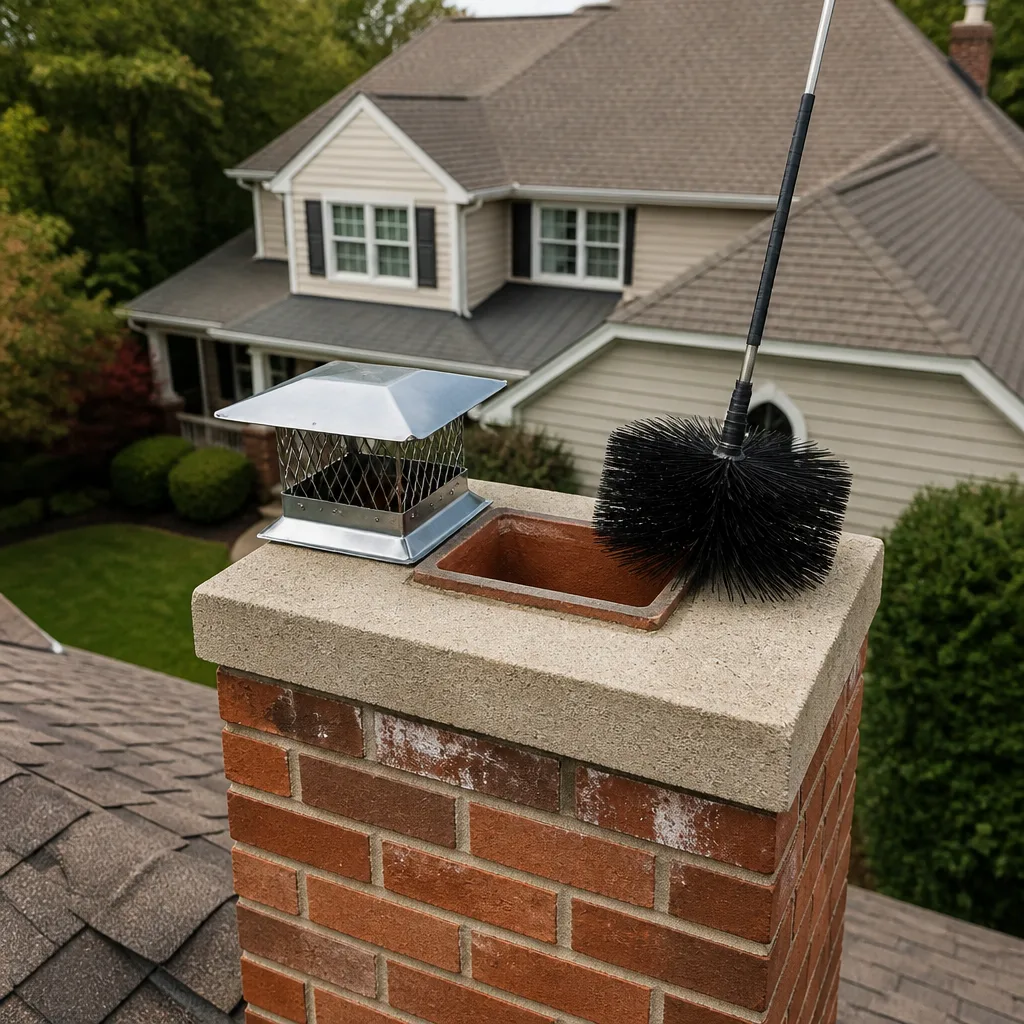 Sweep & inspection
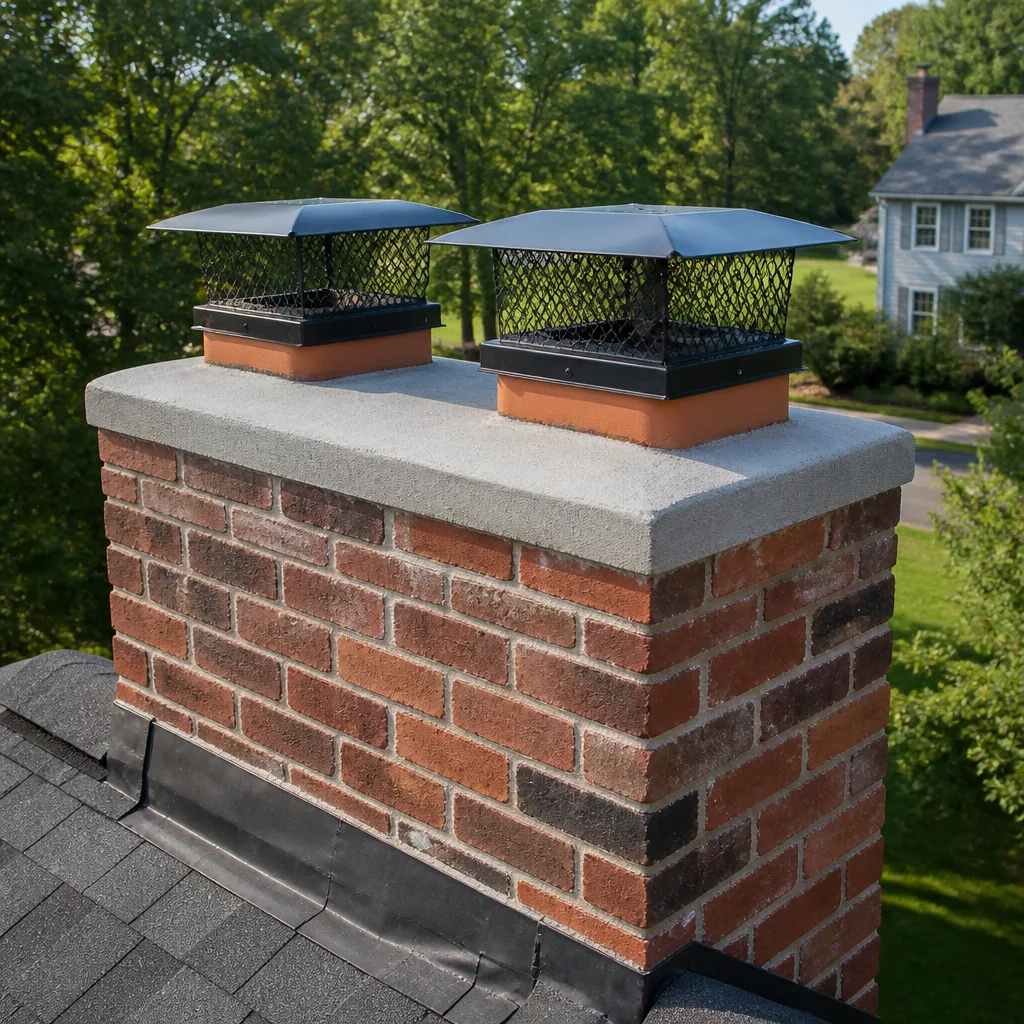 Caps & crowns
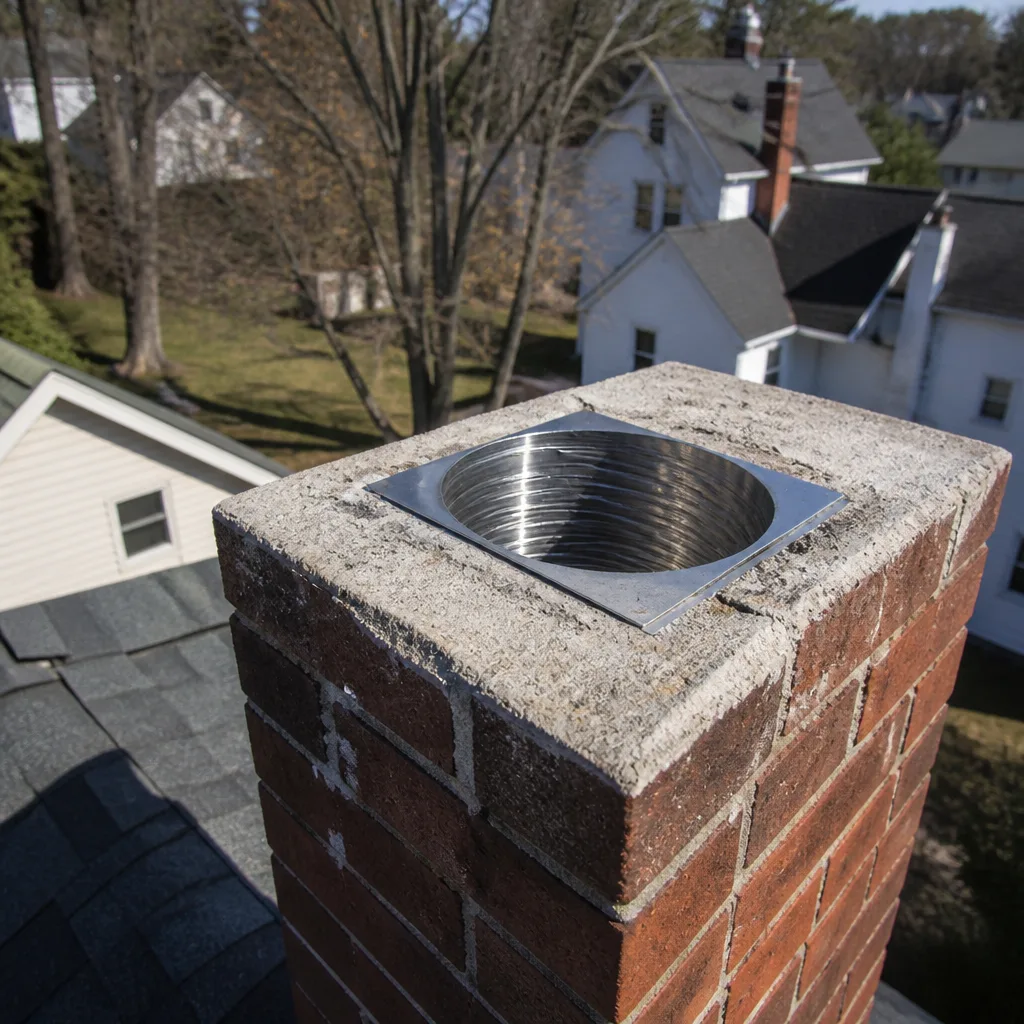 Flue relining
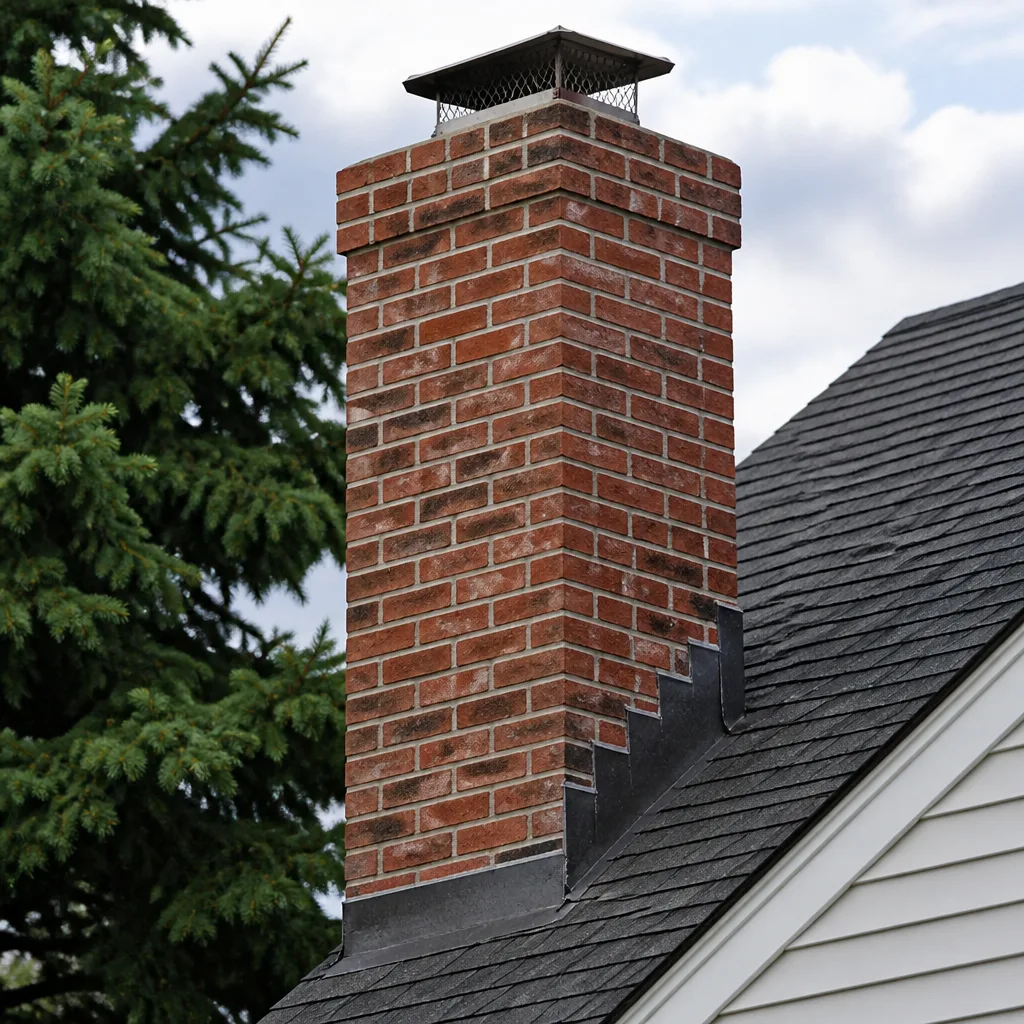 Masonry repair
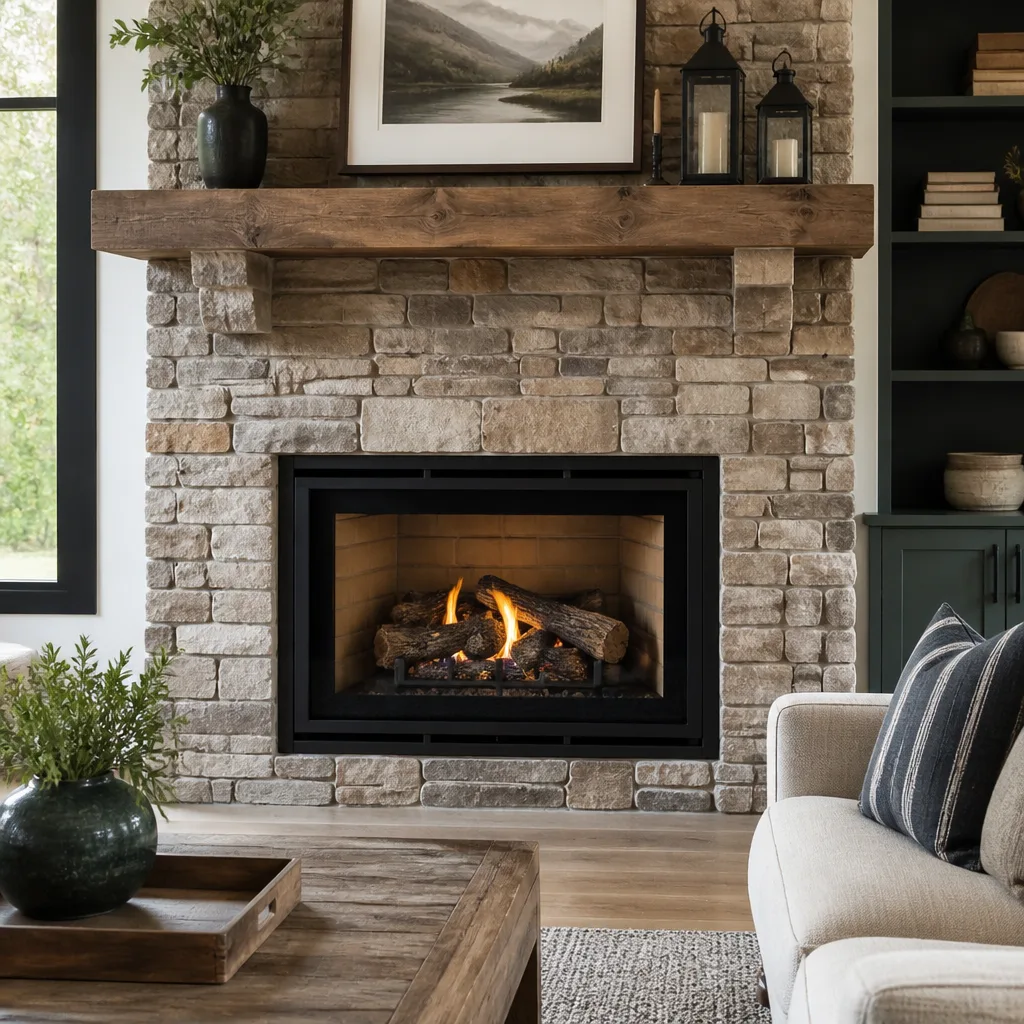 Gas fireplace service
Level 1 sweep and inspection to the NFPA 211 annual standard - flue, crown, cap, and flashing checked and photographed
Chimney sweep logs do not sweep chimneys. They loosen some creosote - which then falls where a brush and vacuum still have to collect it.
Chimney Cleaning Emergency Preparedness Guide for West Roxbury Homes
A chimney fire that roars like a jet engine in the flue is terrifying, but the creosote that fueled it built up over many ordinary fires that felt completely normal. That’s the part most West Roxbury homeowners miss: by the time you hear or smell something wrong, the conditions were set long ago. Chimney emergencies follow patterns, and those patterns come from decisions made months before anyone strikes a match. This guide walks through the three emergencies we see in West Roxbury most often, the precursor conditions behind each one, what to do in the first five minutes of a chimney fire, and how to prepare your household before the heating season starts. It’s written for people who’d rather understand their system than react to it.
Quick Answer
Chimney emergencies in West Roxbury almost always come down to three failure modes: chimney fire from accumulated creosote, carbon monoxide intrusion through a blocked or damaged flue, and sudden blockage or downdraft that pushes smoke back into the room. The single most effective preparation is a professional inspection and sweep before the first fire of the season, because creosote depth, flue damage, and venting problems are invisible from the room side of the fireplace. If you’ve already had an event, don’t light another fire until a full inspection covers the flue interior, the cap, the crown, and every appliance connection on that chimney.
Styles & brands we work with
- Sweep & inspection
- Caps & crowns
- Flue relining
- Masonry repair
- Gas fireplace service
Table of Contents
- The Three Chimney Emergencies West Roxbury Homes Face
- Precursor Conditions: What Precedes Each Emergency
- What to Do in the First Five Minutes of a Chimney Fire
- Carbon Monoxide and Your Chimney System
- The Pre-Season Emergency Kit
- Post-Emergency Protocol: Why You Can’t Use the Chimney Yet
- What a Complete Post-Emergency Inspection Covers
- Building a Prevention Schedule for West Roxbury
The Three Chimney Emergencies West Roxbury Homes Face
Most of what gets called a chimney emergency in West Roxbury falls into one of three categories, and each one has a distinct signature. Knowing them helps you recognize what you’re dealing with when something goes wrong, and it helps you understand which parts of your system need attention first.
- Chimney fire. A chimney fire can be loud and obvious or quiet and slow-burning. The loud version roars, and you may see flames or sparks at the top of the chimney. The quiet version smolders at high temperature inside the flue and can do serious structural damage without much noise.
- Carbon monoxide intrusion. CO from a blocked flue, a cracked flue liner, or backdrafting appliance venting has no smell and no color. It’s the emergency that gives no warning except a detector, which is exactly why the detector matters more than people think.
- Blockage and downdraft. Smoke rolling back into the room, soot falling, or a fire that won’t draw are signs of an obstruction: a bird nest, a collapsed flue tile, debris from a failed cap, or a pressure problem in the house pushing exhaust the wrong way.
Here in West Roxbury, the housing stock makes all three more likely in specific ways. Many homes are older, with original clay-tile flues that have been through decades of heating cycles. Those flues develop gaps at the joints and spalling on the tile faces, and a gap that lets flue gas escape into the chimney chase is a CO path. Wood-burning fireplaces that see steady winter use build creosote faster during shoulder-season burns, when a cooler flue and a smoldering fire produce more of the sticky, flammable kind.
None of that means your chimney is a hazard. It means the risk in West Roxbury is predictable, and predictable risk responds to inspection. A closer look at the Chimney Sweep West Roxbury approach to systems and maintenance explains how we think about the whole assembly rather than just the visible firebox. For the maintenance baseline itself, a standard chimney sweep and inspection before burning season is the starting point.
Precursor Conditions: What Precedes Each Emergency
If you want to prevent a chimney emergency, you don’t watch for the emergency. You watch for what comes before it. Each of the three failure modes has a set of upstream conditions that tend to be present for a long time before anything dramatic happens.
Before a chimney fire
- Visible creosote buildup. A quarter inch or more of creosote inside the flue is enough to support a fire. Hard, glazed creosote is the most dangerous form and won’t come off with a brush alone.
- Burning habits that build it faster. Green or unseasoned wood, long slow smoldering fires, and choking the air supply to make a fire last all produce more creosote than hot, bright burns with dry wood.
- No recent sweep. When a sweep is skipped for more than a heating season, the creosote layer only deepens.
Before a CO event
- Chimney used by a gas appliance. A gas water heater or furnace vented through the same chimney as a fireplace can be starved of draft and spill combustion gases into the house.
- Deteriorated flue tiles or a missing liner. Gaps at tile joints, cracked tiles, and missing sections of liner let flue gas escape outside the flue.
- Pressure problems in the house. Modern weatherization and exhaust fans compete with the chimney for air, and a tight house with strong exhaust can backdraft the flue.
Before a blockage or downdraft
- Missing or damaged cap. Without a proper chimney cap & crown, birds, squirrels, and debris get into the flue, and rain and snow get into the chimney structure.
- Crumbling mortar and flue tiles. Interior masonry that has failed can fall and lodge in the flue.
- Chimney on the wrong side of the house. A chimney on the windward side or near a taller neighboring roofline can be more prone to draft problems in certain weather.
We inspect for these conditions specifically, and we document what we find with photos so you can see the flue from the inside. That’s the diagnostic method: you shouldn’t take our word for it that you have creosote or a bad tile when you can look at the same image.
What to Do in the First Five Minutes of a Chimney Fire
If you suspect a chimney fire, the sequence matters. Get the household out and call 911 first, then do the following only if it’s safe and you can do it without putting yourself in danger. The single most important point: a chimney fire can burn at temperatures hot enough to ignite the framing around the chimney, and that damage may not be visible from the room. Treat it as structural until a professional says otherwise.
- Get everyone outside and call 911. Account for everyone in the house, including anyone upstairs or in the basement. A neighbor’s phone is fine if yours is inside.
- If the fire is still in the firebox, close the glass doors or the fire screen. This cuts the air supply to the flue and reduces the chance that burning material escapes into the room. Don’t reach in with anything, and don’t open doors once closed.
- If you have a chimney fire extinguisher or a bucket of sand near the fireplace, use it on the firebox only if the fire is contained there. Never put water on a chimney fire. Water on hot masonry or metal can cause steam and even a structural failure.
- Close the damper if it will close without effort. If it won’t move, leave it. A stuck damper can be a sign of warping, and forcing it makes things worse.
- Get away from the chimney and let the fire department handle the flue. Once they’ve confirmed the fire is out, don’t use the chimney again until it’s been inspected.
What not to do
- Don’t spray water into the flue. Thermal shock can crack tiles and warp metal liners.
- Don’t keep burning to “burn it out.” That’s what starts the fire in the first place.
- Don’t assume the fire is out because you can’t see flames. Creosote in the flue can reignite hours later.
- Don’t go back inside for belongings. Framing around the chimney may be smoldering.
The reason we include this sequence in a preparedness guide, rather than just saying “call the fire department,” is that people who’ve rehearsed it act faster and make fewer dangerous choices. We also recommend that every household member be able to state, from memory, that a chimney fire does not get water, and that the fire department comes first. Rehearse it once as a family before the first fire of the season. Ten minutes of practice is worth more than any emergency kit.
Carbon Monoxide and Your Chimney System
Carbon monoxide from a chimney system gets less attention than it deserves because people associate CO with furnaces and water heaters, not with fireplaces. But a chimney that serves both a fireplace and a gas appliance is a shared exhaust path, and that’s where the trouble starts. The gas appliance needs the same draft the fireplace uses, and in a tight, well-weatherized West Roxbury house, the competition for air can tip the balance.
How to tell a chimney-related CO risk from other sources
The honest answer is that you can’t tell from symptoms, because CO poisoning symptoms are vague and easy to mistake for other things. But you can look at the system conditions that create chimney-related CO risk:
- Multiple appliances on one flue. If a gas water heater or furnace shares a chimney with a fireplace, that’s a configuration worth inspecting closely.
- An unlined or partially lined flue. Older chimneys sometimes have no liner at all, or have sections where the clay tiles have failed.
- A flue with visible damage. Cracks, spalling, or missing mortar at the joints.
- Backdrafting. A flue that smokes into the room when the fireplace is lit, or that smells of exhaust when the furnace runs, is a venting problem, not a cosmetic one.
Why gas appliance venting gets overlooked
Most homeowners think about the fireplace when they think about their chimney. The gas appliance is out of sight in a utility closet or basement, and its vent connection is a pipe going into the chimney that nobody looks at. We inspect that connection on every inspection that involves the chimney, because the same flue that vents the fireplace is often venting the appliance, and a problem at the connection can send exhaust into the house. We work with professional-grade components from makers like Olympia Chimney and DuraFlex when a venting or liner component needs to be replaced, so the repair matches the system.
One practical step: make sure you have working CO alarms on every sleeping level, and test them before the heating season. That’s not a substitute for an inspection, but it’s the backstop for the one emergency that gives no warning.
The Pre-Season Emergency Kit
Emergency preparedness is mostly about what you put in reach before you need it. The kit is not exotic, and it’s not expensive. But it should be in the same room as the fireplace, not in the basement, and everyone in the house should know what’s there and why.
- A chimney fire extinguisher rated for chimney and flue use. Not all fire extinguishers are appropriate for a chimney, so read the label.
- A bucket of sand. For the firebox only, as a safe smothering agent if a fire gets out of the firebox.
- A flashlight with fresh batteries. For checking the firebox and the room in a power outage, and for finding the exterior of the chimney from the outside.
- A CO alarm on each sleeping level. Test them at the same time you do the pre-season sweep.
- A working smoke alarm on every level and in every sleeping area.
- Written-out emergency plan. Where the meeting point is, who calls 911, who checks on anyone who needs help getting out, and how the pets are handled.
- The phone number of your chimney professional, and this company’s line. Chimney Sweep West Roxbury answers at (833) 991-9334. We answer 24/7. Fast dispatch from 7am to 7pm, Sunday through Friday.
Walk every household member through the kit before the first fire of the season. That means showing them where the extinguisher is, how to use it, and rehearsing the fire plan once. Kids as young as six or seven can learn what “get outside and stay outside” means, and that rehearsal is what makes the plan real.
Post-Emergency Protocol: Why You Can’t Use the Chimney Yet
After any chimney emergency, whether it was a fire, a CO event, or a blockage, the chimney is out of service until a professional inspection is complete. The reason is simple: the things that make a chimney dangerous after an event are mostly invisible from the room. A chimney fire can crack flue tiles, warp a metal liner, or damage the mortar joints inside the chimney chase without a single visible sign from the firebox. Using the chimney again before inspection risks a second, worse event.
What the post-emergency period should look like
- No fire until inspection. Not a small fire, not a test fire. Wait.
- Keep the fireplace closed off if possible. If you have glass doors, keep them closed. This also stops any smell or soot from entering the room.
- Keep the CO alarms active and test them. Post-event, the CO risk is higher, not lower.
- Document what happened. Note the date and time, what you observed, and what the fire department did. Your inspector should see this.
- Contact your insurer if there was fire department response or visible damage. Repairs from a covered event may be handled differently than routine maintenance.
This is also the moment when homeowners sometimes get pitched a full flue rebuild before anyone has looked inside. Resist that. Nothing should be recommended without camera evidence you can see for yourself, and there are situations where a repair can safely wait. HeatShield liner restoration, for example, addresses deteriorating clay-tile flues without full demolition, which is a different project than a rebuild, and which one is right depends on what the camera shows. We’d rather show you the picture and let you decide than quote a rebuild from the driveway.
What a Complete Post-Emergency Inspection Covers
An inspection after a chimney emergency is not the same as a routine annual check. It has to be more thorough, and it has to cover the whole assembly, not just the flue. Here’s what a complete inspection includes, and what to ask about if you’re calling someone new.
- The firebox and damper. Visible damage to the firebox brick, mortar joints, and the damper assembly, including whether the damper still moves freely.
- The smoke chamber and smoke shelf. This is the transition area above the damper, and it’s where hidden creosote collects and where damage from a chimney fire often starts.
- The flue interior, by camera. A camera inspection of the whole flue length is the only way to see cracks, gaps, spalling, or creosote glazing inside the flue. A flashlight from the bottom misses most of it.
- The chimney cap and crown. Damage from heat, weather, or a fire event that can let water or animals in, and that affects draft.
- The exterior chimney structure. Mortar joints, the chimney chase, and any sign of heat damage or movement.
- All appliance connections on that chimney. Gas appliance venting, its connection to the flue, and whether the appliance shares the flue with the fireplace.
- A written report with photos. So you have a record for insurance, for a future sale, and for your own decision about what to repair now versus later.
If you’re buying or selling a home in West Roxbury, a standalone inspection is often what the transaction needs, and we perform inspections as a service on their own, not only bundled with a cleaning. A chimney sweep and inspection before closing is standard practice in this market.
Building a Prevention Schedule for West Roxbury
The best emergency is the one you never have. For most West Roxbury homes with a wood-burning fireplace, the schedule looks like this:
- Before the first fire of the season. Annual sweep and inspection. This is the single most valuable appointment of the year.
- Mid-season. A visual check of the firebox, the damper, and the exterior cap from the ground. If you burn heavily, a mid-season sweep may be appropriate.
- After any chimney fire, CO alarm event, or smoke-in-the-room event. A full post-emergency inspection before any further use.
- Annually if you use the fireplace infrequently. Even light use builds creosote over time, and the inspection catches problems that don’t announce themselves.
When we sweep, we inspect as part of the same appointment, and the report tells you what you have and what, if anything, needs attention. For the fireplace itself, a fireplace repair is sometimes the right fix when the firebox or damper is worn, and that’s part of the same system.
Common Mistakes to Avoid
- Burning without a pre-season sweep. The most common mistake in West Roxbury is skipping the sweep because the chimney “worked fine last year.” Creosote accumulates invisibly, and one more season of buildup is what takes a flue from manageable to dangerous.
- Ignoring a gas appliance sharing the chimney. Homeowners focus on the fireplace and forget the gas water heater or furnace connected to the same flue. That forgotten connection is where carbon monoxide risk lives.
- Using the chimney after a fire before inspection. A test fire after a chimney fire is a genuine hazard. The flue may be cracked or warped in a way that only a camera reveals.
- Putting water on a chimney fire. Thermal shock can crack tiles and warp liners, and steam from water on hot masonry can be dangerous.
- Assuming a cap is optional. A missing cap is a direct path for animals, water, and debris into the flue, and it’s one of the cheapest prevention items on the whole system.
- Letting weatherization outrun the chimney. A tighter house is a better house, but tighter houses can starve the chimney for makeup air. If you’ve had windows replaced or insulation added, have the chimney checked for draft.
- Skipping the CO alarm test. The one emergency that gives no warning deserves the one alarm test that takes thirty seconds.
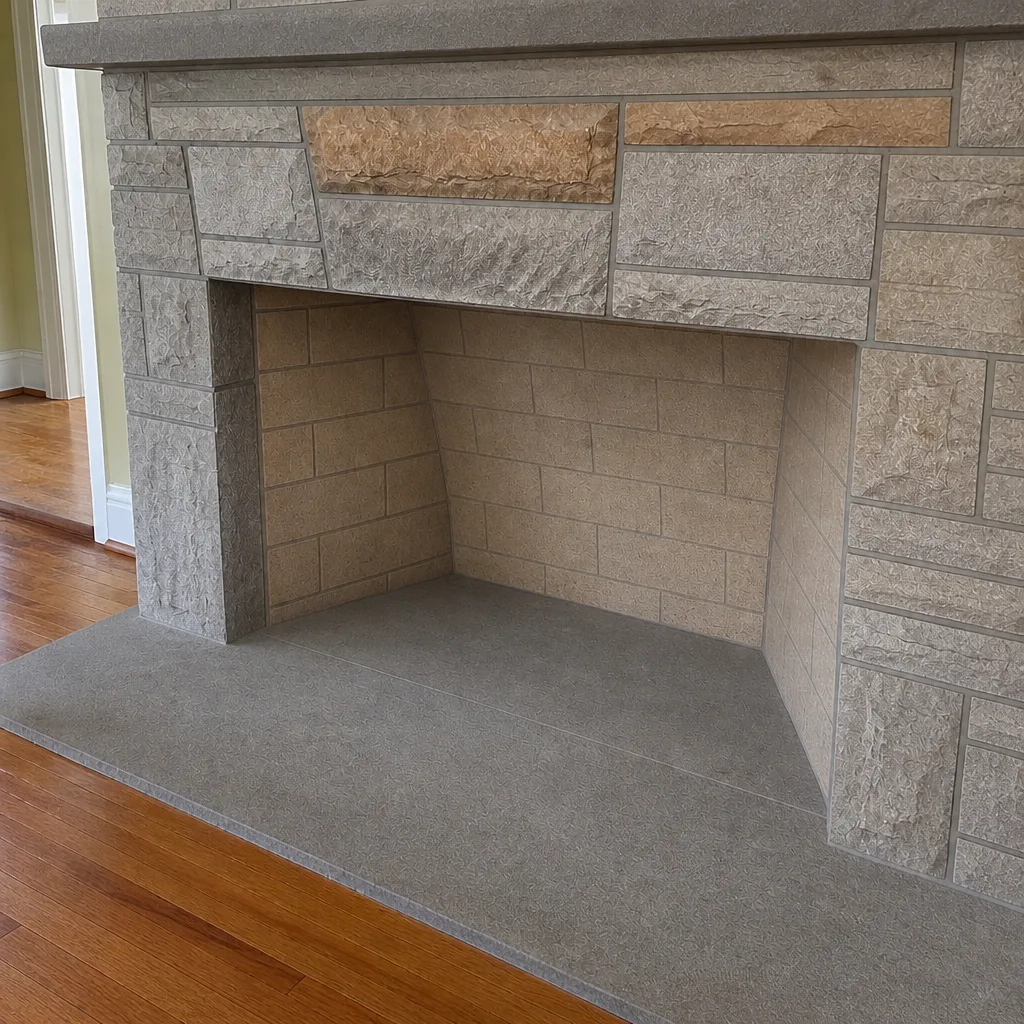
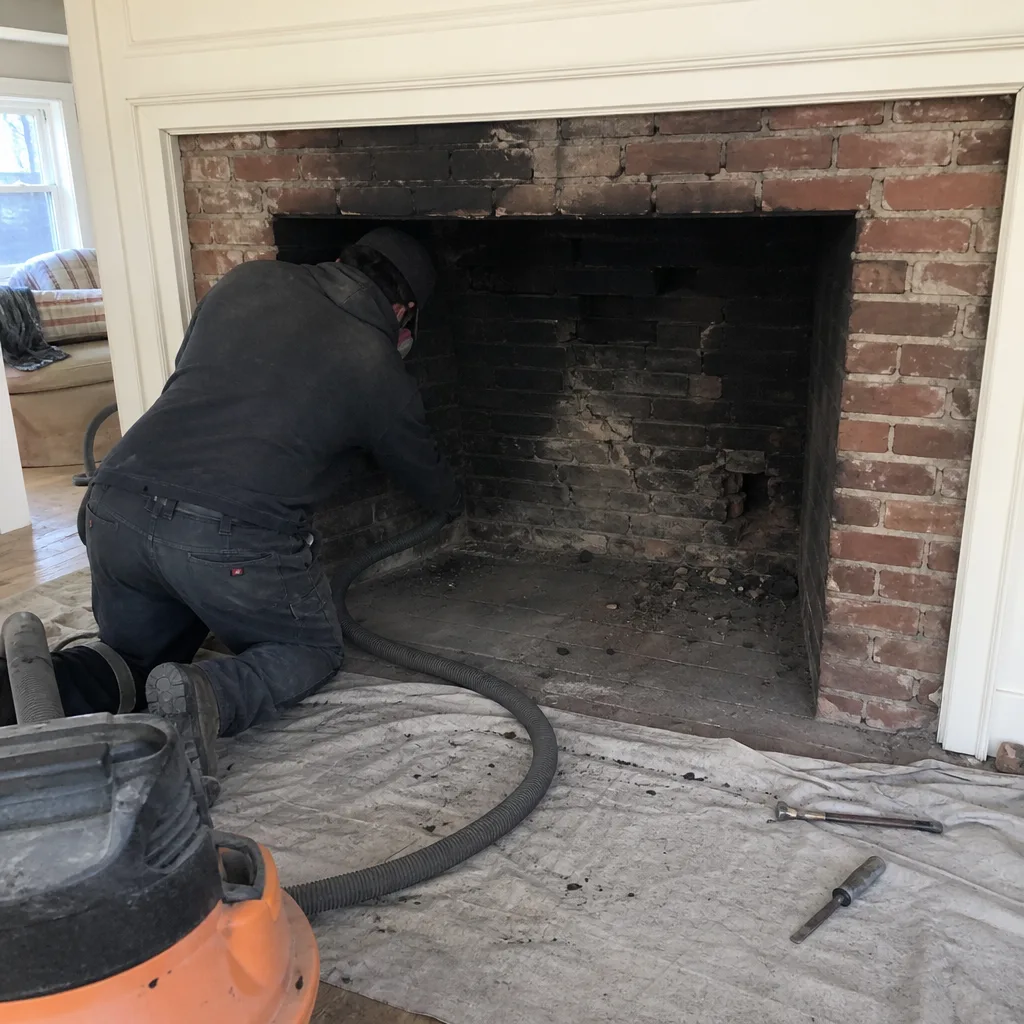
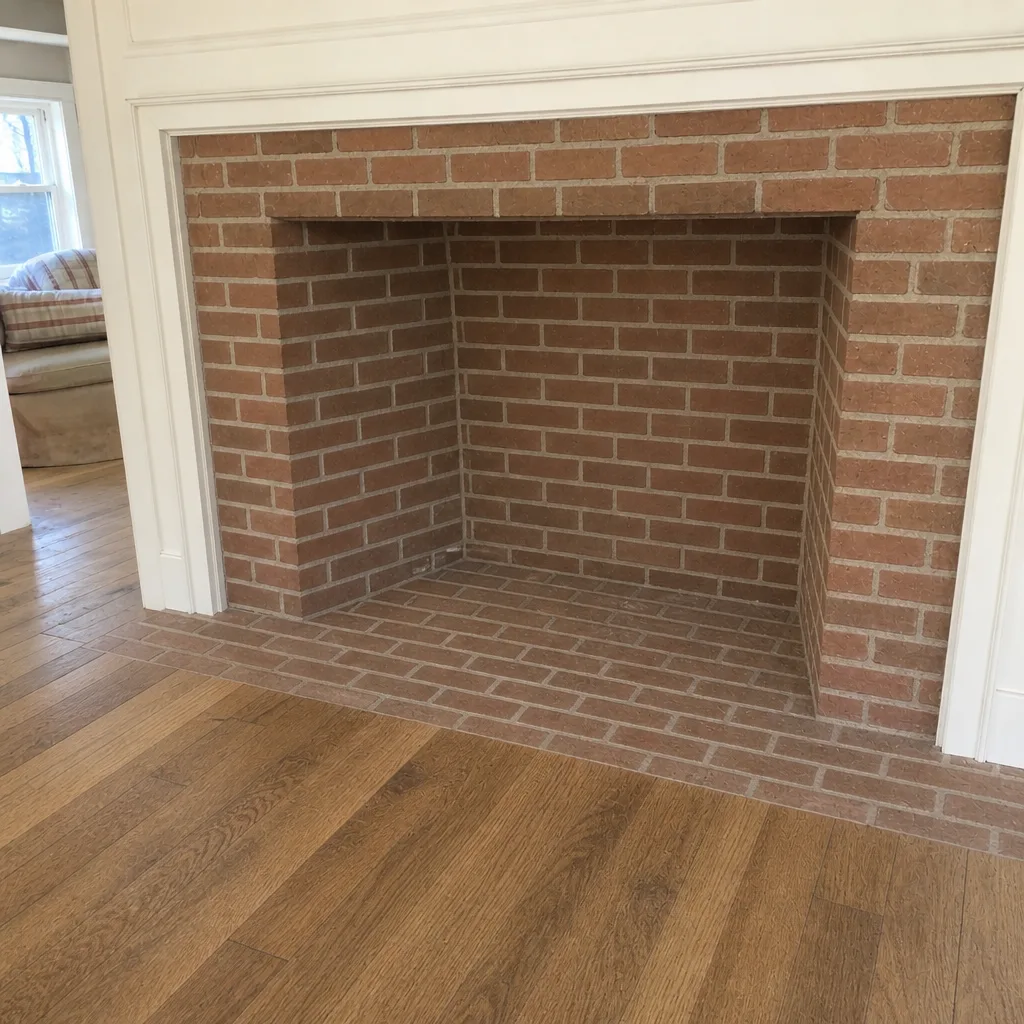
See the difference
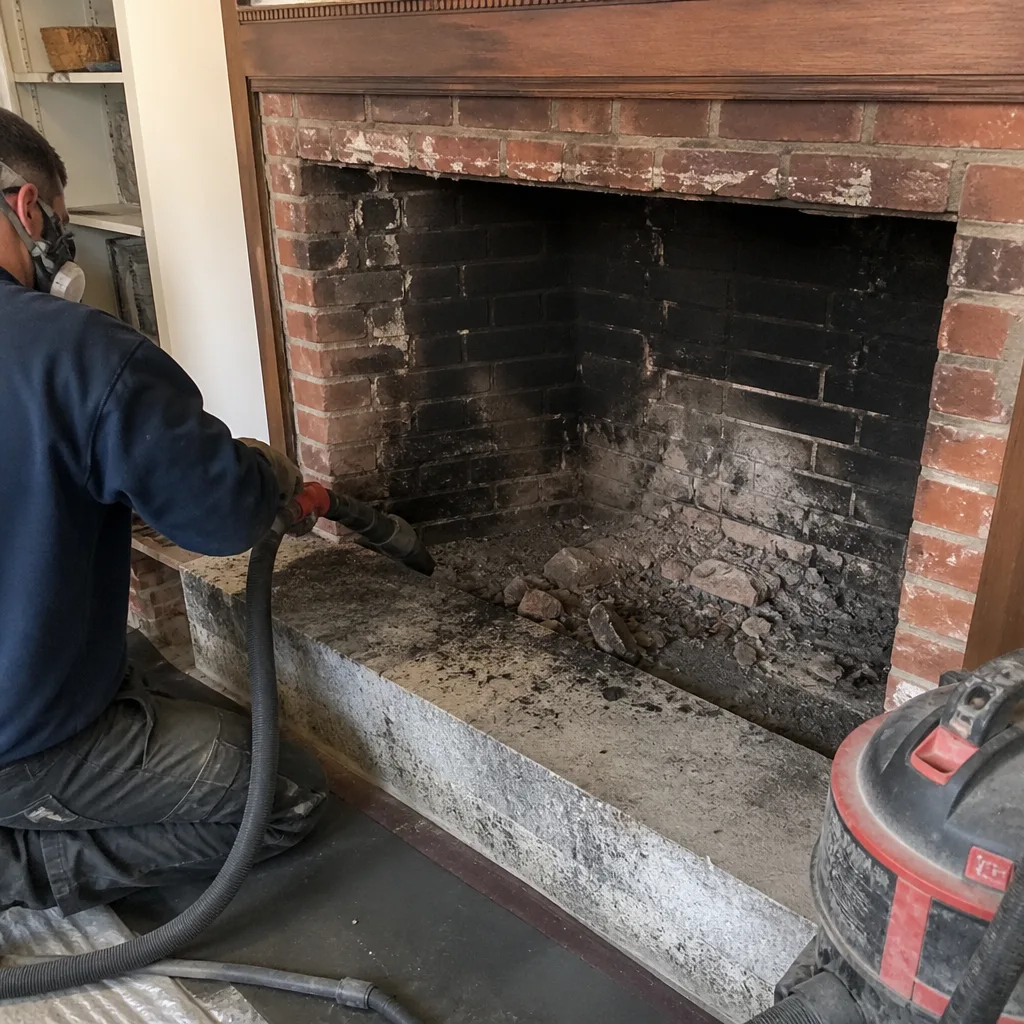 Before
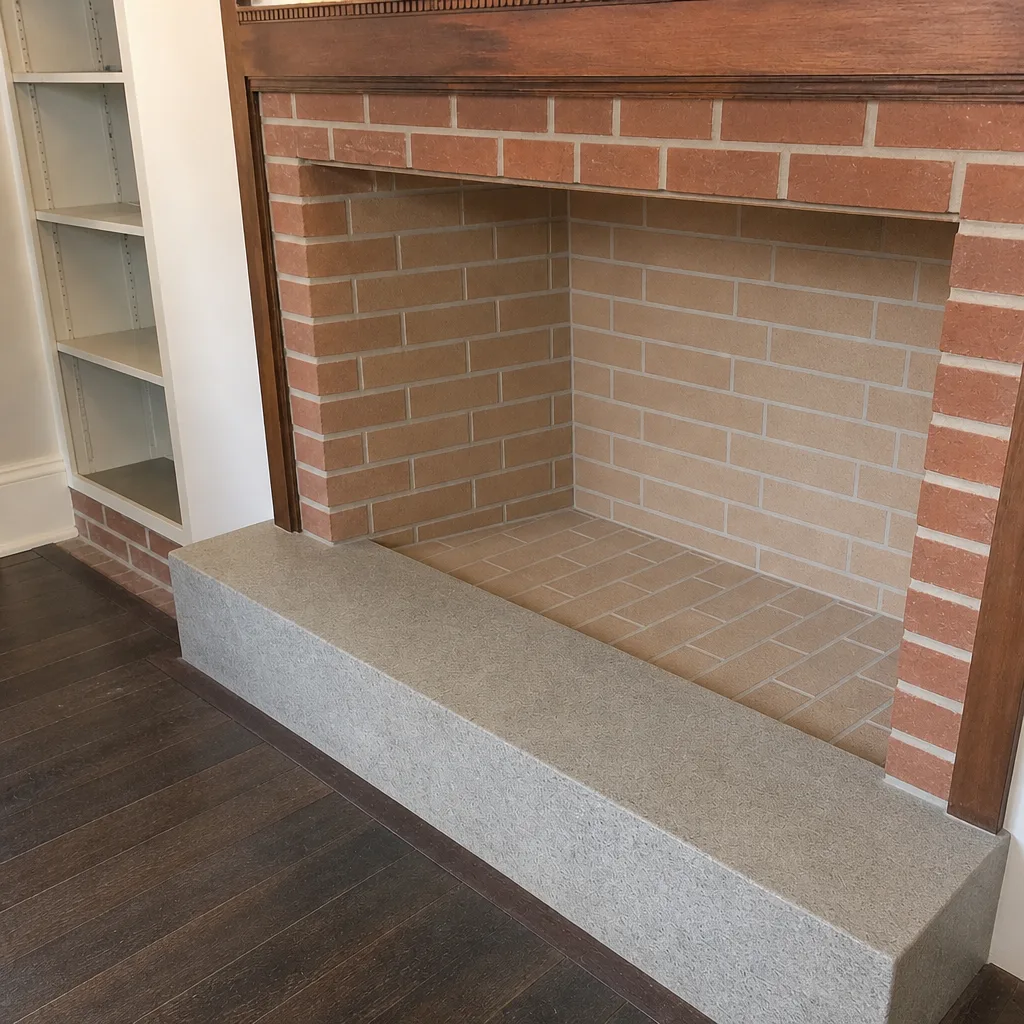 After
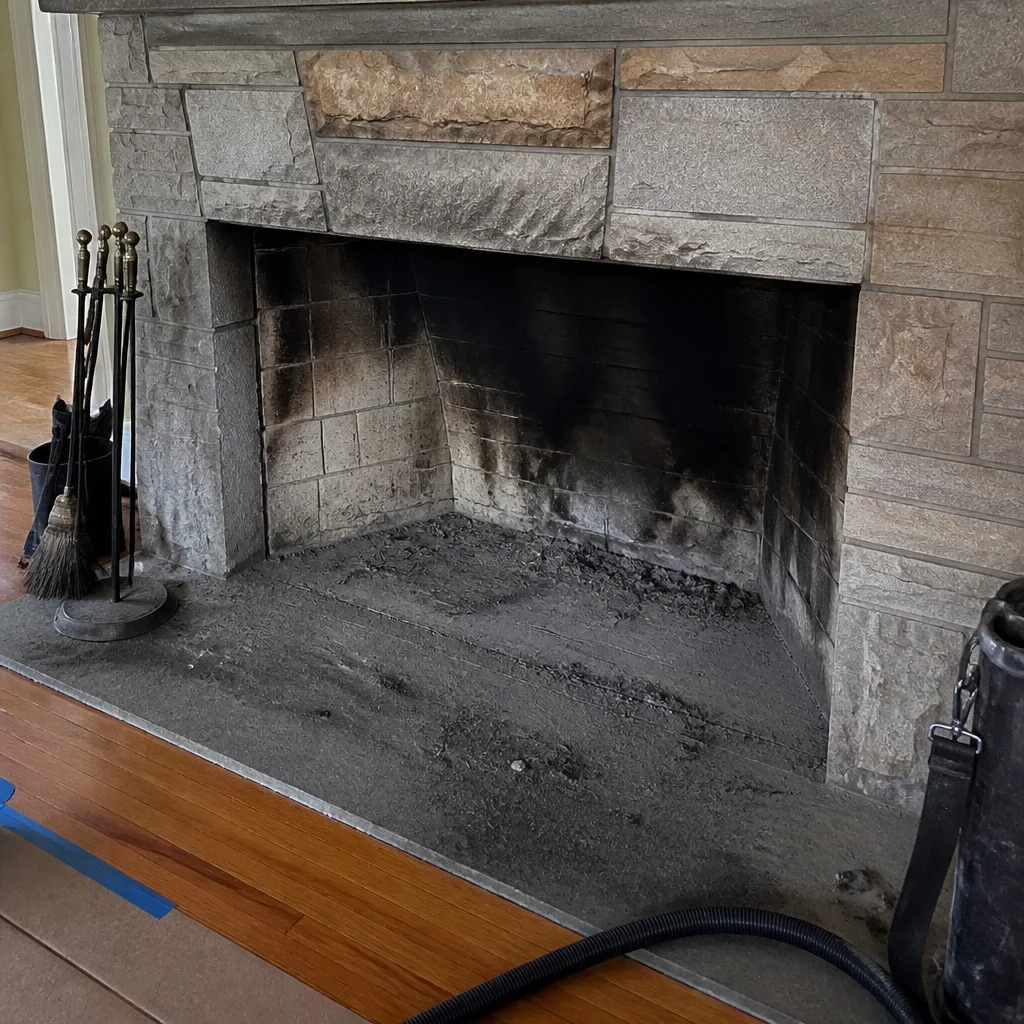 Before
 After
 Before
 After
When to Call a Professional
Call us if you’ve had a chimney fire or a fire department response, if your CO alarm has gone off and you can’t rule out the chimney, if smoke rolls into the room when the fireplace is lit, or if you see soot falling or smell creosote in the house. Call us before the first fire of the season if you haven’t had a sweep, if you’ve noticed the fireplace working differently than last year, or if you’re buying or selling a home in West Roxbury and need a standalone inspection with a written report. Chimney Sweep West Roxbury offers free estimates in West Roxbury. Call (833) 991-9334. We answer 24/7. Fast dispatch from 7am to 7pm, Sunday through Friday.
Frequently Asked Questions
Once a year, before the first fire of the season, for most homes with a wood-burning fireplace. If you burn heavily or burn unseasoned wood, or if you’ve had a chimney fire in the past, a mid-season sweep may be needed. Annual inspection is the real minimum; sweeping and inspection together are the standard.
Get everyone out of the house and call 911 first. Then, if it’s safe, close the glass doors or fire screen on the firebox and close the damper if it moves without force. Do not put water on the fire. Don’t use the chimney again until a professional inspects it. Call us at (833) 991-9334 for the post-emergency inspection, and estimates are free.
Yes, if the chimney also vents a gas appliance like a water heater or furnace, or if the flue is damaged and lets flue gas escape. The fireplace itself is usually less of a CO risk than the shared flue and the appliance connection. That’s why a complete inspection covers every appliance on the chimney, not just the fireplace.
No, not until a professional inspection is complete. The fire department confirms the fire is out; they don’t assess whether the flue lining survived. A camera inspection is the only way to see cracks, warped liners, or damaged mortar inside the flue. Don’t light a test fire until then.
A chimney-rated fire extinguisher, a bucket of sand, a flashlight with fresh batteries, working CO and smoke alarms, a written emergency plan, and our phone number. The most important part of the kit is the rehearsal: every household member should know where it is and what to do. We answer at (833) 991-9334.
Cleaning removes creosote buildup; repair addresses damage to the flue, cap, crown, or firebox. The only way to know which you need is an inspection with a camera and a photo report. We don’t recommend repair work without showing you the images first, and we’ll tell you plainly when a repair can safely wait. Call (833) 991-9334 for an estimate.
The Bottom Line
Chimney emergencies in West Roxbury follow predictable patterns, and the upstream decisions you make before the heating season determine your risk. Annual sweep and inspection before the first fire, a complete inspection of the gas appliance connection on any shared chimney, a working CO alarm on every level, a rehearsed plan for the first five minutes of a fire, and a post-event rule of no fire until inspection are the whole program. Nothing exotic, nothing expensive, nothing that requires you to become a chimney expert. If you want a professional to look at the whole system and tell you honestly what it needs, call Chimney Sweep West Roxbury at (833) 991-9334. We answer 24/7. Fast dispatch from 7am to 7pm, Sunday through Friday. Estimates are free.
Written by the team at Chimney Sweep West Roxbury.