
Last updated November 25, 2026
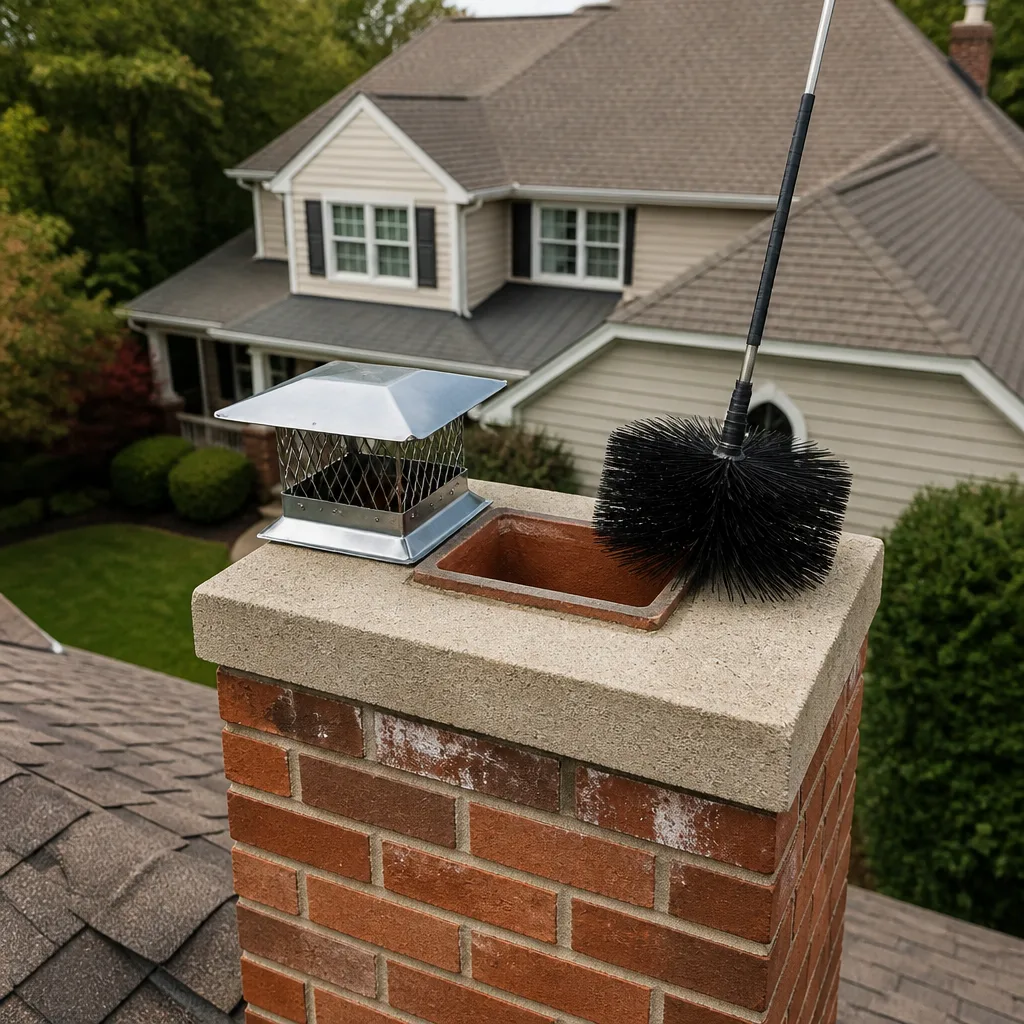 Sweep & inspection
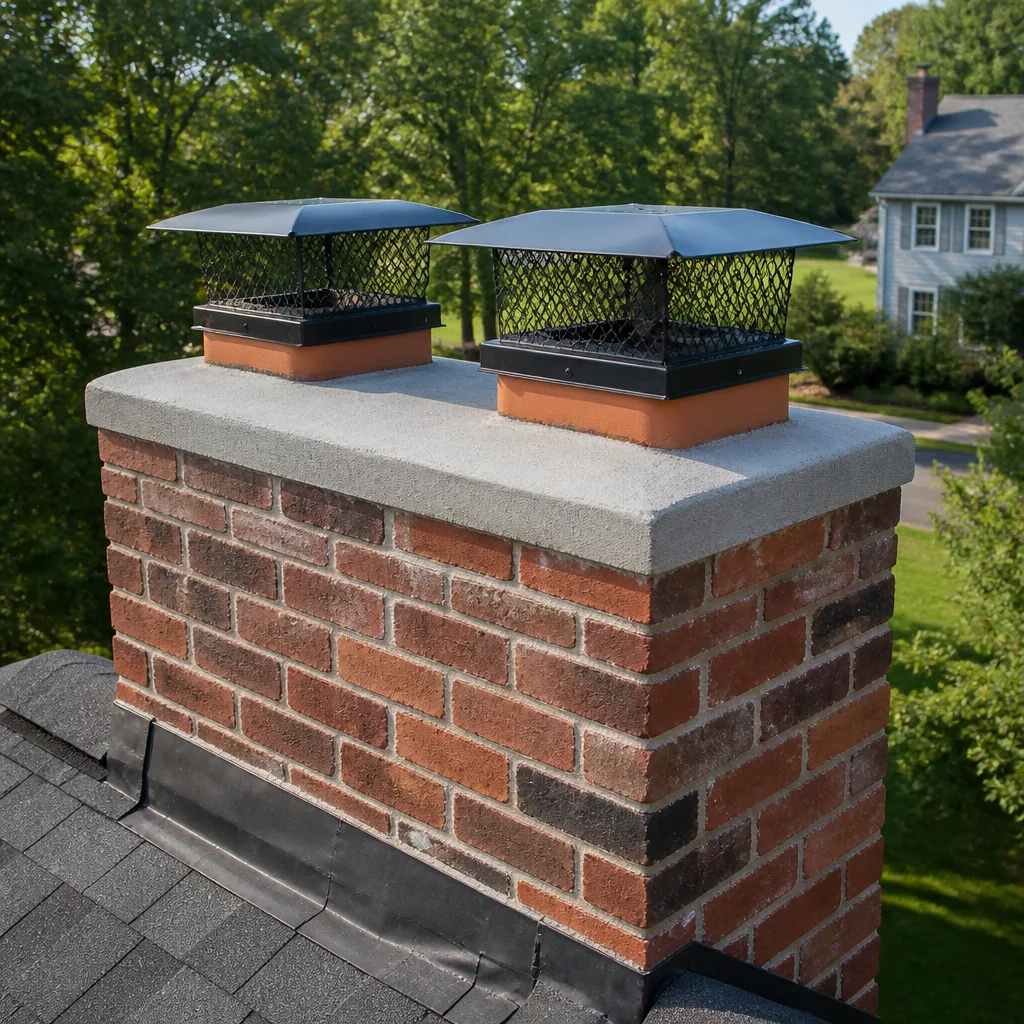 Caps & crowns
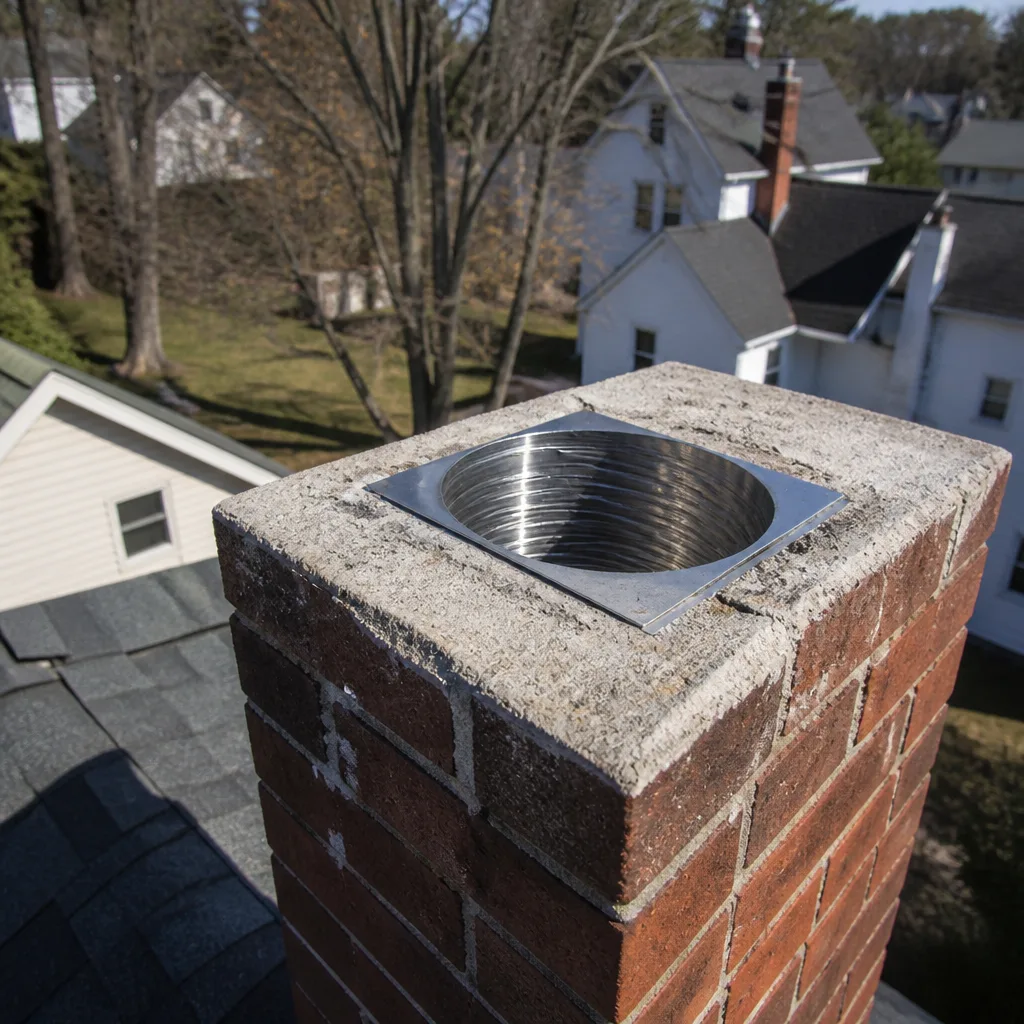 Flue relining
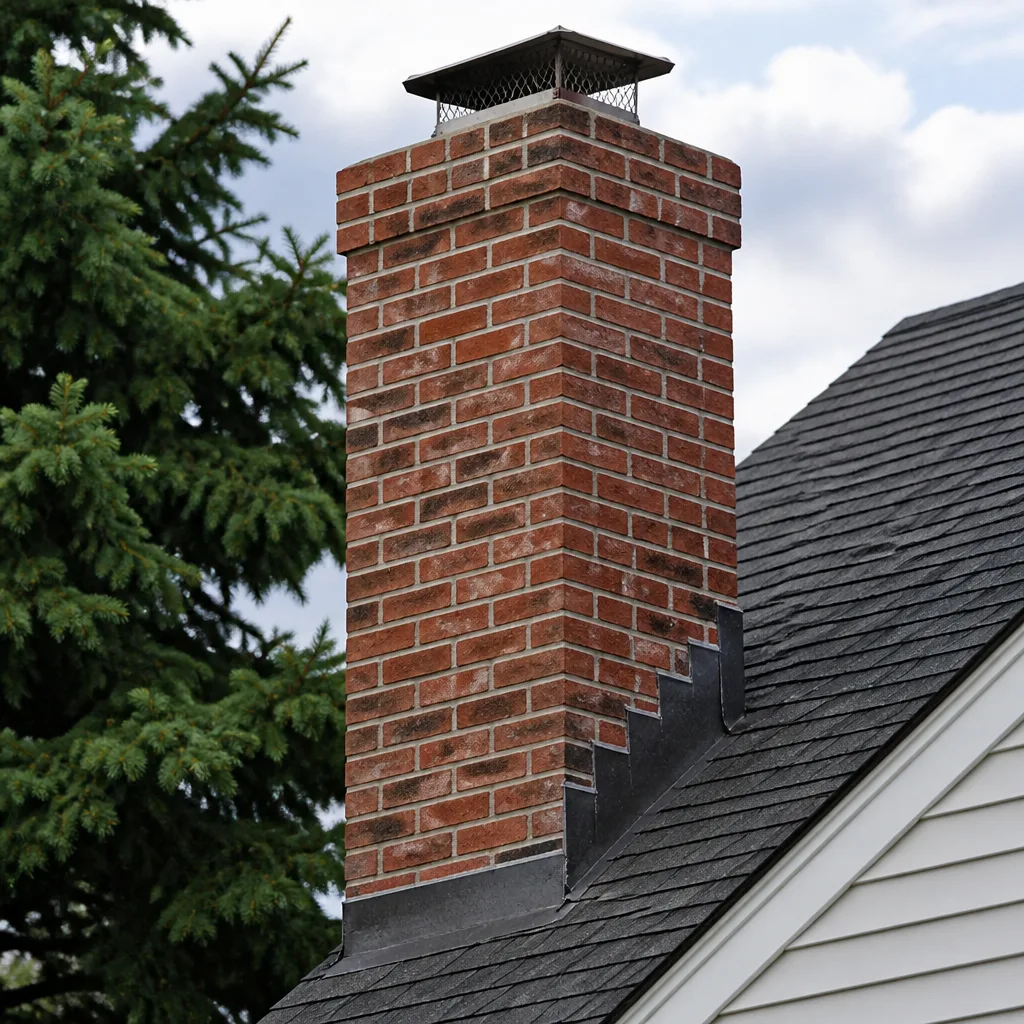 Masonry repair
 Gas fireplace service
Level 1 sweep and inspection to the NFPA 211 annual standard - flue, crown, cap, and flashing checked and photographed
Chimney sweep logs do not sweep chimneys. They loosen some creosote - which then falls where a brush and vacuum still have to collect it.
Chimney Cleaning Permits, Codes & Inspections in West Roxbury, MA: What You Need to Know
Most homeowners assume a chimney sweep is the chimney project. A sweep is maintenance, and it usually needs no permit. The moment the work moves from cleaning to repair, a different set of rules takes over. Massachusetts code and Boston’s local enforcement don’t treat a relining job the same way they treat a brush and a vacuum, and that gap is where problems start. A reline done without the right permit can void your homeowner’s insurance if a fire starts in that flue. This guide maps where the line sits in West Roxbury, what Boston’s Inspectional Services Department actually oversees, how NFPA 211 sets the baseline inspectors reference, and the questions to ask before anyone touches your chimney.
Quick Answer
In West Roxbury and across Massachusetts, routine chimney sweeping and a standard inspection are maintenance work and do not require a building permit. Repairs that alter the chimney’s structure or its flue lining do require one under the Massachusetts State Building Code (780 CMR), and Boston’s Inspectional Services Department oversees permitting and inspection for West Roxbury properties. NFPA 211 is the standard local inspectors reference when they evaluate liner and firebox work.
Styles & brands we work with
- Sweep & inspection
- Caps & crowns
- Flue relining
- Masonry repair
- Gas fireplace service
Table of Contents
- Where the Permit Line Sits in Massachusetts
- What Counts as Maintenance and Stays Permit-Free
- How Boston’s Inspectional Services Department Applies in West Roxbury
- NFPA 211: The Standard Inspectors Actually Reference
- What to Ask a Contractor Before Repair Work Begins
- How to Verify Permit Status After the Work Is Done
- The Inspections West Roxbury Homeowners Actually Need
- West Roxbury Housing and Weather: Why This Matters Here
Where the Permit Line Sits in Massachusetts
The line between maintenance and construction is not about how big the job feels. It’s about whether the work changes the chimney as a structure or the flue as a system. A sweep removes creosote from a flue that already exists. A reline replaces or restores the flue itself. Those are different categories under the Massachusetts State Building Code, and they carry different obligations.
Here’s how we explain it to homeowners in West Roxbury. If the work is about what’s inside the flue and nothing about the flue changes, you’re in maintenance territory. If the flue lining is being replaced, resurfaced as a structural system, or the chimney’s exterior or crown is being rebuilt, you’re in construction territory. That’s when a permit enters the picture.
This matters because the permit isn’t paperwork for its own sake. It’s the record that the work was done to code by someone accountable for it. When a flue fire happens years later and an insurance adjuster asks whether the liner met code at installation, a permit and inspection record answers that question. Without one, the claim can be contested regardless of how good the work was.
A few categories to keep straight:
- Cleaning and sweeping: maintenance, no permit.
- Level 1 inspection: maintenance, no permit.
- Crown and cap replacement: generally construction work; confirm with the building department.
- Flue relining with a listed liner system: construction work; a permit is typically required.
- Firebox or firebrick rebuild that changes the firebox: construction work; a permit is typically required.
- Structural chimney repair to the exterior stack: construction work; a permit is typically required.
We won’t tell you the exact permit threshold for your project without seeing it. That’s the honest answer. What we can tell you is what to ask, and who to ask it of. Start with Boston’s Inspectional Services Department for West Roxbury. They’re the authority on what a specific job needs.
What Counts as Maintenance and Stays Permit-Free
A standard annual sweep on a wood-burning fireplace or stove in West Roxbury does not trigger a permit. Neither does a Level 1 inspection. Those are the core of what a chimney service company does, and they’re deliberately left outside the permitting system because they don’t change the chimney.
Here’s what belongs in the maintenance category:
- Sweeping a flue to remove creosote, soot, and debris.
- Removing blockages like bird nests or leaf litter from the flue.
- A Level 1 visual inspection of readily accessible portions of the chimney.
- Cleaning the firebox of ash and debris.
- Checking and adjusting a damper that only needs adjustment.
- Replacing a chimney cap that’s damaged or missing, in many cases, though this can cross into construction depending on scope.
The reason this category exists is practical. If every sweep required a permit and an inspection, few homeowners would call anyone, and the creosote would keep building. Maintenance being permit-free is what makes annual service realistic.
But don’t treat “no permit” as “no standard.” Even a sweep should be done to a professional standard. That means proper containment, a camera check when it’s warranted, and an honest written evaluation of what we found. A sweep that ends with “all good” and no detail isn’t worth much. A sweep that ends with a clear picture of your flue’s condition is.
If a company tells you a routine chimney sweep requires a permit, that’s a flag. It suggests either a misunderstanding of the code or an attempt to bill you for something the work doesn’t need. Ask them to point to the specific requirement.
How Boston’s Inspectional Services Department Applies in West Roxbury
West Roxbury is a Boston neighborhood, which means building permits and inspections run through the city’s Inspectional Services Department, commonly called ISD. This is a genuinely important detail. A homeowner in a surrounding suburb deals with a different building department and a different set of local practices. In West Roxbury, ISD is the authority.
What ISD oversees in practice comes down to two things for chimney work: the permit itself and the inspection that follows. When a permit is pulled for chimney repair or relining, the work is subject to inspection at defined points. The inspector’s job is to confirm the installation meets the code and the manufacturer’s listing.
That last part matters more than most homeowners realize. A listed liner system has installation requirements specific to the product. An inspector checking that work is looking for whether the installer followed them. This is one reason materials knowledge is not a nice-to-have. We specify liner systems from brands like HeatShield and Olympia Chimney, in part because a listed, documented product is what an inspector can actually verify.
A few practical points for West Roxbury homeowners:
- Ask ISD directly. Before booking any repair, call Boston’s Inspectional Services Department and describe the job. Their answer is the one that matters.
- Ask whether it’s a repair or a replacement. A homeowner’s own description of the work can be vague. “Fixing the liner” might be a resurfacing or a full replacement, and those can carry different requirements.
- Get the permit number in writing. If a permit is required, whoever pulls it should be able to give you the number.
- Understand who pulls it. The permit is typically pulled by the contractor doing the work, and that contractor is accountable for the inspection.
We don’t claim to be the final word on what ISD requires for your specific job. What we can do is work with the permitting process openly and tell you what we’re doing.
NFPA 211: The Standard Inspectors Actually Reference
NFPA 211 is the standard for chimneys, fireplaces, vents, and solid fuel-burning appliances, and it’s the baseline that Massachusetts inspectors and chimney professionals reference when they evaluate work. It’s not a local ordinance. It’s a national standard that the code and the inspection process lean on, especially for liner and firebox work.
NFPA 211 defines the three inspection levels most homeowners encounter:
- Level 1: a visual inspection of readily accessible portions of the chimney and connected appliance. Appropriate for annual service when nothing has changed.
- Level 2: a more thorough inspection that includes accessible portions of the chimney’s interior, often with a camera. Required when there’s a change in fuel type, a change in appliance, a chimney fire, or a real estate transaction.
- Level 3: a diagnostic inspection that may involve opening concealed portions of the chimney to investigate a specific problem. Rare, and reserved for when the lower levels can’t answer the question.
What this means for liner and firebox work: an inspector evaluating a reline is thinking in NFPA 211 terms about whether the liner is appropriately sized, listed for the application, and installed according to its listing. For a firebox, the standard addresses clearances and materials that keep heat where it belongs. If a contractor can’t speak to NFPA 211, that’s a signal they’re operating on habit rather than standard.
In our experience, this is where the gap between a specialist and a generalist shows up. A handyman who occasionally does chimney work may install a liner that seems fine and passes a visual check, but doesn’t match what the listing calls for. That mismatch surfaces later, when an inspector or an insurance adjuster looks closely. We’d rather the work get done to the standard the first time.
What to Ask a Contractor Before Repair Work Begins
The single most useful question before chimney repair in West Roxbury is whether they’re pulling a permit, and who’s responsible if they don’t. Ask it plainly, before the work is scheduled, and get the answer in writing.
Here are the questions worth asking, in the order that saves the most trouble:
- Does this job require a permit, and are you pulling it? A clear, direct answer is a green flag. Hesitation or “you don’t need one for this” without explanation is not.
- Who holds the permit? It’s typically the contractor performing the work. That contractor is also the one accountable for the inspection.
- What product are you installing, and is it listed for this application? A professional can name the system and explain why it fits your flue. We work with brands like DuraFlex, Olympia Chimney, and Copperfield for exactly this reason: a documented, listed product is what can be verified.
- Will there be an inspection, and what does it cover? Ask what gets checked and when.
- What happens if the inspection finds a problem? The contractor who pulled the permit should be the one to correct it.
- Can you give me a written scope and a written estimate? The estimate should be flat-price for the agreed scope, so you’re not facing change orders later.
- What’s the payment structure? No surprises. A written estimate should answer this before you sign anything.
One more that homeowners rarely think to ask: What are you responsible for after the job is done? If a contractor pulls a permit and the work fails inspection, they should be the one who makes it right. Get that in writing too.
The pattern here is simple. A contractor who is comfortable with permits and inspections answers these questions without friction. A contractor who isn’t will steer the conversation toward “it’s fine, we do this all the time.” That’s the moment to slow down.
How to Verify Permit Status After the Work Is Done
Permit status is verifiable, and you should verify it after the work is complete. This is the step most homeowners skip, and it’s the one that protects you most when you sell the home or file an insurance claim.
Here’s how verification works in practice:
- Ask for the permit number in writing. It should match what the contractor told you before the work began.
- Confirm the permit with Boston’s Inspectional Services Department. ISD can confirm the permit and, importantly, whether the inspection was completed and passed.
- Keep the inspection record. The passed inspection is the document that proves the work met code. Store it with your home records alongside your other major improvement documents.
- Confirm the scope matches. The permit should describe the work that was actually done. A permit for a crown repair doesn’t cover a reline.
Why bother? Two concrete reasons. First, when you sell a West Roxbury home, a buyer’s inspector will look at the chimney and may ask for the permit record for recent work. An unpermitted reline can complicate or slow a sale. Second, if a fire originates in a flue that was relined without a permit, an insurer can raise questions about whether the work met code, which affects the claim.
We’ve seen this problem before, and the fix is straightforward. Keep the paperwork. A permit and a passed inspection are the closest thing to a paper trail that your chimney work was done right. If you’ve had work done and don’t know the permit status, call Boston’s ISD and ask. They can tell you.
The Inspections West Roxbury Homeowners Actually Need
Inspection is not a single thing. What a West Roxbury homeowner needs depends on why the inspection is happening. Understanding NFPA 211 levels makes the difference between getting a substantive inspection and getting a checkbox.
An annual Level 1 inspection accompanies a routine sweep. It’s a visual check of accessible portions. This is the right level for most homes with no recent change. If you want a chimney inspection that actually tells you something, order it as its own service rather than a quick glance at the end of a cleaning. A proper chimney inspection in West Roxbury includes a camera check of the flue and a written report with photos, so you can see what we see and understand what needs attention.
A Level 2 inspection is triggered by specific situations:
- A real estate transaction, where a buyer’s inspector will often ask for one.
- An insurance requirement, when a carrier wants documentation of the flue’s condition.
- A change in appliance or fuel type.
- A chimney fire, even one that seemed to put itself out.
- A significant event like a lightning strike or a chimney’s collapse.
A Level 3 inspection is diagnostic. It’s used when a problem can’t be identified from accessible portions. It may involve opening a wall or a concealed portion of the chimney, which is a real cost, and it’s reserved for real problems.
For West Roxbury homes, the practical question is often simpler: which level do you need *now*? A chimney that’s swept and inspected annually with a camera check rarely surprises anyone. A chimney that hasn’t been looked at since the last owner lived there often does. If you’re not sure, a Level 1 with a camera is a sensible starting point, and it can be upgraded to a Level 2 if the camera finds something worth a closer look.
One more note on documentation. Any inspection is only as useful as the report that follows. A written report with photos lets you decide what to do with the information, and it lets a second opinion review what was found. If a company can’t produce one, ask why.
West Roxbury Housing and Weather: Why This Matters Here
West Roxbury is a neighborhood of older homes, and that shapes chimney work more than most homeowners realize. Many homes here were built with clay-tile flues and masonry fireplaces, and those systems age in predictable ways. Clay tile cracks. Mortar joints erode. The flue that was fine in a 1960s installation may not be suitable for a modern insert without addressing the lining.
The climate matters too. West Roxbury winters bring freezing and thawing cycles that work on the exterior of the stack, on the crown, and on the masonry above the roofline. A crown that’s cracked lets water in, and water in masonry is what turns a small mortar repair into a structural one. This is why we treat cap and chimney cap & crown work as a core service rather than an add-on. A chimney that’s sealed up top ages slower than one that isn’t.
The other local reality is that homes here change hands. A Level 2 inspection before a sale is often the first real look a chimney gets in years. We’d rather a West Roxbury buyer or seller know what’s there before the closing than discover it after. That’s the inspection that actually tells you something.
None of this is unique to West Roxbury in a broad sense. Older housing, cold winters, and a mix of fireplace types show up across Boston. But the specifics of the housing stock here mean the line between maintenance and repair gets crossed more often. A flue that looked fine at the last sweep may need a HeatShield resurfacing or a full reline the next time it’s looked at. The honest answer is you don’t know until it’s inspected, and that’s not a sales tactic. It’s how the trade works.
For fireplace work specifically, the fireplace repair side of chimney service often starts with what an inspection finds. A firebox that’s been patched rather than rebuilt, or a damper that no longer seats, is a repair conversation, and that conversation starts with a camera and a report.
Common Mistakes to Avoid
- Assuming any repair needs a permit, or assuming none does. Both extremes cause problems. The right answer depends on whether the work changes the flue or the structure. Ask Boston’s ISD for your specific job.
- Skipping the permit to save time or money. A contractor who offers to skip a required permit is offering to leave you with the risk. A passed inspection is your evidence if a claim or a sale comes up later.
- Not keeping the permit and inspection record. West Roxbury homeowners who sell their home are often asked for documentation of recent chimney work. Keep the paperwork with your home records.
- Hiring a generalist for a specialist’s job. A handyman who occasionally does chimney work may not know the installation requirements for a listed liner system or what NFPA 211 says about a firebox. A chimney specialist works only in this area and should be able to explain the standard.
- Treating a sweep as an inspection. A sweep removes creosote. An inspection evaluates condition. They’re related but not the same, and a real inspection includes a camera check and a written report.
- Assuming a Level 1 tells the whole story. If there’s a change in appliance, a real estate transaction, or a past chimney fire, you likely need a Level 2. A visual check won’t catch what a camera will.
- Not asking for the written scope. A flat-price written estimate should describe exactly what’s being done, so you can compare it to the permit and to the inspection. Without it, there’s nothing to check the work against.
See the difference
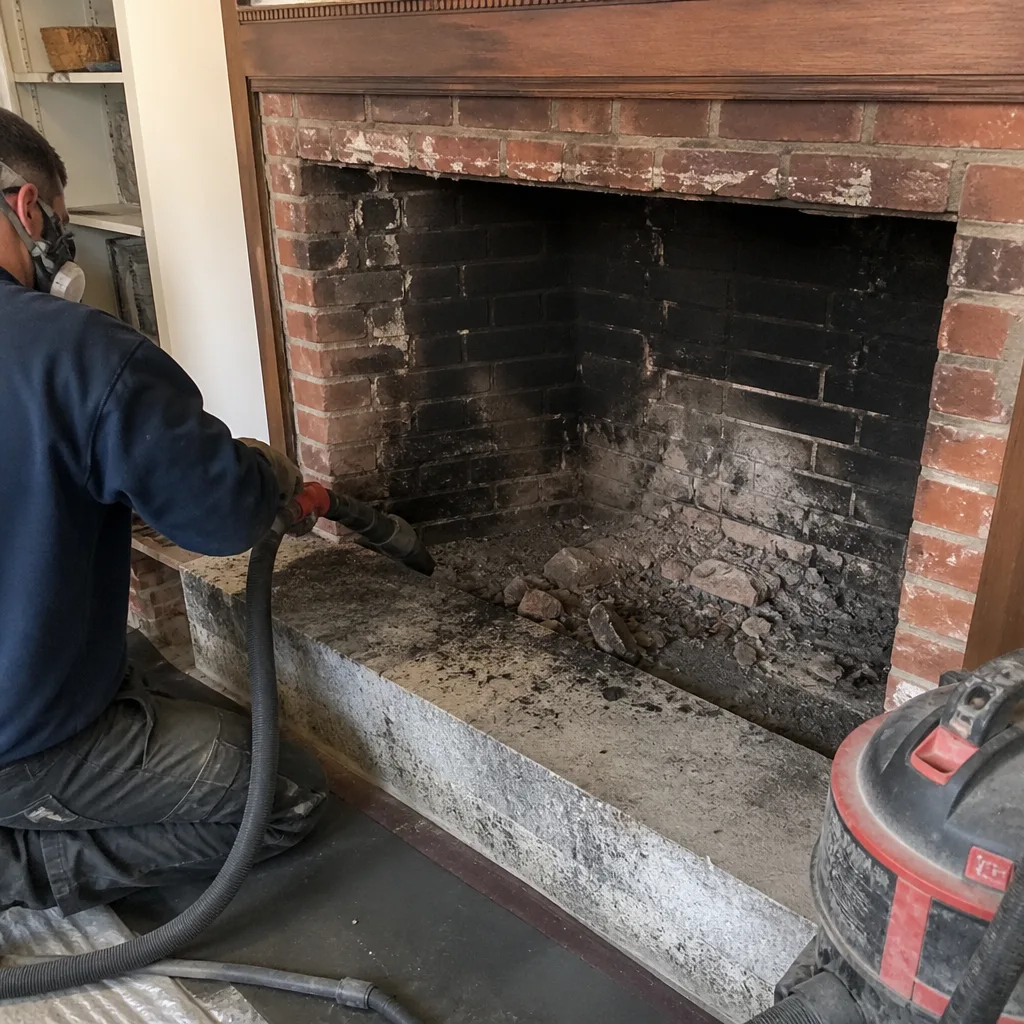 Before
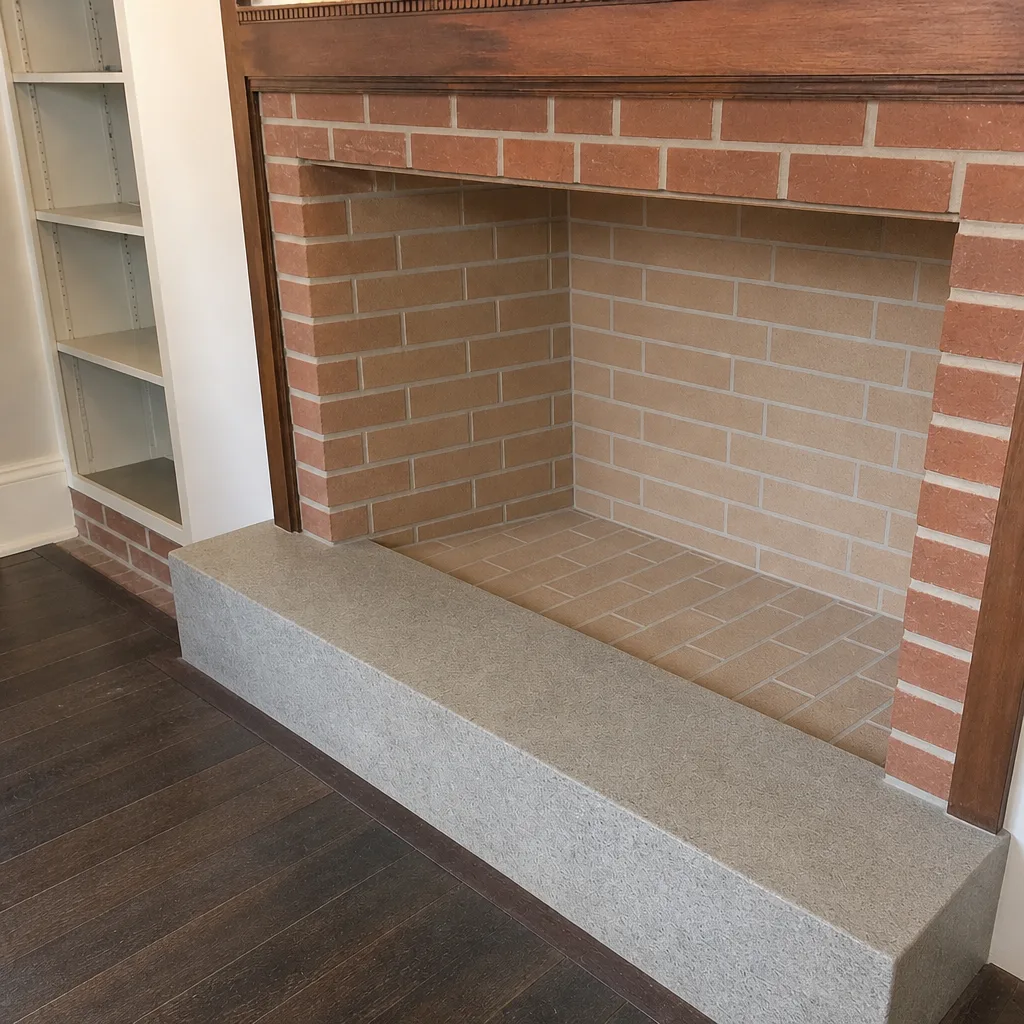 After
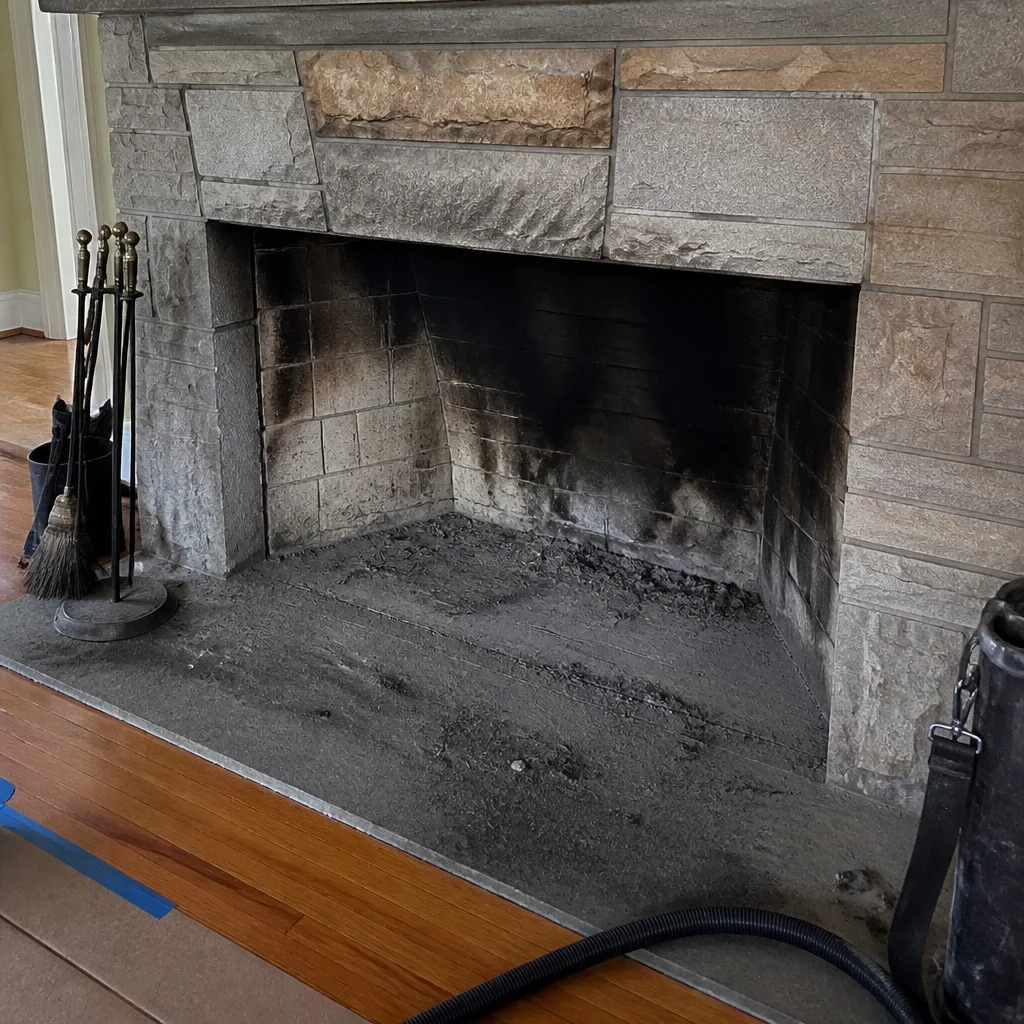 Before
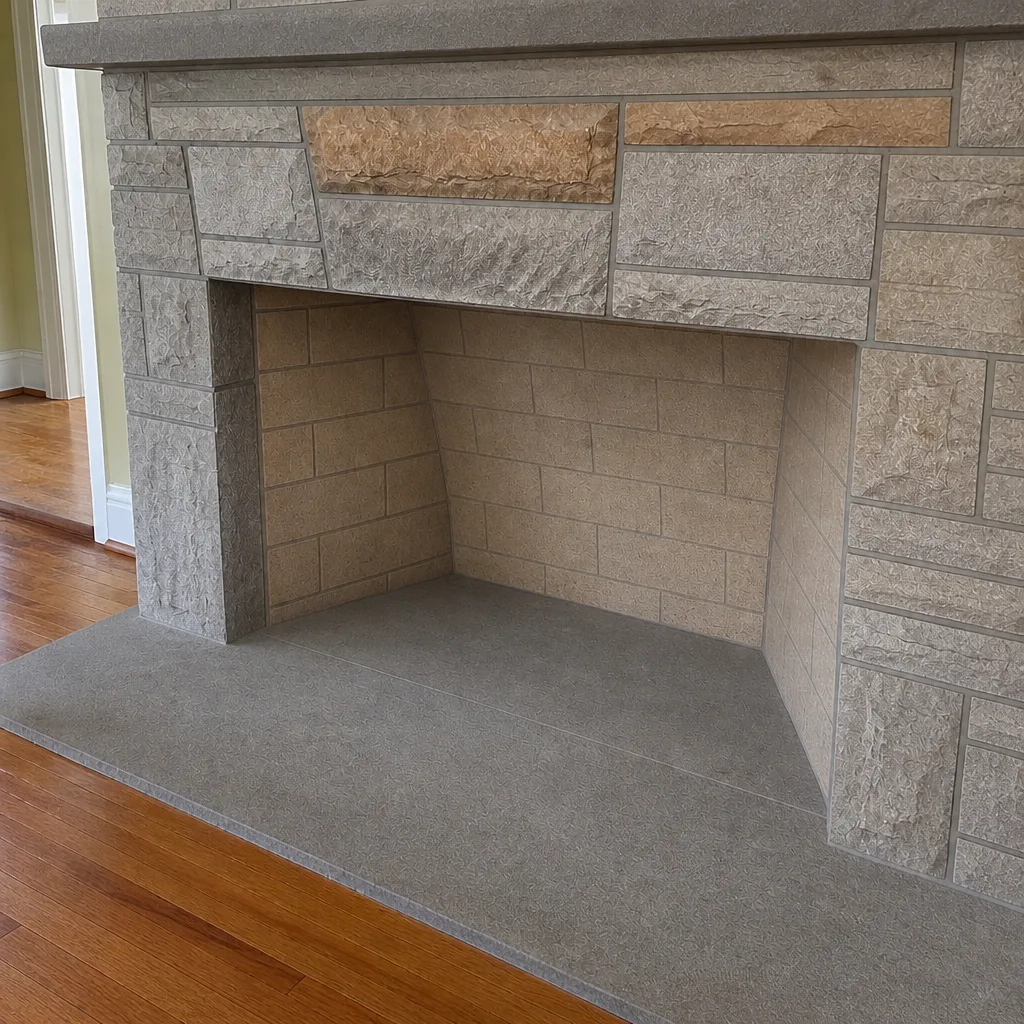 After
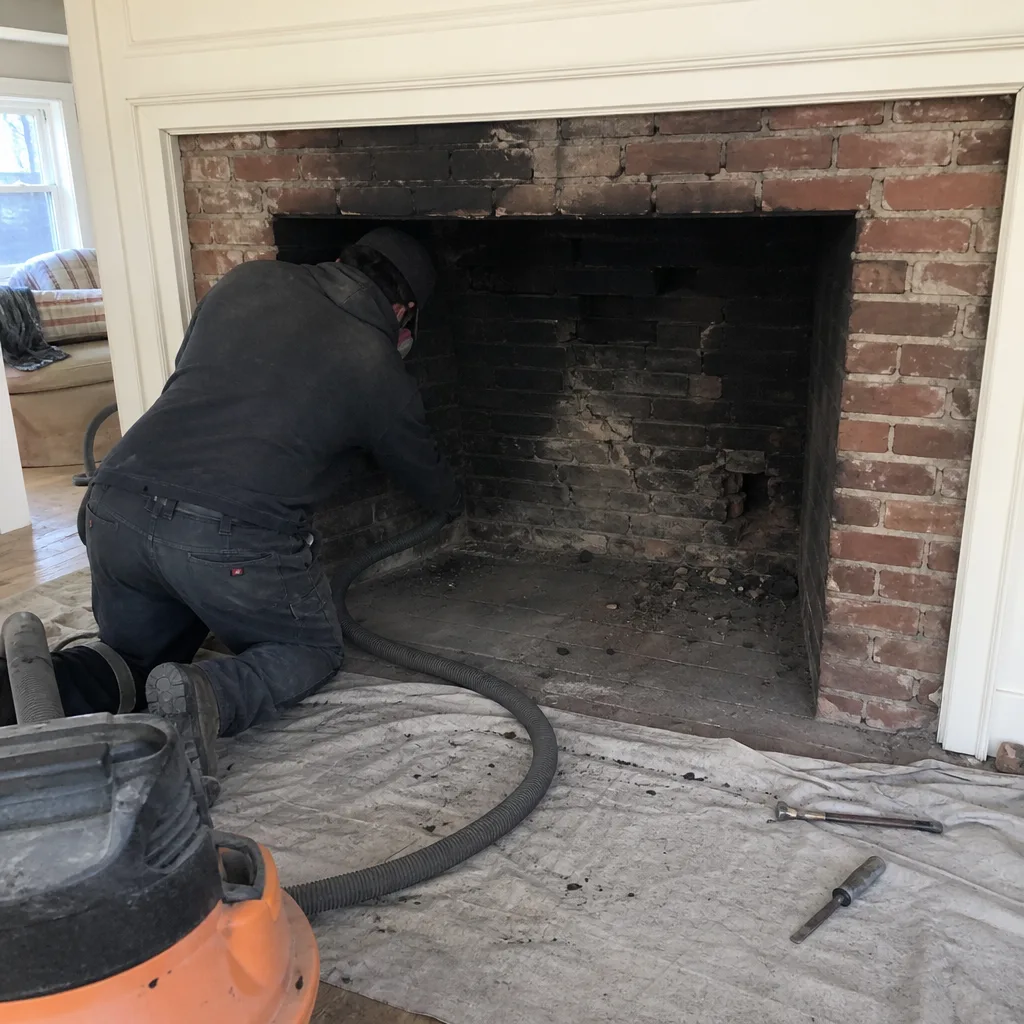 Before
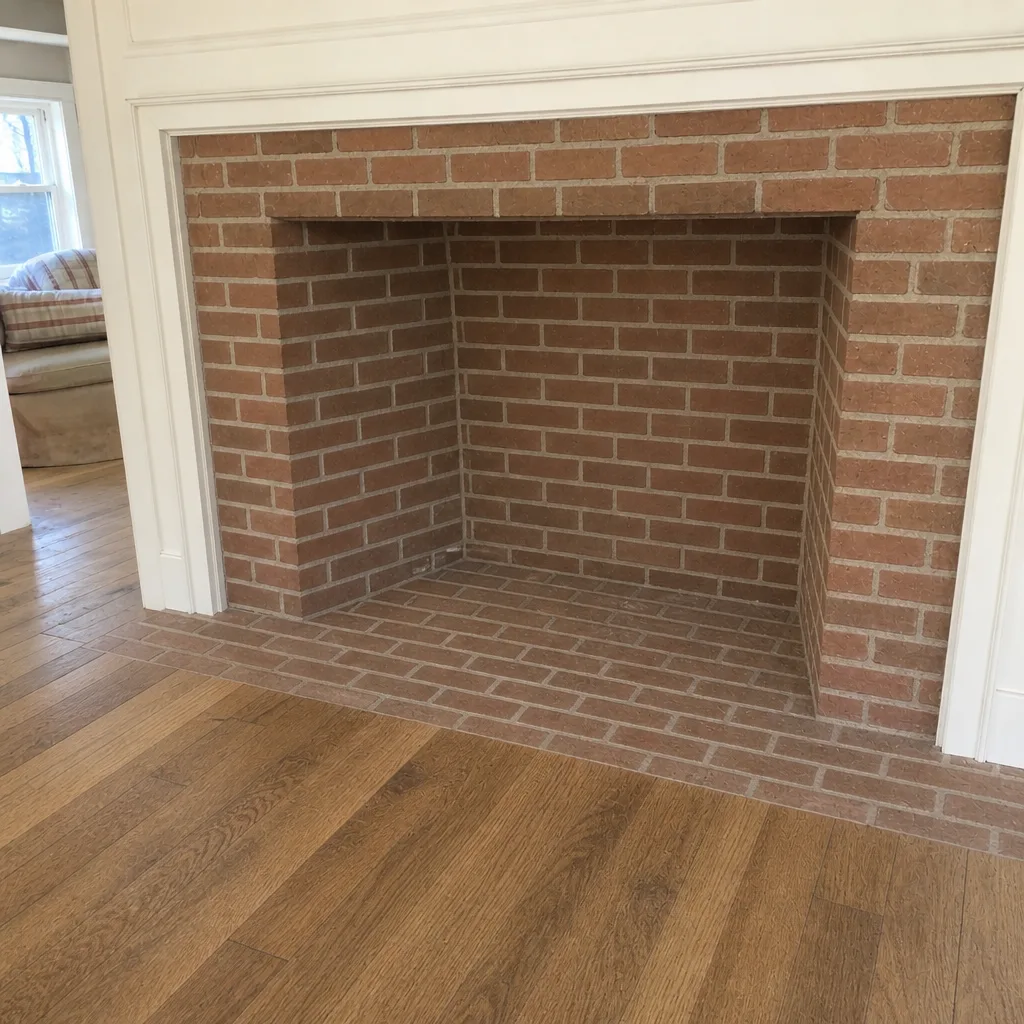 After
When to Call a Professional
Some chimney work is genuinely a professional’s job, and pretending otherwise is how homeowners get hurt. Hot flues, heights, and confined spaces are not DIY territory. Call a professional when the chimney has never been inspected, when there’s a change in appliance or fuel type, or when you’re buying or selling a West Roxbury home. Call if there’s been a chimney fire, even a small one, or if you see cracked tile, a damaged crown, or water in the firebox. Call if the fire smokes into the room, if the damper doesn’t seat, or if you smell gas near the fireplace. Call before you reline anything, and call before you trust a contractor’s “you don’t need a permit for this” without checking with Boston’s ISD.
Chimney Sweep West Roxbury offers free estimates in West Roxbury. Call (833) 991-9334. We answer 24/7. Fast dispatch from 7am to 7pm, Sunday through Friday.
Frequently Asked Questions
No. A routine chimney sweep is maintenance work and does not require a permit in West Roxbury or elsewhere in Massachusetts. A standard inspection is the same. If a company tells you a sweep needs a permit, ask them to point to the specific requirement, because a sweep doesn’t change the flue or the structure. Call (833) 991-9334 for an exact quote; estimates are free.
Repairs that alter the chimney’s structure or its flue lining generally require a permit under the Massachusetts State Building Code. That includes flue relining, structural chimney repair, and firebox rebuilds that change the firebox. The precise answer for your job depends on scope, so describe the work to Boston’s Inspectional Services Department before you book anything. Call (833) 991-9334 for an exact quote; estimates are free.
Yes. West Roxbury is part of Boston, so building permits and inspections for chimney work run through Boston’s Inspectional Services Department. ISD can confirm whether a permit is required for a specific job and whether a completed project passed inspection. That’s the office to call when you have a question about your own chimney.
NFPA 211 is the standard for chimneys, fireplaces, and solid fuel appliances, and it’s the baseline Massachusetts inspectors reference when they evaluate liner and firebox work. It defines the three inspection levels and the installation expectations for a listed liner system. When an inspector checks a reline, they’re checking against the standard and the product’s listing. A contractor who can’t speak to NFPA 211 is working from habit, not standard.
Ask the contractor for the permit number in writing, then confirm it with Boston’s Inspectional Services Department, including whether the inspection was completed and passed. Keep the passed inspection record with your home documents. That record matters if you sell the home or file an insurance claim later, and it’s the document that proves the work met code. Call (833) 991-9334 if you need help understanding what to ask for.
You take on the risk, not the contractor. An unpermitted reline can complicate a home sale when a buyer’s inspector asks for documentation, and it can raise questions with an insurer if a fire originates in that flue. A permit and a passed inspection are the record that the work met code. Without them, that record doesn’t exist. Call (833) 991-9334 for an exact quote; estimates are free.
The Bottom Line
The permission question is simpler than it looks. A chimney sweep and a standard inspection in West Roxbury need no permit, because they don’t change the flue or the structure. Flue relining, structural chimney repair, and firebox rebuilds generally do require one under 780 CMR, and Boston’s Inspectional Services Department is the office that confirms it. NFPA 211 is the standard inspectors reference, so a contractor who can speak to it is the one to trust with liner and firebox work. Ask before the work, verify the permit number after, and keep the passed inspection record with your home documents. That’s the whole protection plan. Call us if you want to talk through what your chimney actually needs.
Call (833) 991-9334. We answer 24/7. Fast dispatch from 7am to 7pm, Sunday through Friday. Estimates are free, and the written estimate sets the final price.
Written by the team at Chimney Sweep West Roxbury.