
Last updated November 25, 2026
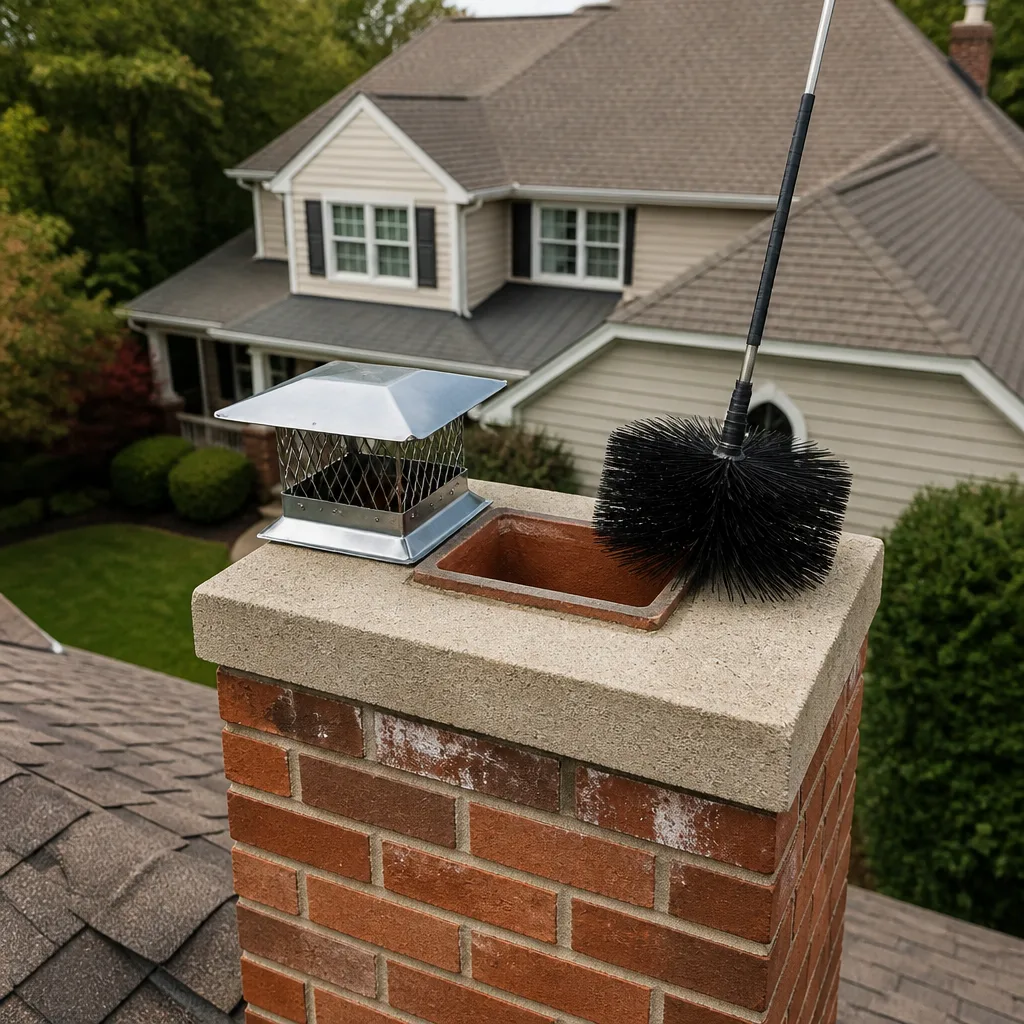 Sweep & inspection
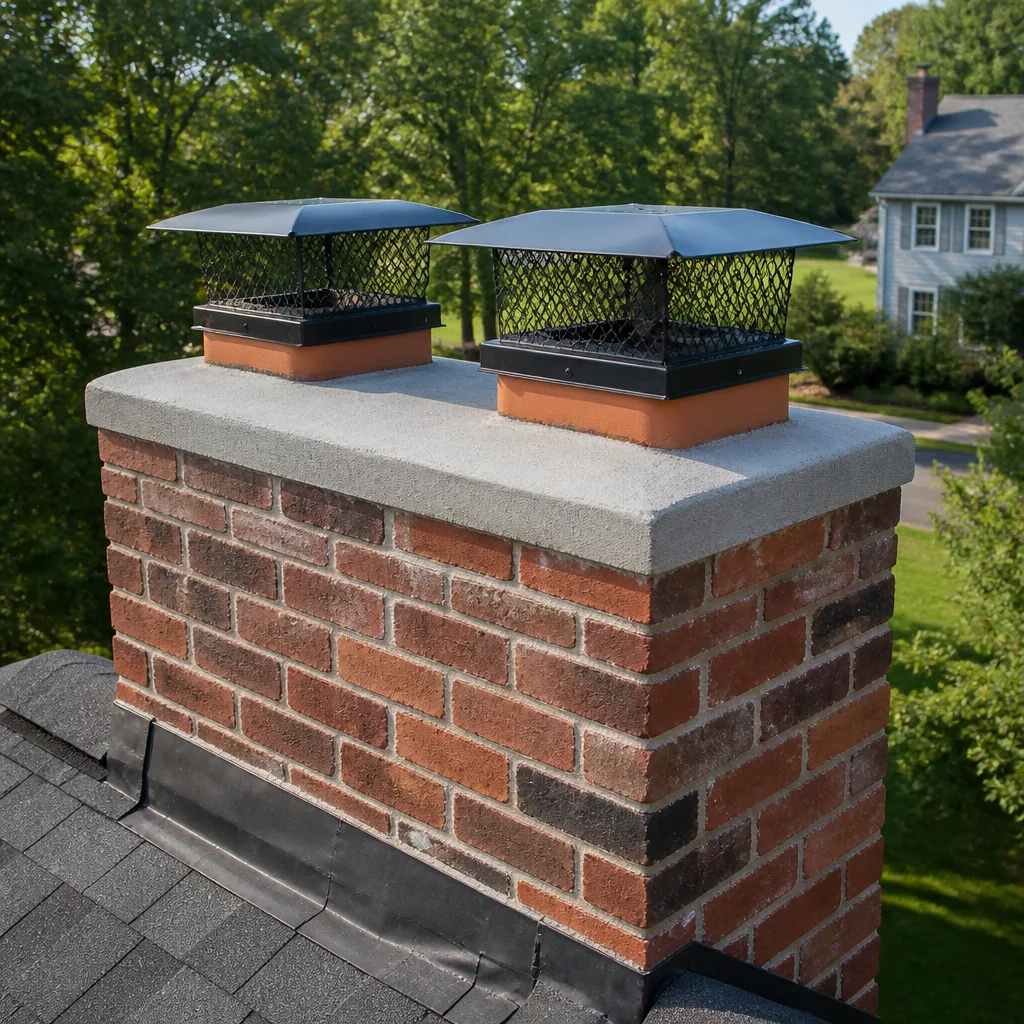 Caps & crowns
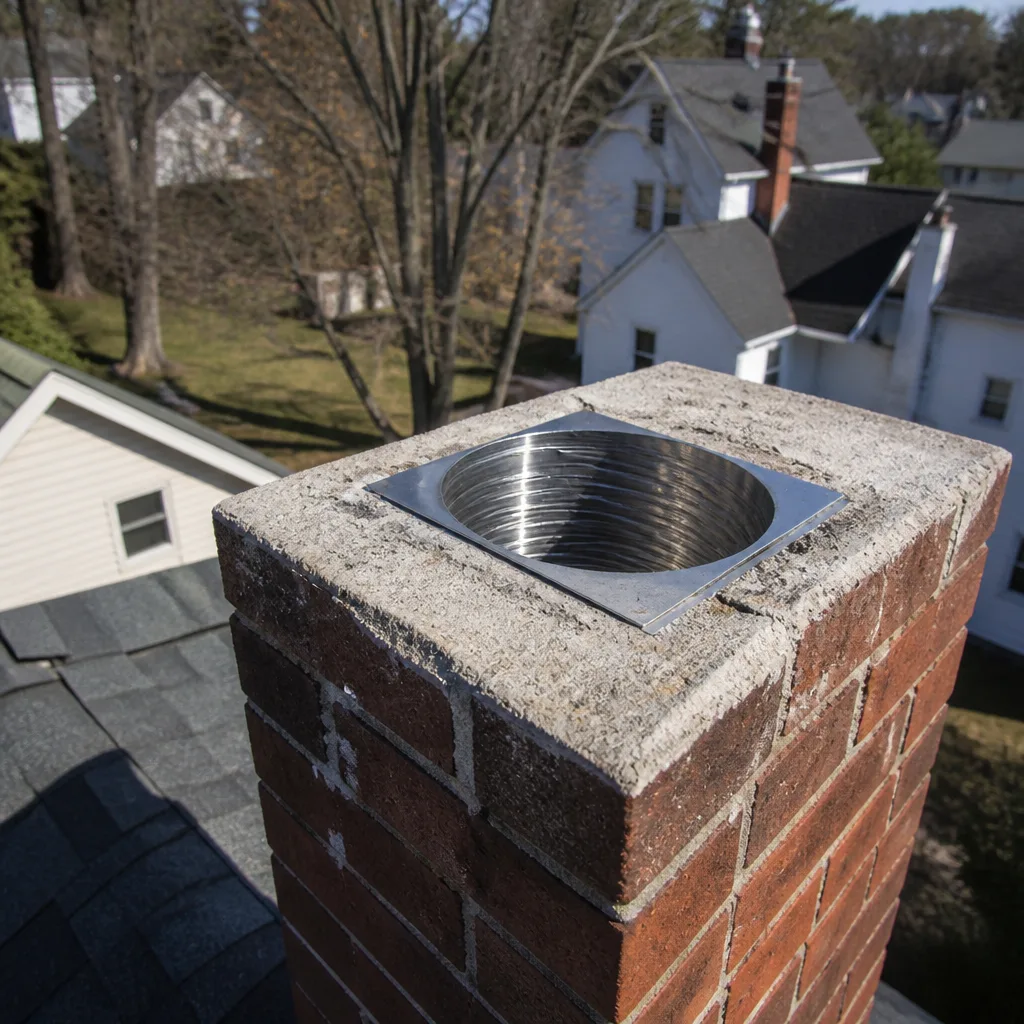 Flue relining
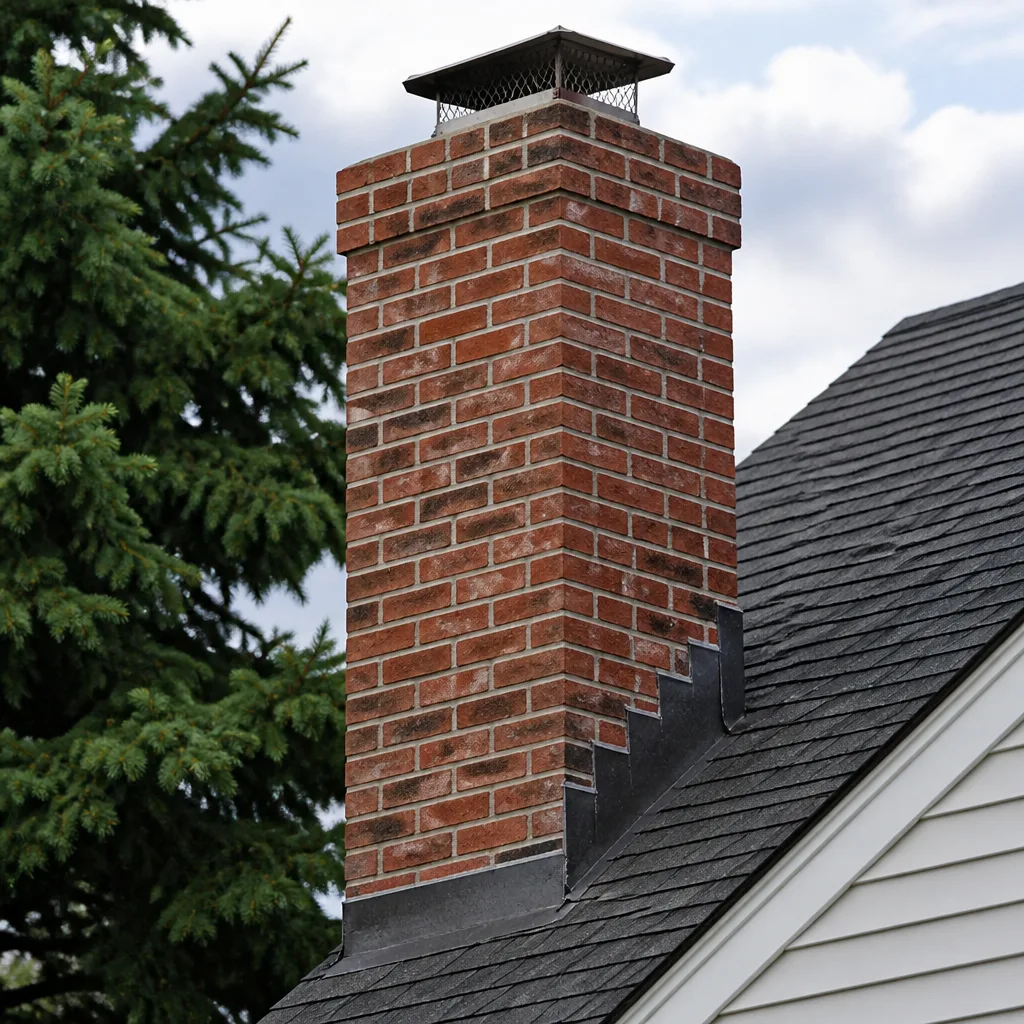 Masonry repair
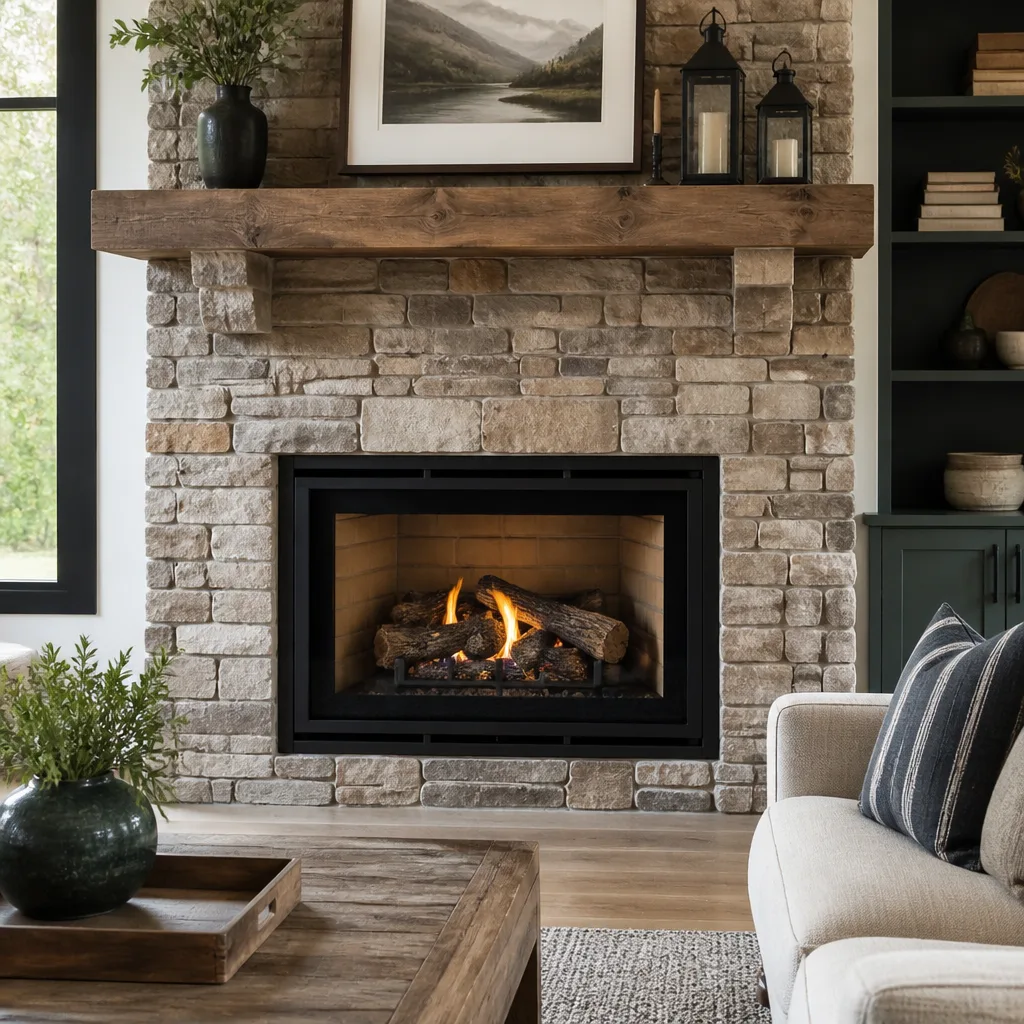 Gas fireplace service
Level 1 sweep and inspection to the NFPA 211 annual standard - flue, crown, cap, and flashing checked and photographed
Chimney sweep logs do not sweep chimneys. They loosen some creosote - which then falls where a brush and vacuum still have to collect it.
Chimney Sweep Troubleshooting in West Roxbury: Common Problems and How to Fix Them
That smoky smell in your living room isn’t always a dirty flue. Sometimes it’s a pressure problem, and no amount of sweeping will fix it. Most homeowners assume a bad draft means the chimney needs cleaning, so they book a sweep, the sweep cleans it, and the smell comes back two weeks later. The real cause was never buildup. It was the way air moves through the house. Learning to read your chimney’s symptoms the way a trained sweep does, before you call anyone, is the difference between a quick fix and a frustrating loop of service calls. This guide walks through the problems we see most in West Roxbury, what each one looks like, and which ones you can watch versus which need a pro now.
Quick Answer
Most chimney problems in West Roxbury fall into two camps: draft problems (airflow, height, or blockage) and combustion problems (creosote buildup, a failing flue, or a damaged damper). Draft problems often look like buildup problems because both produce smoke and odor, but they need completely different fixes. Some you can diagnose by eye; anything involving a cracked flue, heavy creosote, or a structural break needs a trained professional before the next fire.
Styles & brands we work with
- Sweep & inspection
- Caps & crowns
- Flue relining
- Masonry repair
- Gas fireplace service
Table of Contents
- Draft Problems vs. Combustion Buildup: Telling Them Apart
- What Your Firebox Staining Is Telling You
- Why West Roxbury’s Older Homes Struggle With Draft
- What You Can Safely Monitor vs. What Needs a Pro
- When Cleaning Won’t Fix It: HeatShield and DuraFlex Liners
- Cap, Crown, and Water Problems
- How Often to Book a Chimney Sweep in West Roxbury
- What a Real Chimney Inspection Looks Like
Draft Problems vs. Combustion Buildup: Telling Them Apart
Draft and buildup cause similar symptoms, and that’s the trap. Both produce smoke spilling into the room, a lingering wood-smoke smell, and a fire that’s hard to keep going. The difference comes down to what’s actually inside the flue and how the air moves through your house.
Draft problems are about airflow. Your chimney works because warm exhaust rises and pulls fresh air in behind it. When that pressure balance breaks, smoke backs up even if the flue is spotless. Common draft causes include:
- A flue that’s too short for the fireplace opening, so the smoke doesn’t have enough height to build upward momentum.
- A negative-pressure house, where a tight envelope or an exhaust fan pulls air down the chimney instead of up.
- A blocked or partly blocked flue, from a bird nest, a fallen cap, or a cracked tile restricting the path.
- Competing vents, like a kitchen or bath exhaust fan running while the fire is lit, which robs the chimney of the air it needs.
Combustion buildup is about what has accumulated in the flue. Creosote, soot, and glaze coat the walls and narrow the path. Heavy creosote is also flammable, which is the real reason it matters: a buildup fire burns hot and can crack tiles or damage a liner. When we sweep a West Roxbury chimney, the question we’re answering isn’t just “how dirty is it” but “is the dirt the problem, or is something else choking the draft?” A clean flue that still smokes is almost always a draft or pressure issue, and that’s a different conversation than cleaning.
If you want to know which category you’re in, test it simply. Light a small fire, then watch what happens when you crack a nearby window an inch. If the smoke clears, you likely have a pressure problem. If it doesn’t, or if you see heavy soot and a glassy glaze on the flue walls, you’re probably looking at buildup. Either way, a chimney sweep with a camera confirms it in minutes.
What Your Firebox Staining Is Telling You
The stains inside your firebox and around the damper are a map. Each color and pattern points to a different cause, and once you know the code, you can describe the problem to a sweep before anyone shows up. Here’s what the three main patterns mean.
White efflorescence
That chalky white powder or crust is efflorescence, and it usually means water. Moisture has moved through the masonry and left mineral salts behind as it evaporated. On a chimney, efflorescence is a warning that water is getting in somewhere: a failing crown, a cracked cap, or masonry that’s absorbing rain. It’s not dangerous on its own, but it’s a sign to look upward at the top of the chimney.
Black smoke staining
Black, sooty streaks around the damper or spreading up the firebox face usually point to draft problems or incomplete combustion. When smoke lingers and deposits before it can escape, you get black stains exactly where the smoke hits. That can mean a damper that won’t open fully, a flue that’s undersized, or a negative-pressure house pulling smoke back into the room. Black staining is often a draft issue in disguise.
Rust streaks
Rust on the damper, the firebox metal, or the flue tells you moisture is present in a place it shouldn’t be. Whether it’s a leaky crown, a missing cap, or condensation from a flue that’s too large for the fire, rust is a structural signal. It means metal components are degrading and should be checked before the next heating season.
Reading stains is the single most useful skill a homeowner can build. When you call, saying “I have white chalky powder near the damper” gets you farther than “my fireplace smells.” We always start an inspection at the firebox for exactly this reason: the stains point us to the cause before we even get on the roof.
Why West Roxbury’s Older Homes Struggle With Draft
West Roxbury has a deep stock of triple-deckers and Colonial-era homes, and older construction creates specific chimney pressure dynamics that newer houses mostly avoid. The reason is simple: these houses were built to leak air. Drafty windows, uninsulated walls, and loose framing let air in from everywhere, and chimneys were sized and placed with that airflow in mind. When a house gets tightened up through modern insulation and weather-sealing, the chimney loses the air supply it was designed around.
This is the paradox of a tighter house. Sealing leaks saves energy, but it can starve the chimney. A fireplace needs air to burn, and a modern sealed envelope can pull a house into negative pressure, so the chimney competes with exhaust fans, dryers, and even the furnace for the air it needs. The result is smoke backdraft, a fire that smolders, and that smoky smell you can’t quite place.
Triple-deckers add another layer. In a stacked three-family building, each unit’s chimney shares a stack and a roofline. A flue that was sized for one unit can’t always handle the shared pressure, and a neighboring flue’s exhaust can interfere with yours. In older Colonials, the chimney often sits on an exterior wall, which runs colder than an interior chimney and struggles to warm up enough to draft properly in the shoulder seasons.
In our experience, West Roxbury draft complaints tend to spike when the weather turns, because the temperature difference that drives a chimney is on the move. If your fireplace used to draw well and now doesn’t, look at what changed in the house before you assume the chimney is dirty. Often the fix is as simple as opening a window a crack or adding a make-up air source, not a rebuild. Getting that diagnosis right is what keeps you from paying for work you don’t need.
What You Can Safely Monitor vs. What Needs a Pro
Not every chimney symptom is an emergency, and knowing the difference is how you avoid both panic calls and dangerous delays. Here’s the practical line between “watch it” and “call now.”
Safe to monitor
- Light soot and ash in the firebox that you clean out as part of normal upkeep.
- A smoky smell in the shoulder seasons when the house is closed up and the fireplace is out of use; crack a window and check again when you light a fire.
- White efflorescence that appears small and stable; monitor it and have it inspected at the next annual sweep.
- An occasional puff of smoke on a cold start that clears once the flue warms up.
Call a professional now
- Smoke spilling into the room while a fire is burning, or a strong draft reversing down the flue.
- A glaze or heavy crust on the flue walls, which is flammable creosote that needs sweeping before you burn again.
- Any crack, gap, or crumbling in the flue tiles or firebox brick.
- Rust streaks or water stains that point to an active leak.
- A carbon monoxide alarm near the fireplace or anywhere in the house.
- Masonry that’s leaning or spalling, or chunks of material falling in the firebox.
The safety rule here is straightforward. Anything that suggests a damaged flue, a blocked flue, or heavy creosote deserves a trained eye before the next fire. A flue that’s cracked can let smoke and carbon monoxide into the living space, and that’s not something to monitor. When in doubt, one call to a dedicated sweep settles it.
When Cleaning Won’t Fix It: HeatShield and DuraFlex Liners
Some chimney problems are structural, and cleaning can’t touch them. A flue with cracked, spalled, or displaced clay tiles is failing at the material level. Sweeping cleans the surface; it doesn’t repair a cracked tile, and it can’t stop a flue from leaking smoke into adjacent spaces. This is where liner solutions come in, and it’s a large part of what separates a chimney specialist from a generalist handyman.
Two materials we work with handle most of these cases:
- HeatShield is a resurfacing system for deteriorating clay-tile flues. It restores the inner surface of the tile without full demolition, which lets a chimney keep its original masonry while getting a new, sealed interior. For homes where the flue is parged or has hairline cracks, it can be the right answer instead of a full rebuild.
- DuraFlex is a flexible stainless-steel liner system we spec for relining projects. When a flue is compromised or undersized, a stainless liner installs inside the existing chimney and becomes the new path for exhaust. It’s a code-compliant solution for chimneys that can’t simply be cleaned back to health.
The difference matters to a homeowner because it changes the scope of the job. A sweep who only cleans will tell you the flue is dirty and leave it at that. A specialist looks at the flue and asks whether the material itself has failed, then recommends HeatShield, a DuraFlex liner, or another system that fits the chimney. Materials like Copperfield and Famco complete the mix we draw from, so the fix fits the flue rather than the other way around.
This is also where the “do I really need a new liner” question lives, and the honest answer is: only if the evidence says so. A cracked or failing flue needs one. A dirty but sound flue does not. The right call comes from a camera inspection you can see for yourself, not a sales pitch.
Cap, Crown, and Water Problems
Water is the quiet destroyer of chimneys, and the two components that keep it out are the cap and the crown. Top a chimney without them and you’re inviting the exact problems that show up as rust, efflorescence, and crumbling masonry lower down.
The crown is the concrete slab at the top of the chimney that sheds water away from the flue. When it cracks, water gets into the masonry and starts working its way down. The cap sits above the flue and keeps rain, birds, and debris out of the opening. Between the two, you have a weatherproofing system, and both parts wear out.
A failing crown shows up as cracks, spalling concrete, or a crown that no longer slopes away from the flue. A missing or damaged cap shows up as water in the firebox, animal nests, or debris blocking the flue. Neither is a cleaning problem; both are repairs, and both are far cheaper to handle before the masonry below is saturated. chimney cap & crown work is proactive by nature, which is exactly why it’s worth checking every year rather than waiting for a leak to announce itself.
In West Roxbury, the freeze-thaw cycle through the colder months is hard on crowns and caps. Water gets into a small crack, freezes, expands, and widens the crack by spring. A crown that looks fine in July can be a real problem by February. If you notice water in your firebox after a rain, start at the top: the crown and cap are the usual suspects before anything lower in the chimney.
How Often to Book a Chimney Sweep in West Roxbury
The short answer: have your chimney swept and inspected once a year if you burn wood regularly, and every year regardless if you want to stay ahead of problems. The standard guidance is annual, and for a working fireplace in West Roxbury, once a year is a sensible rhythm. Here’s how to think about the schedule:
- Before the heating season. Book your sweep before you start burning in earnest, so the flue is clear and inspected when the first real fire happens.
- Once a year for regular burners. If you use the fireplace most of the winter, an annual sweep keeps creosote from building to a flammable level.
- Sooner if you notice the signs. Heavy creosote, glaze on the flue walls, or a fire that won’t draw means call sooner, not later.
- Never burn on a flue you haven’t had checked if it’s new to you, whether you just moved in or just opened the damper after a long idle stretch.
The annual sweep is also your chance to catch the structural problems early. A sweep that pairs cleaning with a real inspection can spot a cracked crown or a failing flue tile before it becomes a rebuild. That’s why we treat a chimney sweep as the front door to the whole chimney, not just a cleaning chore. The cost of catching a small problem at the annual sweep is far lower than the cost of a full liner project discovered after a leak.
If you’ve skipped a year or two, don’t assume the worst. A single inspection tells you where you stand, and often a chimney that’s gone a few seasons without attention just needs a good sweep and a cap repair. The point of the schedule is to keep small businesses small.
What a Real Chimney Inspection Looks Like
An inspection that actually tells you something looks different from a quick glance up the flue. When we inspect a chimney in West Roxbury, the goal is a picture you can see and understand. A proper inspection typically covers:
- The firebox and damper, checking for cracks, staining, and whether the damper opens and seals correctly.
- The flue, examined with a camera to look at the condition of the tiles, joints, and any creosote buildup.
- The top of the chimney, where the crown, cap, and screen are checked for cracks and damage.
- The exterior and roofline, looking for leaning, spalling, or water damage to the masonry.
- A written report with photos, so you can see what we see and decide what to do next.
That last point matters more than it sounds. A real inspection gives you evidence. If a chimney needs a liner, the camera shows why. If it can wait, the report says so. We’d rather tell you a repair can safely be put off than sell you work you don’t need, because a homeowner who trusts the diagnosis comes back next year. An inspection as a standalone service is also useful for a real estate transaction or an insurance requirement, where you need the condition of the chimney documented rather than just cleaned.
Pair the inspection with the fireplace itself. If the firebox has damage, the damper needs work, or the grate and surround are worn, fireplace repair keeps the fire where it belongs. The chimney and the fireplace are one system, and treating them separately is how problems get missed.
Common Mistakes to Avoid
- Assuming every smell means a dirty flue. Pressure and draft problems mimic buildup, so sweeping a clean flue solves nothing. Diagnose first, then decide what the fix is.
- Burning right after a long idle period without a check. A flue that’s sat unused can collect debris and nests over the off-season. A quick inspection before the first fire is worth the call.
- Ignoring white efflorescence or rust streaks. Both point to water getting in, and water damage compounds. Treat them as a cue to check the crown and cap.
- Weather-sealing the house without thinking about the chimney. Tightening a West Roxbury triple-decker or Colonial can create the negative pressure that causes backdraft. Balance air supply with the fireplace.
- Letting a generalist handle a failed flue. A handyman can sweep; a specialist knows when the flue material itself has failed and needs HeatShield or a flexible liner instead of another cleaning.
- Skipping the cap because the chimney “looks fine.” A missing cap lets water and animals in all year. It’s cheap to fix and expensive to skip.
- Treating an insurance or real-estate inspection as a checkbox. A camera inspection with a written report is documentation, not paperwork. Ask for the report.
See the difference
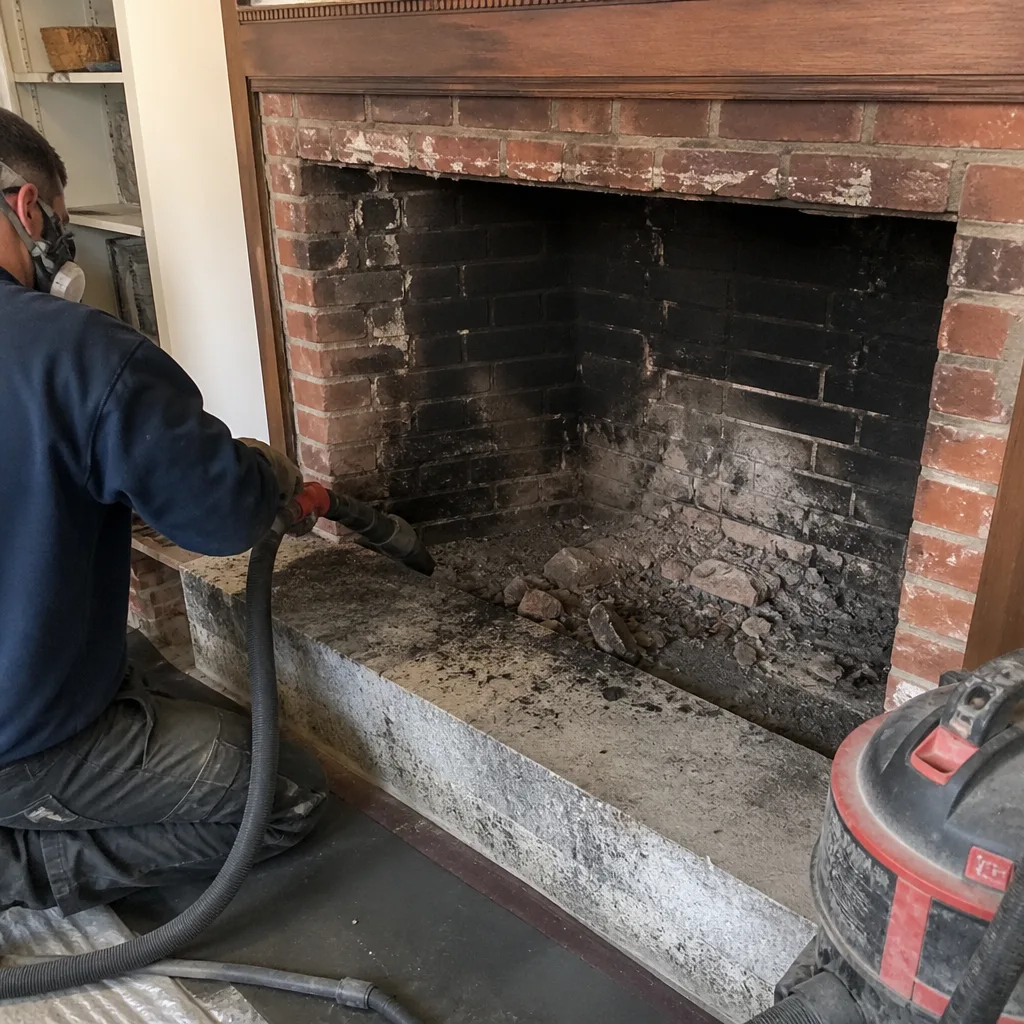 Before
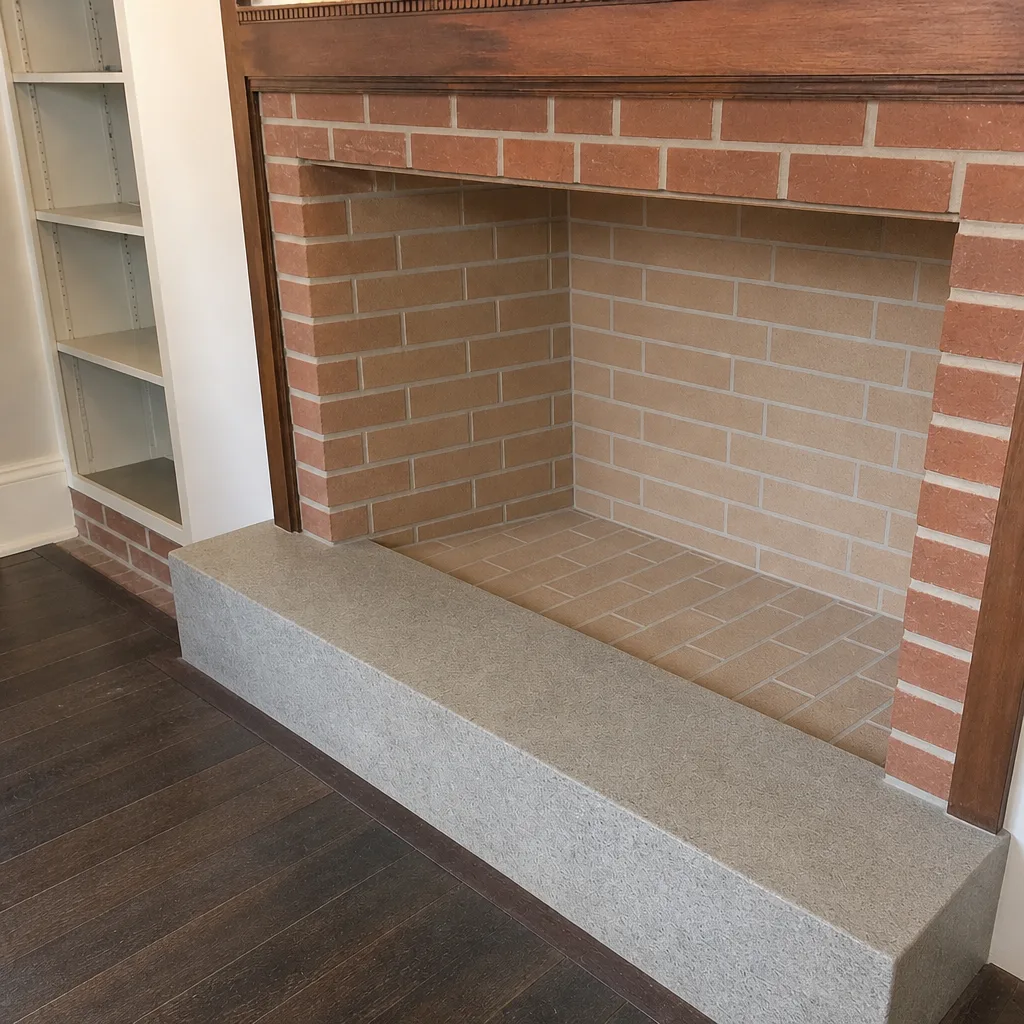 After
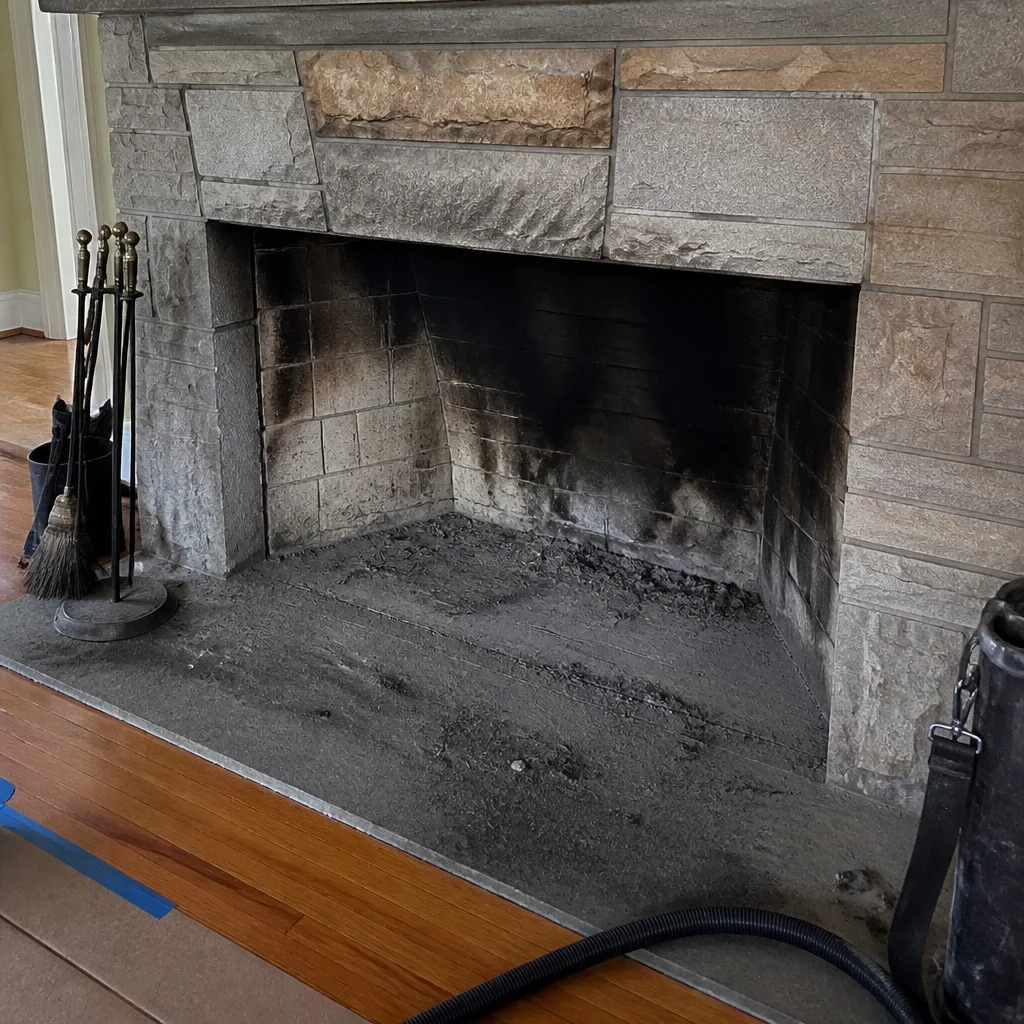 Before
 After
 Before
 After
When to Call a Professional
Call a professional when the symptom points to structure: smoke spilling into the room, a crack or gap in the flue, heavy creosote or glaze, rust, water in the firebox after rain, masonry that’s leaning or spalling, or a carbon monoxide alarm near the fireplace. Call sooner if you can’t remember your last sweep. Those aren’t cleaning problems; they’re safety problems, and they need a trained eye before the next fire. When the symptom is ambiguous, a camera inspection settles it, and the report tells you what’s urgent versus what can wait. Chimney Sweep West Roxbury offers free estimates in West Roxbury. Call (833) 991-9334. We answer 24/7, with fast dispatch from 7am to 7pm, Sunday through Friday.
Frequently Asked Questions
A standard sweep in West Roxbury typically runs in the low hundreds of dollars, and a camera inspection or cap repair adds to that depending on what’s found. We set the price per job with a written estimate, so you know the number before we start. Call (833) 991-9334 for an exact quote; estimates are free.
You need a new liner only if the flue itself has failed: cracked tiles, gaps, spalling, or a size that can’t handle the fire. A dirty but sound flue does not need relining. We confirm with a camera inspection and show you the evidence, then recommend HeatShield resurfacing or a DuraFlex liner only when the flue calls for it. Call (833) 991-9334 if you want a straight answer on yours.
Once a year is the standard for a fireplace you use regularly, and annual is a good rhythm even if you burn less. A sweep before the heating season keeps creosote from building and gives you a chance to catch structural problems early. If you’ve gone more than a year, book an inspection rather than assuming. Call (833) 991-9334 to schedule.
Creosote builds up and becomes flammable, so a flue fire becomes more likely the longer you wait, and small cracks or a failing crown can go unnoticed until they cause a leak. Skipping a year isn’t automatically a disaster, but skipping several lets problems compound. The annual sweep is how you catch them while they’re small. Call (833) 991-9334 and get it checked.
Smoke after a cleaning almost always means a draft problem, not a dirty flue: a negative-pressure house, a short flue, or a competing exhaust fan. Tightening insulation in an older home can create exactly this. The fix is often air balance or a change at the top of the chimney, not another cleaning. Call (833) 991-9334 and we’ll diagnose the draft.
Yes. We do standalone inspections, which is useful for a home purchase or an insurance requirement when you need documentation of the chimney’s condition. You get a camera look and a written report with photos. Call (833) 991-9334 to book an inspection on its own.
The Bottom Line
Most chimney trouble in West Roxbury is diagnosable before you pick up the phone, if you know what you’re reading. Draft problems and buildup look alike but need different fixes. Stains tell a story: white means water, black means smoke, rust means moisture in the wrong place. Older triple-deckers and Colonials carry pressure quirks that a tight envelope makes worse. Some symptoms you can watch; a cracked flue, heavy creosote, or smoke in the room means call now. And when the flue itself has failed, materials like HeatShield and DuraFlex solve what cleaning never will. Get the diagnosis right and you won’t pay for work you don’t need.
Chimney Sweep West Roxbury brings a dedicated chimney specialist to every job, with technicians who have up to 11 years of experience and a materials-first approach built on brands like DuraFlex, HeatShield, Gelco, Olympia Chimney, Famco, and Copperfield. From annual sweep to full liner replacement, we handle the whole chimney. Call (833) 991-9334 for a free estimate. We answer 24/7, with fast dispatch from 7am to 7pm, Sunday through Friday.
Written by the team at Chimney Sweep West Roxbury.