
Last updated November 25, 2026
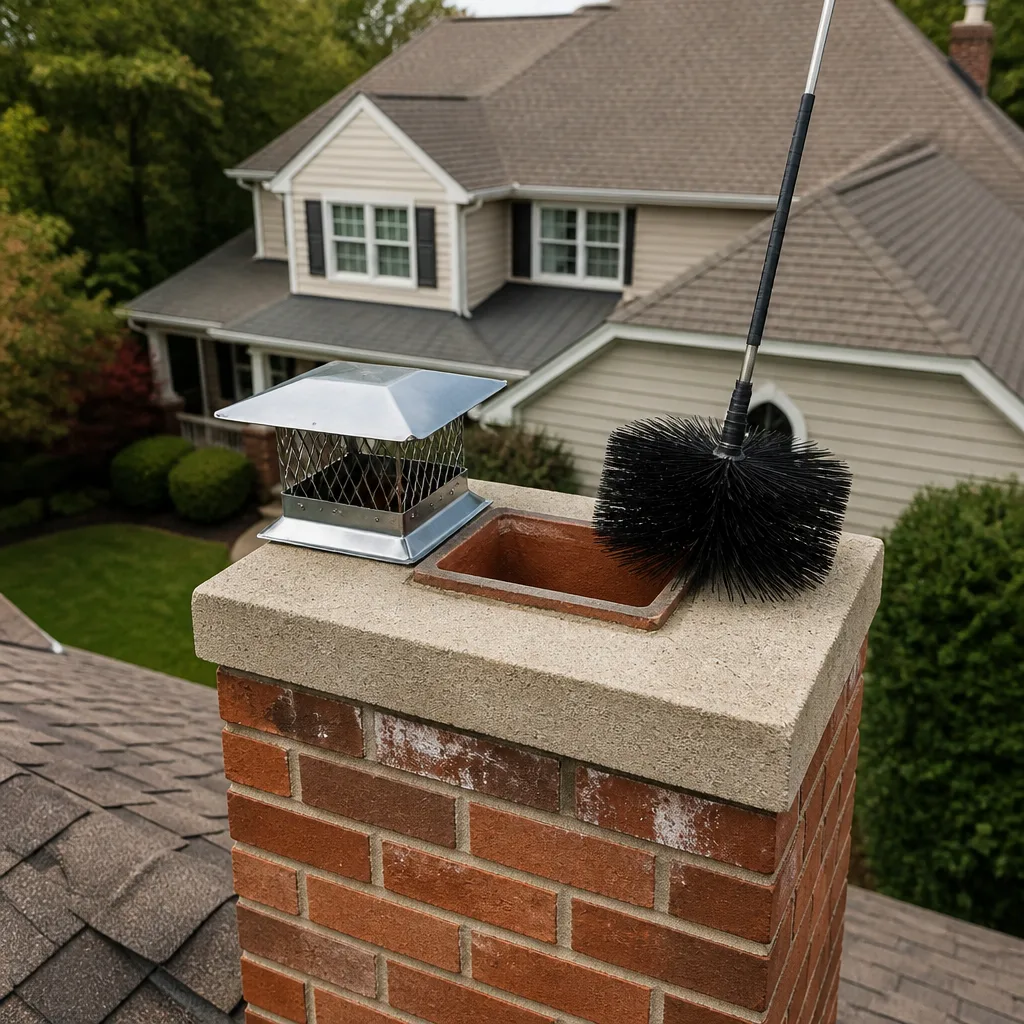 Sweep & inspection
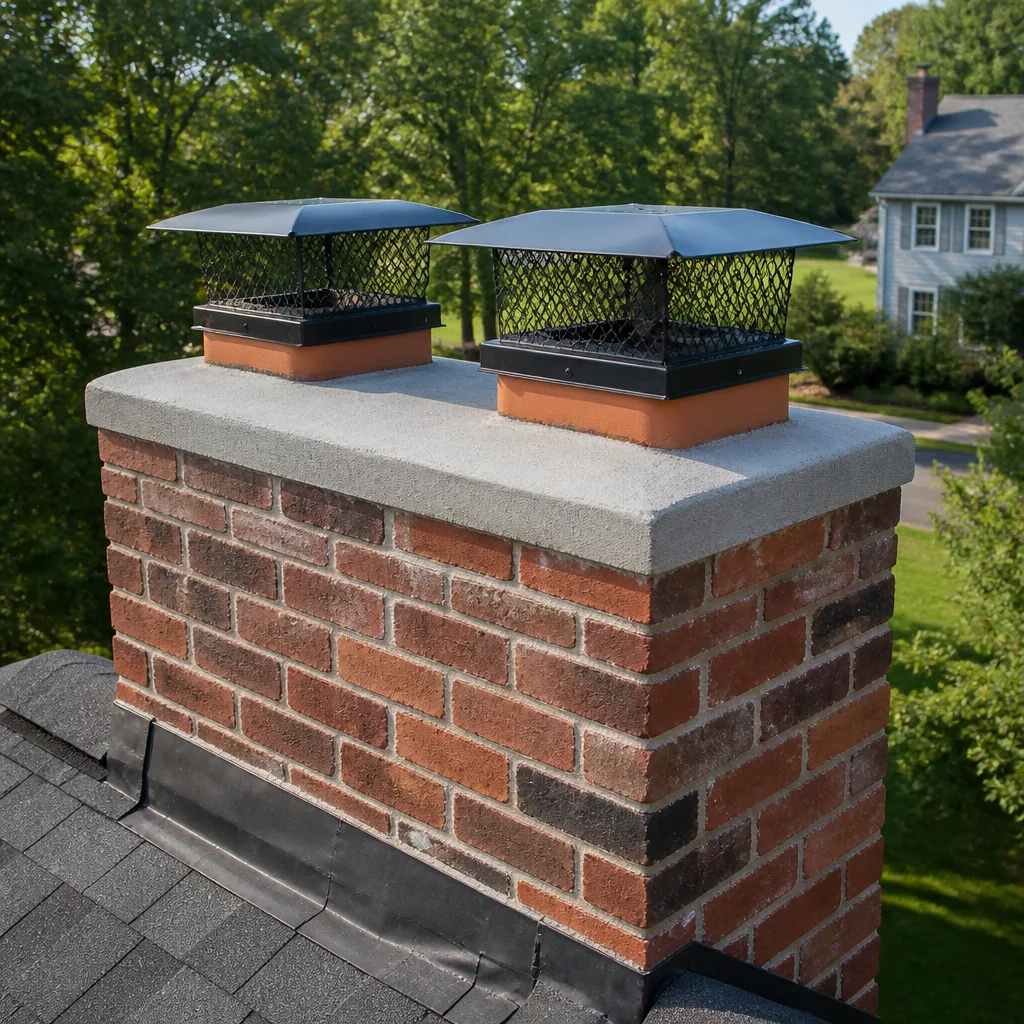 Caps & crowns
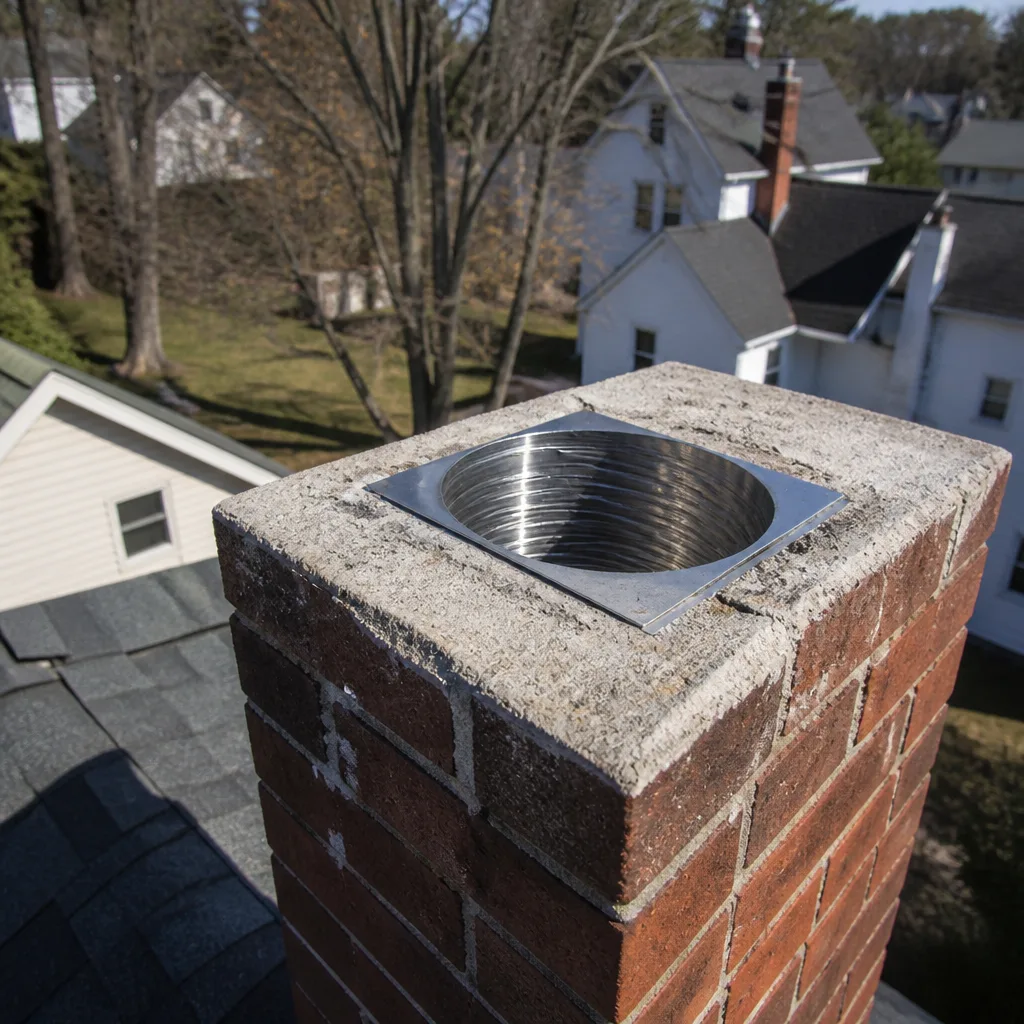 Flue relining
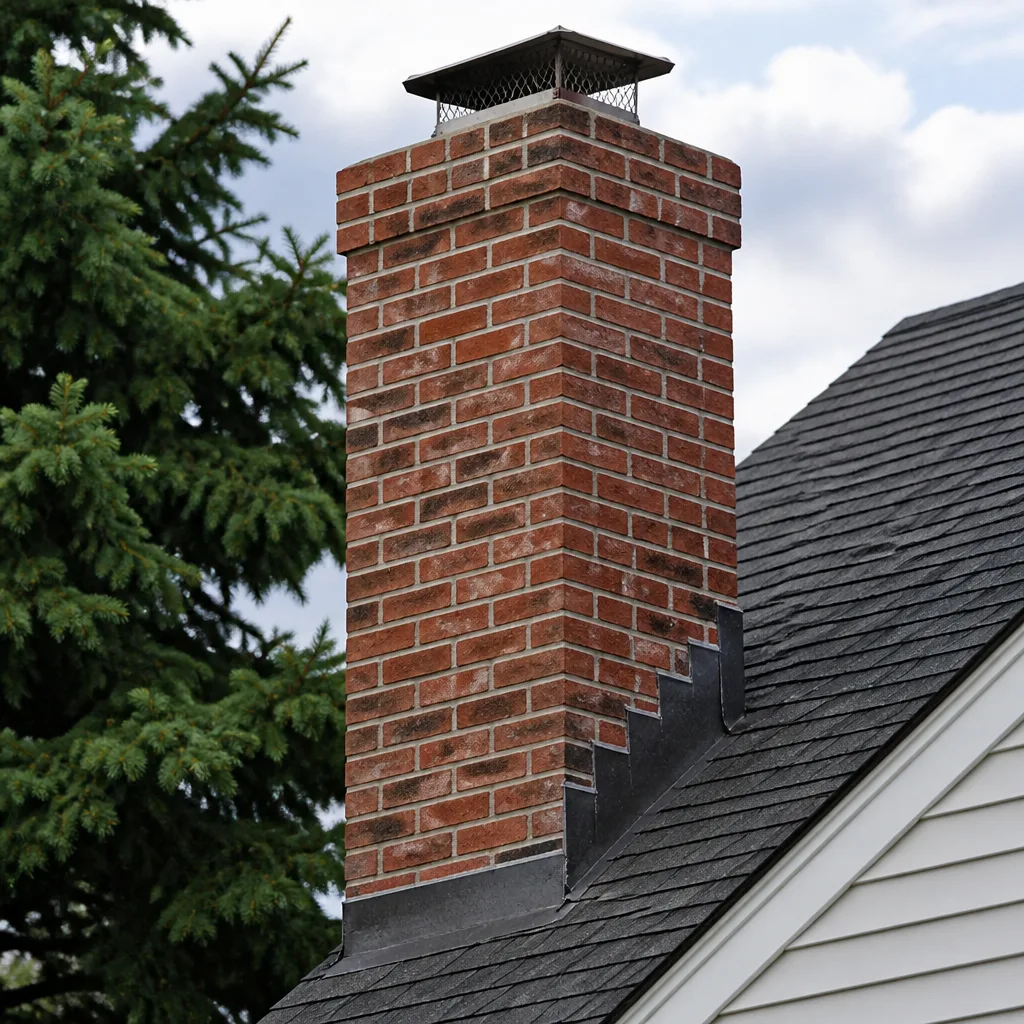 Masonry repair
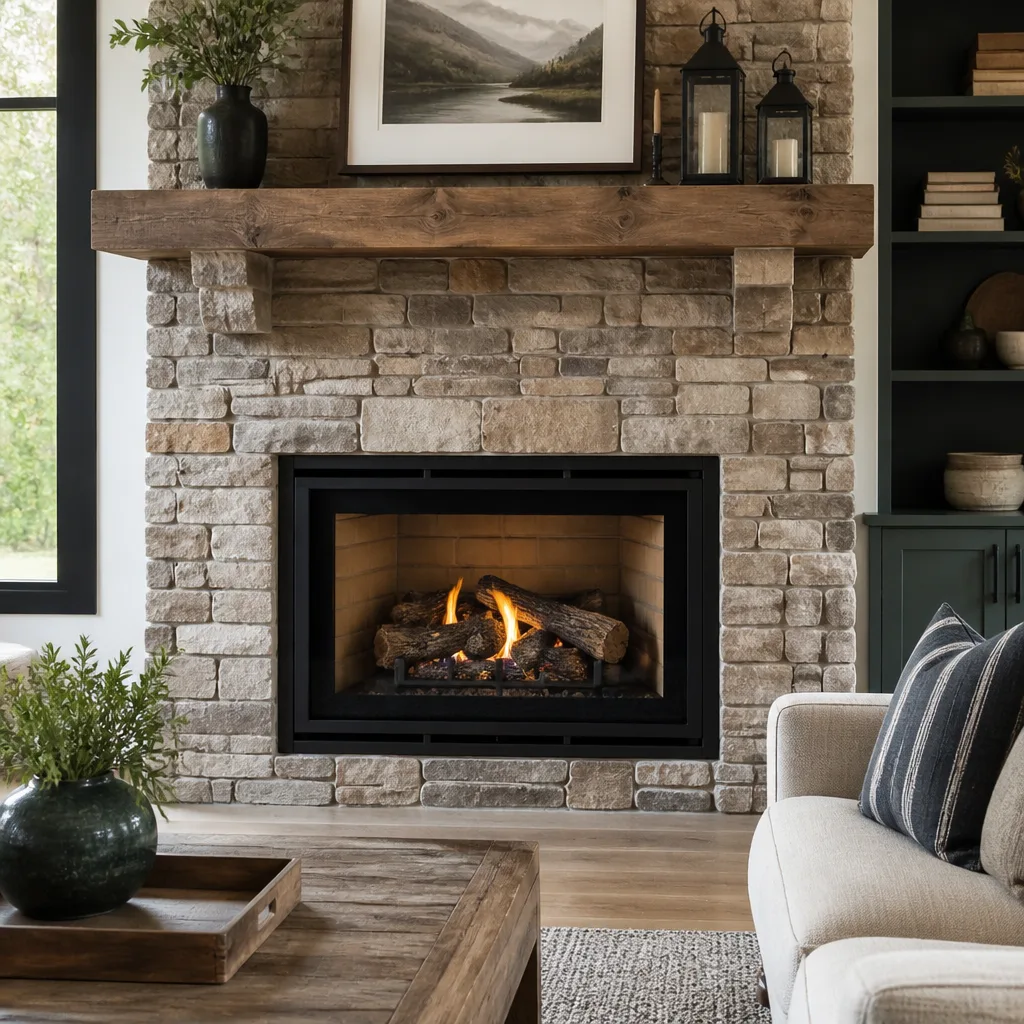 Gas fireplace service
Level 1 sweep and inspection to the NFPA 211 annual standard - flue, crown, cap, and flashing checked and photographed
Chimney sweep logs do not sweep chimneys. They loosen some creosote - which then falls where a brush and vacuum still have to collect it.
Chimney Cleaning Warning Signs: A West Roxbury Homeowner’s Reference Guide
The white staining on your chimney’s exterior brick isn’t just cosmetic. Efflorescence is a water-movement indicator. It means moisture is traveling through your masonry and evaporating on the surface, and the liner is the next thing in that moisture’s path. Most chimney problems announce themselves long before a failure, just quietly: a stain that spreads a little each winter, a fire that takes longer to catch, a smell in July that wasn’t there last year. West Roxbury homeowners normalize these small changes because nothing dramatic happens. This guide decodes what your chimney is actually telling you, room by room and season by season.
Quick Answer
The core warning signs of a chimney that needs cleaning or inspection are: visible soot or creosote buildup inside the flue, dark staining or efflorescence on exterior masonry, a loose or missing chimney cap, cracked or crumbling crown or flashing, a smoky fire that rolls back into the room, and unusual popping or cracking sounds during a burn. If you notice any one of these, schedule a professional inspection. If you notice several at once, or smell a strong creosote odor when the fireplace is unused, stop using the fireplace until a chimney sweep has inspected the flue.
Styles & brands we work with
- Sweep & inspection
- Caps & crowns
- Flue relining
- Masonry repair
- Gas fireplace service
Table of Contents
- What Your Chimney’s Exterior Is Telling You
- Cap and Flashing Signals You Should Never Ignore
- Firebox and Smoke Chamber: Interior Signs of Root Cause
- Performance Signals: Draft, Rollback, Slow Ignition, and Odor
- Sound Signals Most Homeowners Dismiss
- “Stop Using It” vs. “Schedule Service Soon”
- Seasonal Warning Signs in New England Climates
- Common Mistakes to Avoid
- When to Call a Professional
- Frequently Asked Questions
What Your Chimney’s Exterior Is Telling You
Start outside, standing back far enough to see the entire chimney stack. Exterior masonry gives you the earliest and clearest signals of what’s happening inside the flue. Brick absorbs moisture from rain, snowmelt, and interior condensation, and how that moisture exits the masonry is diagnostic.
White, powdery staining (efflorescence) means water is moving through the brick and evaporating on the surface, leaving mineral salts behind. It’s the chimney’s way of showing you where a water pathway has formed. Dark staining, by contrast, usually means combustion byproducts have escaped through a liner breach into the surrounding masonry. Both point to a liner that needs to be examined.
- White efflorescence in a band or patch – water finding a path through the brick; often around the crown or flashing.
- Dark streaking below the cap – draft or cap issue letting creosote-laden smoke condense on the outside of the stack.
- Spalling brick (faces flaking off) – repeated freeze-thaw cycles have saturated the brick; common on south-facing stacks in West Roxbury.
- Missing mortar joints or visible cracks – structural movement; the liner inside is often worse than the exterior suggests.
- A leaning or shaling crown – the concrete cap at the very top has failed, letting water straight down the flue.
What makes exterior signals tricky is that they’re cumulative. A small efflorescence patch in October may look twice as bad by March. If the staining grows noticeably across a single heating season, that’s a strong reason to have the flue scoped with a camera rather than assuming it’s just cosmetic.
Cap and Flashing Signals You Should Never Ignore
The chimney cap and the flashing where your chimney meets the roof are the two components that fail most often and are least visible from the ground. Together they keep out rain, snow, birds, squirrels, and the occasional squirrel that considers your flue a fireplace. When they fail, everything downstream is at risk.
A properly installed chimney cap & crown is your first line of defense. A cap that’s dented, rusted through, missing its mesh, or gone entirely invites water straight into the flue. That water then accelerates the breakdown of the clay liner tiles and drives the efflorescence you saw on the exterior.
- Look for a missing or damaged cap from the ground with binoculars, or have a sweep check it during the annual inspection.
- Check for rust on a stainless or painted cap – rust spots mean the cap is nearing end of life and should be replaced with a properly spec’d model.
- Inspect the cap’s mesh for animal damage, which is the leading cause of birds and squirrels in the flue.
- Check the flashing at the roofline for lifted edges, cracked sealant, or gaps where water can run behind the step flashing.
- Look at the crown – the concrete at the very top – for cracks wider than a hairline or a visible tilt.
Flashing failures show up as water stains on the ceiling near the chimney, peeling paint on the ceiling, or a damp smell in the room. If you see that, don’t wait for the next storm to confirm it. Have the flashing inspected before the next rain.
Firebox and Smoke Chamber: Interior Signs of Root Cause
Inside the firebox, the story is about what the flames have been doing to the masonry over time. Look inside the firebox with a flashlight when the fireplace is cold. What you see there tells you whether your chimney’s problem is mechanical, structural, or fuel-related.
- Crumbling mortar joints between firebrick – heat and moisture are degrading the firebox; the liner behind it is likely stressed too.
- White or gray deposits on firebrick – heat damage and moisture intrusion, not ash. This is not normal.
- Cracked firebrick – a structural problem that lets heat reach the surrounding masonry.
- Glassy, tar-like creosote (stage 3) – the most dangerous buildup; this is the flag that means “stop using the fireplace.”
- Loose or missing damper – a drafting and heat-loss problem that also lets cold air and animals in when the fireplace is unused.
Above the firebox, the smoke chamber (the tapered transition between firebox and flue) is the most overlooked part of the system. It’s where smoke slows down before entering the flue, and where creosote tends to accumulate unseen. If your fireplace smokes when you light it, the smoke chamber is a prime suspect. Inspections that don’t include the smoke chamber miss half the picture.
If you discover cracked firebrick or a damaged damper, fireplace repair is a job for a specialist who works with proper refractory materials, not a generalist patching it with mortar from the hardware store.
Performance Signals: Draft, Rollback, Slow Ignition, and Odor
Your fireplace talks to you through how it burns. If you’ve been lighting fires in the same firebox for years, you know what “normal” feels like – and any change from that normal is a signal worth decoding. Here’s how to tell whether the cause is mechanical, structural, or fuel-related.
- Smoke rollback into the room – usually a draft problem. Causes: a blocked or undersized flue, negative pressure in the house, or a smoke chamber that’s too shallow. Structural or mechanical.
- Slow ignition and weak flames – usually fuel-related. Wet wood, oversized logs, or a cold flue. Not a chimney defect, but worth fixing before you blame the flue.
- Smoke that lingers in the firebox – could be draft, could be a damaged damper, could be a flue that needs cleaning. Mechanical.
- Persistent creosote odor when the fireplace is unused – a strong signal that creosote has built up and is off-gassing, especially on warm humid days. Schedule a sweep.
- A “smoky smell” in summer only – classic New England pattern: the chimney is cool, outside air is warm and humid, and the flue reverses. Sometimes benign, sometimes a warning. An inspection sorts it out.
A quick self-test: crack a window in the same room as the fireplace, light a small fire, and see if the smoke behavior improves. If it does, you have a pressure problem inside the house, not necessarily a chimney defect. If it doesn’t improve, the flue needs to be inspected.
Sound Signals Most Homeowners Dismiss
Chimneys make noise. Most of it is normal. But three categories of sound deserve attention because each maps to a specific, diagnosable problem.
- Popping and crackling during a burn (beyond normal wood crackle) is a sign of moisture in the wood or, more seriously, of water in the masonry flashing off. If it happens consistently with dry, seasoned wood, have the flue inspected.
- Ticking or clicking after the fire dies is usually normal thermal contraction, but if it started suddenly this season or is louder than before, it can indicate a liner tile has loosened.
- Scratching, rustling, or flapping sounds when the fireplace is unused are animal sounds – birds, squirrels, or raccoons in the flue. A missing or damaged cap is almost always the cause. Get it capped before the animal decides to stay.
Less common but worth knowing: a low whistling sound when it’s windy outside usually means a draft issue at the cap or a poorly sealed damper. And a gurgling or dripping sound with no rain is a water-intrusion signal from the flashing or crown.
Animal sounds in particular get dismissed because homeowners assume “they’ll leave.” They often don’t, and a nest in the flue is a fire hazard and a carbon monoxide risk when the fireplace is in use. Cap it, then sweep it.
“Stop Using It” vs. “Schedule Service Soon”
The most important judgment call in this whole guide is distinguishing a “stop now” sign from a “schedule soon” sign. Getting this wrong in either direction is a problem – one wastes money, the other risks safety.
Stop using the fireplace and call for inspection before the next burn if you notice any of the following:
- Stage 3 (glassy, tar-like) creosote visible in the flue or firebox.
- Dark staining on the exterior masonry suggesting a liner breach.
- Smoke rollback that doesn’t improve with a cracked window.
- A strong creosote smell whenever the fireplace is warm or the weather is humid.
- Cracked or crumbling firebrick with visible gaps.
- A chimney fire has happened (even a small one you put out yourself).
Schedule service within the next few weeks if you notice:
- Efflorescence on the exterior with no dark staining.
- A cap that’s rusted, dented, or missing its mesh.
- Slow ignition with seasoned wood.
- Persistent draft problems that get better with a window cracked.
- A damper that’s stiff or doesn’t seal.
- Animal sounds that stopped on their own (the nest is still there).
When in doubt, err toward inspection. An inspection is cheap compared to the repair it can prevent. On any inspection, we provide camera evidence and a photo report so you can see exactly what we see – no recommended work without visual proof you can review yourself.
Seasonal Warning Signs in New England Climates
Some chimney warning signs only appear at certain times of year in West Roxbury and the surrounding neighborhoods like Roslindale, Jamaica Plain, and Dedham. Catching them requires knowing when to look.
Fall (before burning season): This is the ideal inspection window. The chimney has been dormant all summer, the flue is dry, and any creosote from last season is stable enough to be examined and cleaned. If you’re going to sweep once a year, this is when. Cap and flashing problems are easiest to see and fix before the first snow.
Winter (during burning season): Watch for changes in how the fire behaves – slow ignition, smoke, unusual sounds. Freeze-thaw cycles put stress on exterior masonry, so any efflorescence or spalling you see in mid-winter is a sign the water pathway is active now, not just historical.
Spring (after the last fire): A second important inspection window. Spring rain is when flashing failures show up as ceiling stains. Creosote odor becomes noticeable on humid days, which is often the first signal a homeowner gets that buildup is significant. If you skipped the fall sweep, spring is the backup window.
Summer (the “off season”): The classic New England reverse-draft smell – fireplace hasn’t been used in months, the chimney is cold, and warm humid air pushes a smoky smell into the room. It’s often benign. It’s also when we find many of the most advanced creosote accumulations, because the smell is the only sign the homeowner got all year.
For a more detailed breakdown of inspection timing and what a thorough inspection covers, see our guide on Chimney Sweep West Roxbury, which walks through the full annual maintenance cycle.
Common Mistakes to Avoid
- Assuming white staining is just cosmetic. Efflorescence is a water-movement indicator. Treat it as a lead to investigate, not a cosmetic issue to paint over.
- Burning “seasoned” wood that isn’t actually dry. Wet wood drives creosote buildup faster than anything else. Get a moisture meter or buy from a supplier that guarantees kiln-dried wood.
- Skipping the sweep because the fire “still works.” A chimney can be full of creosote and still draft fine – until it doesn’t. Function is not the same as safety.
- Hiring a generalist handyman to inspect the flue. Chimney work requires chimney-specific tools, cameras, and materials. A handyman can install a cap; he can’t properly scope a liner or spec a HeatShield restoration.
- Ignoring animal sounds. A flue with a nest in it is a fire and carbon monoxide hazard. Cap the chimney, then sweep it.
- Not knowing the difference between stop-use and schedule-soon signs. This guide exists specifically so you can make that call. When in doubt, don’t burn.
- Waiting for a smell or a stain before scheduling an inspection. The most expensive repairs we see in West Roxbury started as small, silent problems that a routine inspection would have caught.
When to Call a Professional
Call for a professional inspection if you notice any “stop-use” sign from the section above, if it’s been more than a year since your last sweep, if you’ve moved into a home with a fireplace of unknown service history, or if you’re buying or selling a home and need a standalone inspection report for a real estate transaction or insurer. Call if you’ve had a chimney fire, even a minor one. Call if a cap is missing or the flashing has failed, so the fix happens before the next weather cycle. And call if you’ve simply noticed a change in your fireplace’s behavior this season that you can’t explain – a change in draft, a stain that’s growing, a smell that’s new.
Chimney Sweep West Roxbury offers free estimates in West Roxbury. Call (833) 991-9334. We answer 24/7, with fast dispatch from 7am to 7pm, Sunday through Friday.
Frequently Asked Questions
The earliest reliable signs are a smoky smell when the fireplace is unused, slow ignition with wood you know is dry, and a visible dark or white stain on the exterior brick. Creosote buildup often announces itself through performance changes before it’s visibly obvious. Call (833) 991-9334 for an exact inspection appointment – the estimate is free.
The industry standard is once a year for a wood-burning fireplace that gets regular use, and more often if you burn frequently or notice performance changes mid-season. West Roxbury’s cold winters mean most households burn heavily from November through March, so a fall sweep before the season starts is the safest schedule. Call (833) 991-9334 to book before burning season.
A standard sweep typically lands in the low-to-mid hundreds of dollars, and an inspection is often included or added at modest cost – but we don’t quote over the phone because every chimney is different. You’ll get a written estimate before any work starts. Call (833) 991-9334 for an exact quote – estimates are free.
Yes, unless you also see dark staining, smoke rollback, or a strong creosote odor – those combination signals mean stop and inspect first. White efflorescence alone means moisture is moving through the masonry but doesn’t by itself establish a liner breach. Have it inspected before the next burning season. Call (833) 991-9334 to schedule.
Popping beyond normal wood crackle usually means moisture in the wood or water in the masonry flashing off during a burn – both are worth investigating. If the sound started recently or happens consistently with dry, seasoned wood, schedule an inspection. Call (833) 991-9334 for a diagnostic visit.
Yes. Creosote builds up whether or not the fireplace is used, moisture intrusion continues in the off-season, and animals move into uncapped flues while you’re not burning. An annual inspection is the only way to catch a problem before it becomes a repair. Chimney Sweep West Roxbury offers standalone inspections for exactly this reason. Call (833) 991-9334 for an exact appointment.
The Bottom Line
Chimney warning signs are rarely dramatic. They’re a stain that grows a little each winter, a fire that takes an extra match to catch, a smell in July. The skill is in knowing which signals mean “schedule service” and which mean “stop burning until an inspector sees this.” White efflorescence, a worn cap, a slow-drafting fire, and the occasional animal sound are all schedule-soon signals. Dark staining, glassy creosote, smoke rollback, and cracked firebrick are stop-now. If you catch the small signs early – ideally during a fall inspection, before burning season – most of them stay small. That’s the entire point of a reference guide like this one.
If any of what you read here matches what you’re seeing at home, call Chimney Sweep West Roxbury at (833) 991-9334. We answer 24/7, with fast dispatch from 7am to 7pm, Sunday through Friday. The estimate is free, the written estimate sets the final price, and nothing is recommended until you’ve seen the camera evidence yourself.
Written by the team at Chimney Sweep West Roxbury.
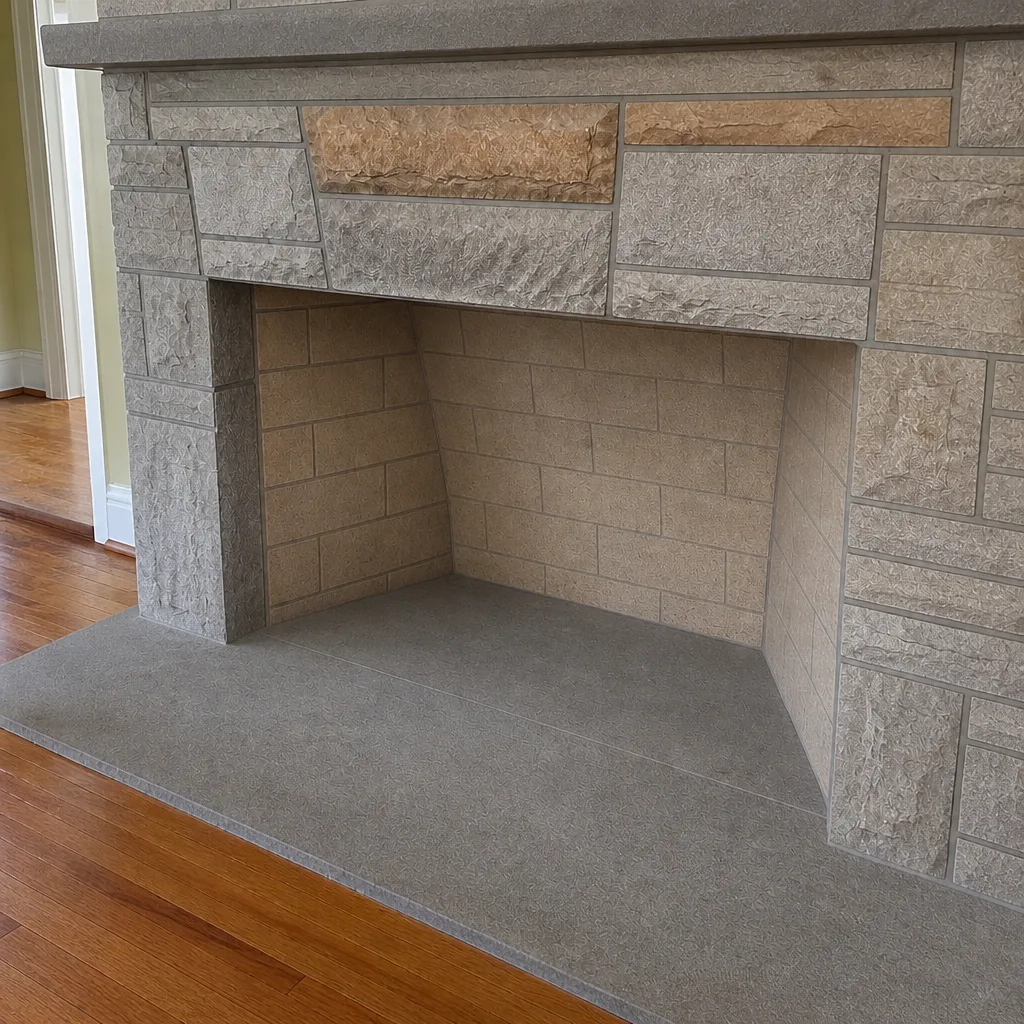
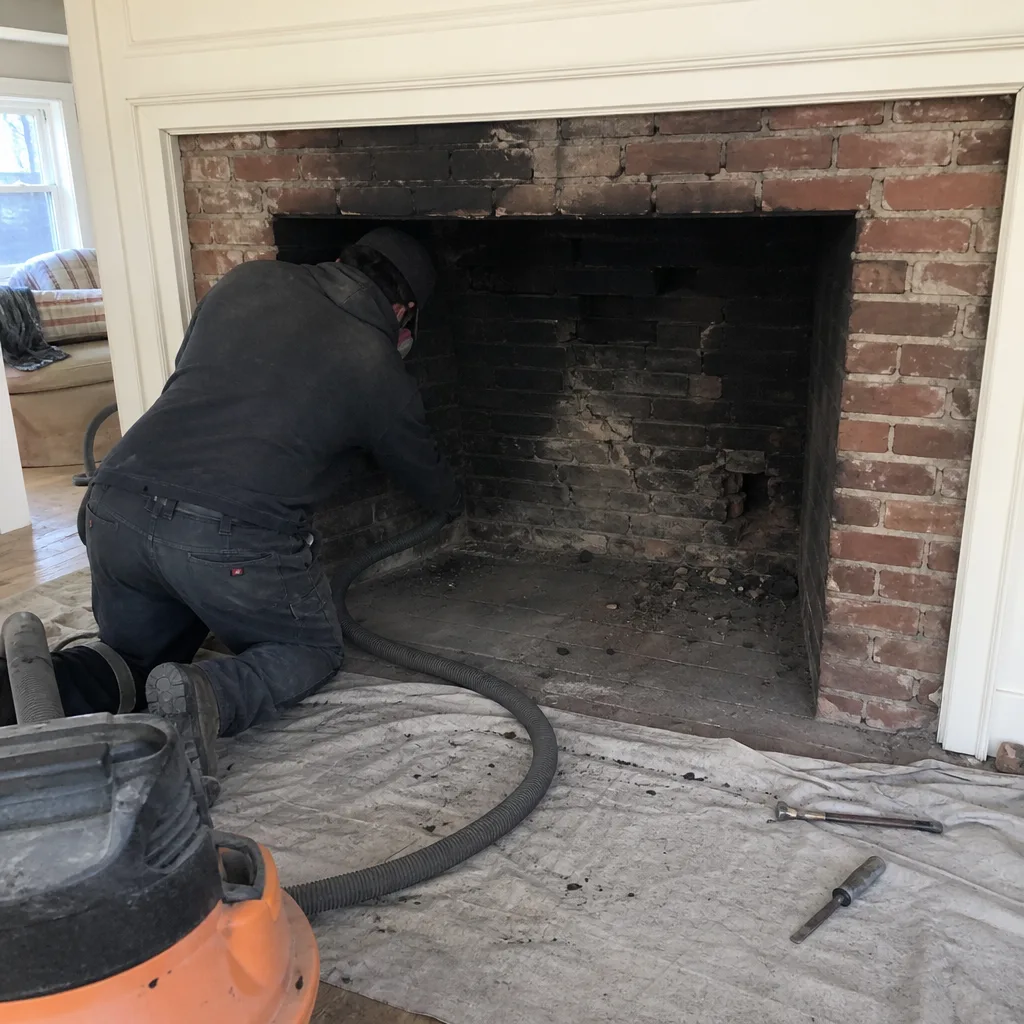
See the difference
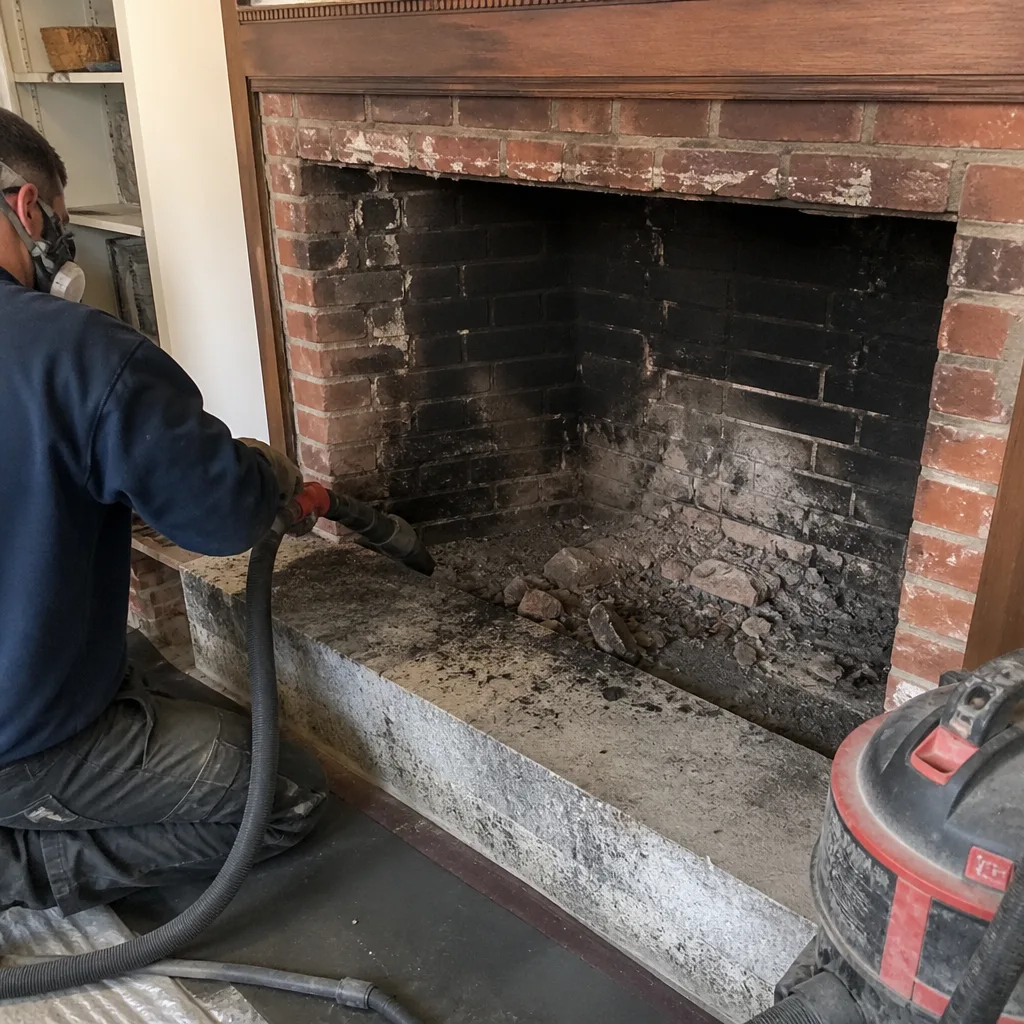 Before
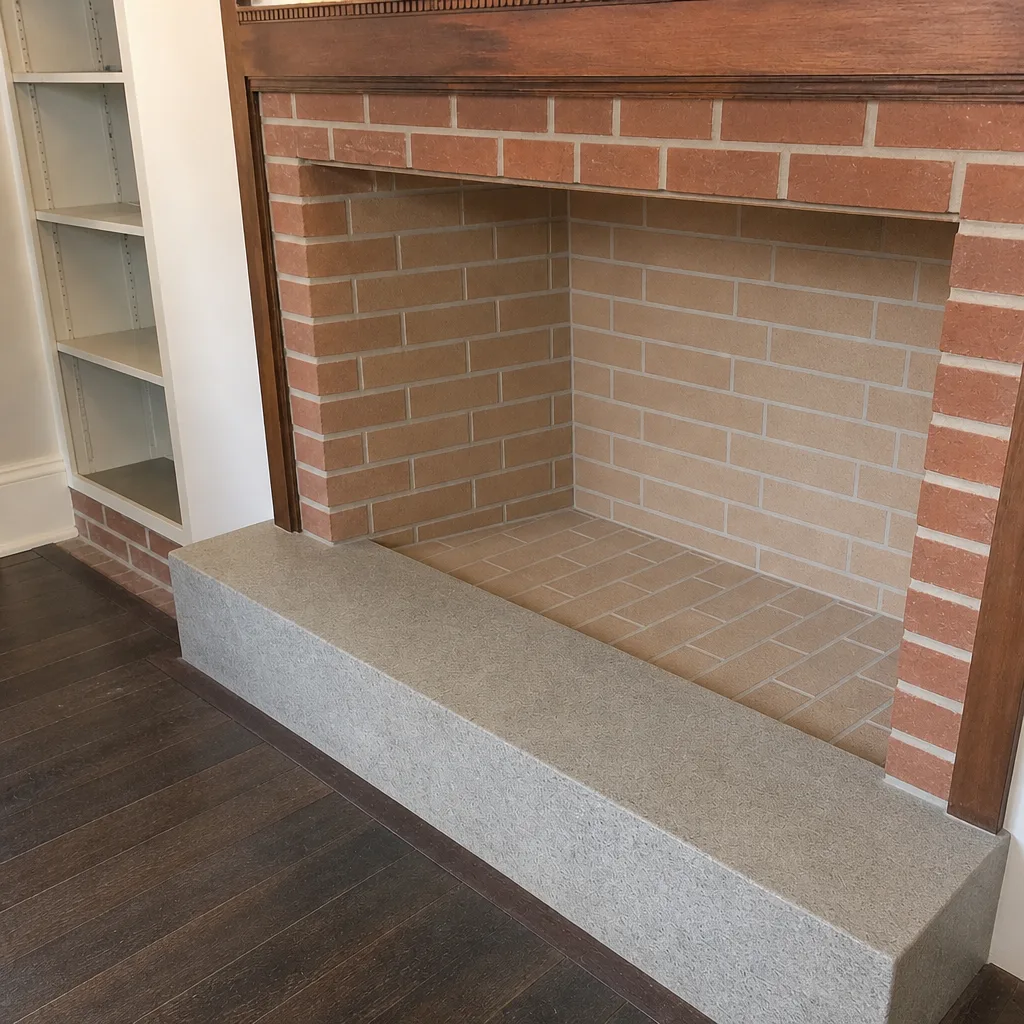 After
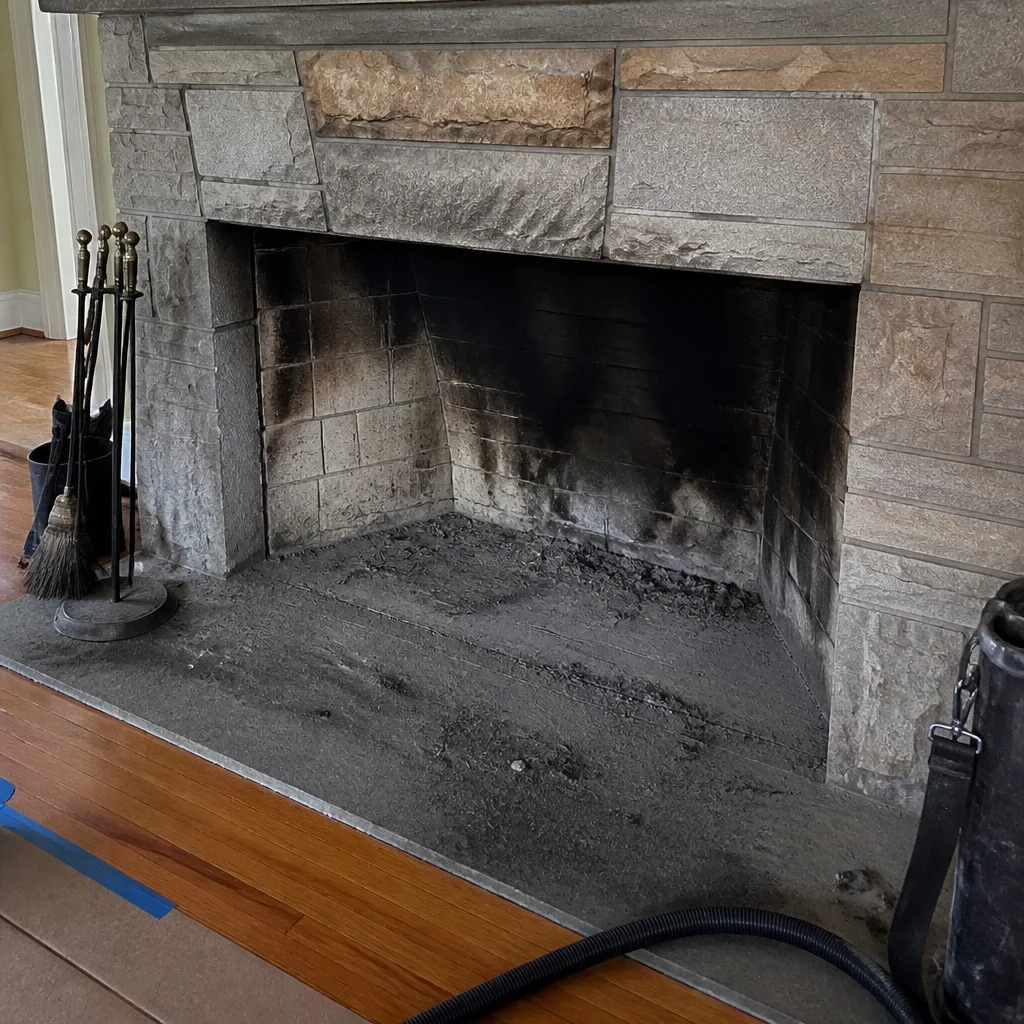 Before
 After
 Before
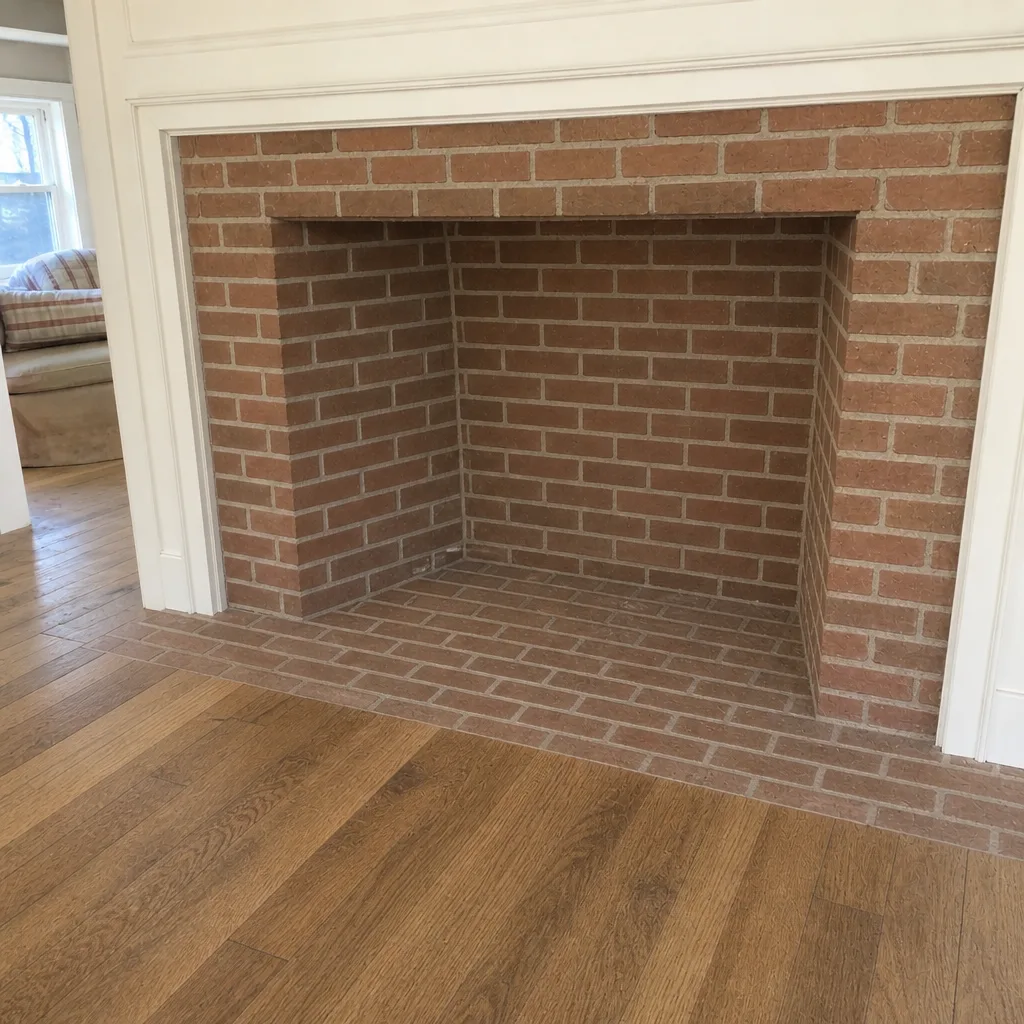 After