
Last updated November 25, 2026
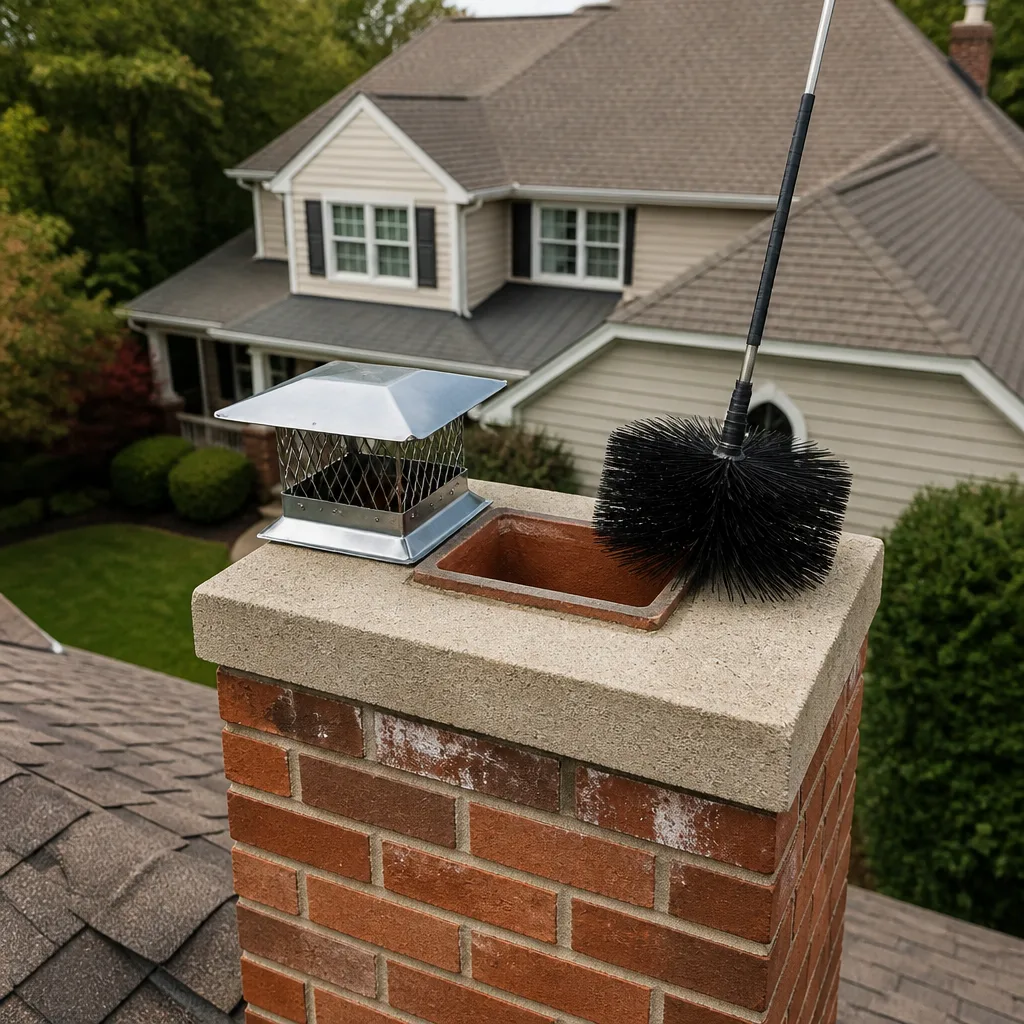 Sweep & inspection
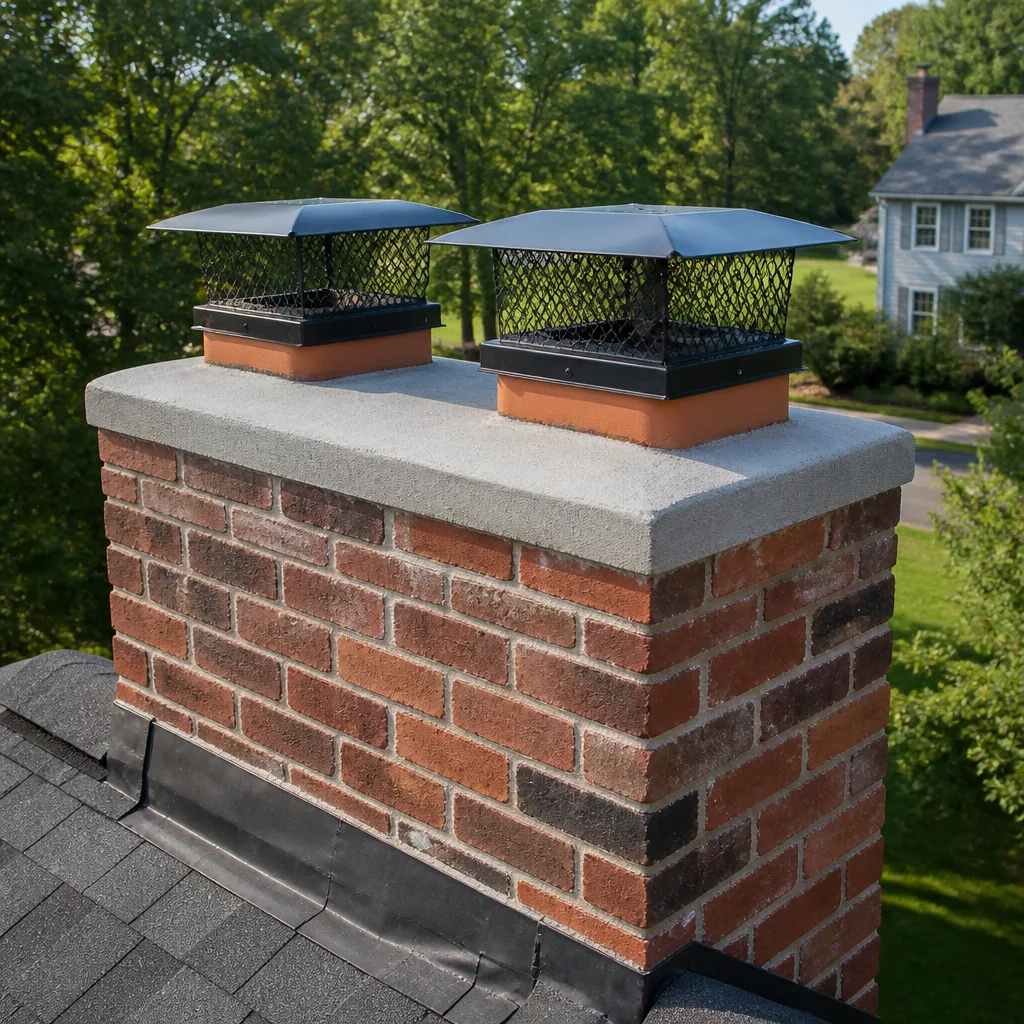 Caps & crowns
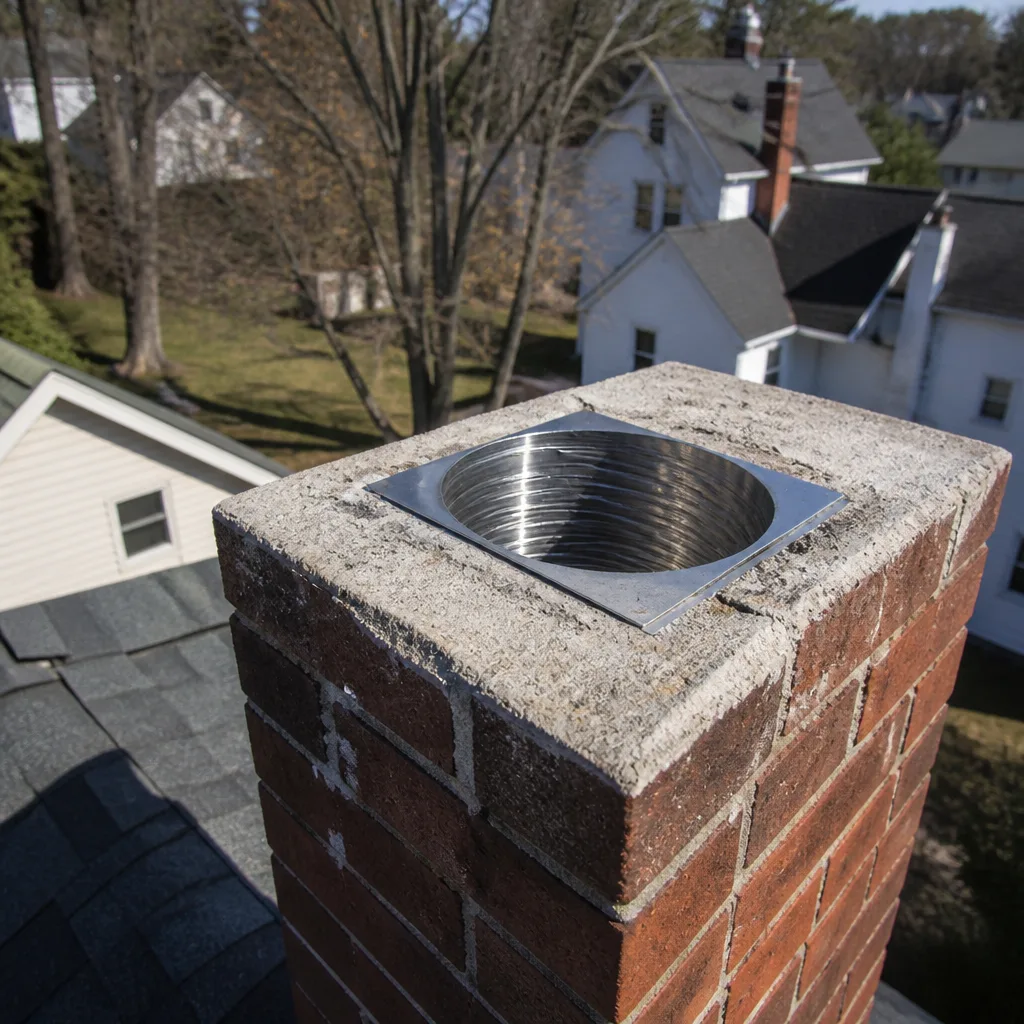 Flue relining
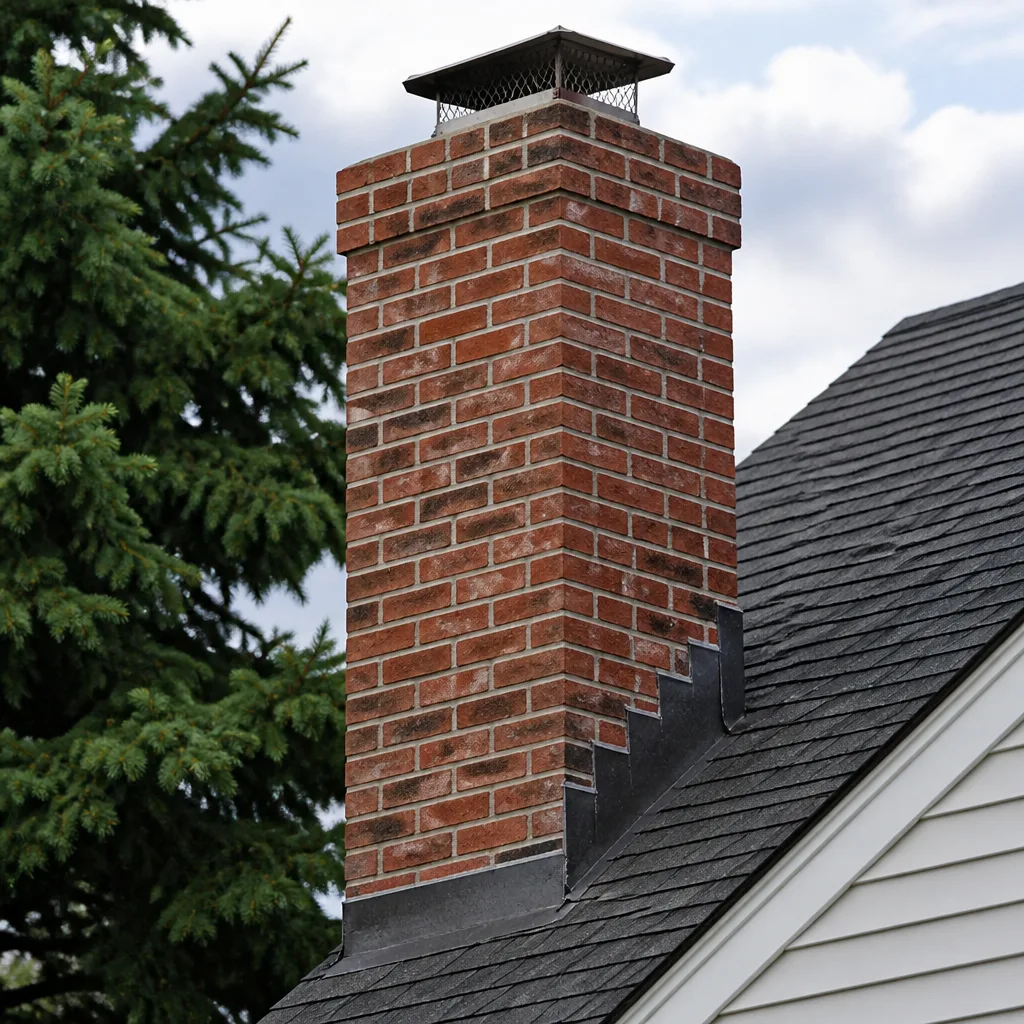 Masonry repair
 Gas fireplace service
Level 1 sweep and inspection to the NFPA 211 annual standard - flue, crown, cap, and flashing checked and photographed
Chimney sweep logs do not sweep chimneys. They loosen some creosote - which then falls where a brush and vacuum still have to collect it.
Chimney Sweep Maintenance Checklist for West Roxbury Homeowners
The standard advice – “get your chimney swept once a year” – was never meant to replace thinking. It was meant for homeowners who weren’t thinking at all. Here’s the version for people who actually want to stay ahead of problems.
A checklist only protects you if it’s calibrated to your specific chimney system, your burn habits, and the weather this part of New England throws at your roof. A clay-tile flue in a 1920s West Roxbury colonial ages nothing like a modern stainless liner in a newer build off Centre Street. This guide walks through every component, what failure looks like at each one, which items are red lines and which can wait, and how to track it all year over year.
Quick Answer
A chimney maintenance checklist for West Roxbury homeowners should cover seven components – cap, crown, flashing, liner, firebox, damper, and smoke chamber – plus burn habits and post-storm inspection. Check the cap and crown visually each season, schedule a professional sweep and inspection based on how much you actually burn, and treat cracked flue tiles, a damaged crown, or a non-sealing damper as stop-use items until a specialist evaluates them. The calendar matters less than the condition of each part.
Styles & brands we work with
- Sweep & inspection
- Caps & crowns
- Flue relining
- Masonry repair
- Gas fireplace service
Table of Contents
- How a Chimney Maintenance Checklist Differs From an Annual Reminder
- The Cap: Your First Line of Defense
- The Crown and Flashing: Where Water Gets In
- The Liner: The Part You Can’t See Until It Fails
- Firebox, Damper, and Smoke Chamber
- Burn Habits: The Variable Nobody Factors In
- Post-Storm Inspection After New England Weather
- Red-Line Items vs. Items That Can Wait
- How to Document Your Chimney Year Over Year
How a Chimney Maintenance Checklist Differs From an Annual Reminder
Chimneys don’t fail on a schedule. They fail component by component, and each component has its own clock. A cast crown that’s spalling after a hard freeze-thaw winter is an urgent water intrusion problem even if your last sweep was six months ago. A damper that no longer seats properly is letting heated air escape all winter whether or not it’s “time” for a cleaning. The annual reminder treats every chimney the same. A real checklist calibrates to what’s actually happening on your roof.
In West Roxbury, that calibration matters. The housing stock here runs from early 20th-century colonials and capes near the Arnold Arboretum edge to mid-century ranches and newer construction along the VFW Parkway corridor. Each era used different flue materials, different firebox construction, and different crown designs. A 1920s brick chimney with original clay tiles behaves nothing like a 1990s chimney with a factory-built firebox and metal flue. The components are the same list; the failure points are not.
Here’s how we think about it. Your chimney is a system, and each part has a job:
- Cap – keeps water, animals, and debris out of the flue
- Crown – sheds water off the top of the masonry
- Flashing – seals the joint where the chimney meets the roof
- Liner – contains combustion gases and protects the surrounding structure
- Firebox – holds the fire and takes the most direct heat
- Damper – controls airflow and seals the flue when not in use
- Smoke chamber – the transition zone that guides smoke from the firebox into the flue
When one part weakens, the others take on stress they weren’t designed for. That’s the thinking a calendar-based reminder skips entirely.
The Cap: Your First Line of Defense
The cap is the most inspected and most neglected part of a chimney at the same time. It sits on top, gets hit by every storm, and most homeowners never look at it. A proper cap does three jobs: it keeps rain out of the flue, it keeps birds and squirrels from nesting inside, and with a spark-arresting screen, it keeps embers from landing on the roof.
What failure looks like at the cap:
- Rust-through on a metal cap – pinholes or flaking paint that progress to actual holes within a few seasons
- Loose or missing screen – the number one reason you hear scratching or flapping in the flue
- Bent or collapsed cap – usually from a fallen branch or ice slide off the roof above
- Missing cap entirely – common on older West Roxbury homes where the original cap was never replaced
A missing or compromised cap means water runs straight down the flue. That water attacks the liner from the inside out, and in clay-tile flues it accelerates spalling. It also means wind-driven rain gets into the smoke chamber and firebox, which is where rust on the damper starts. When we install a chimney cap & crown, we spec stainless multi-flue caps for longevity rather than painted steel that will need replacing in a decade.
Check your cap from the ground with binoculars once in the fall and once in the spring. Anything that looks askew, discolored at the seams, or missing its screen is worth a look from someone standing on the roof.
The Crown and Flashing: Where Water Gets In
Water damage causes more chimney repairs than fire does. That’s not an alarmist statement; it’s simply what shows up on inspection when a chimney that hasn’t had a fire problem in decades still needs work. Two components handle almost all of that defense: the crown and the flashing.
The crown is the concrete or mortar cap that sits on top of the masonry column and slopes away from the flue. Its entire purpose is to shed water off the sides of the chimney rather than down the interior. A failing crown has visible cracks wider than a hairline, crumbling edges, or visible moss growth (which means it’s staying wet). When the crown fails, water enters the masonry from above.
Freeze-thaw cycles are what do the damage here. Water gets into a small crack in the crown or the brick joint just below it. Overnight it freezes, expands, and widens the crack. In a West Roxbury winter that can happen a dozen times in a single season, and after a few winters you have spalling brick, a crumbling crown, and water showing up at the top of the firebox. This pattern is common in the older masonry chimneys around Bellevue Hill and along LaGrange Street, where original mortar hasn’t been repointed in decades.
Flashing is the metal that seals the joint between the chimney and the roof. Failure here shows up as:
- Water staining on the ceiling near the chimney
- Rusted or lifted flashing collars
- Missing mortar in the counter-flashing groove
- Water in the attic after a wind-driven rain
Flashing repair is sometimes outside a chimney specialist’s scope, but a good chimney inspection flags it so you know what to do next. We’ll tell you when a flashing problem is ours to fix and when it needs a roofer.
The Liner: The Part You Can’t See Until It Fails
The liner is the most consequential part of your chimney and the one you have the least direct access to. In older West Roxbury homes, that’s usually a clay-tile liner laid in sections with mortar joints between them. In newer construction, it may be a metal liner. Either way, its job is the same: contain hot combustion gases and keep them from reaching the wood framing and masonry around it.
What clay-tile failure looks like – most of which is only visible on camera:
- Spalling tiles – chunks of tile flaking off, usually from moisture and thermal shock
- Cracked or separated joints – the mortar between tiles opening up
- Missing tile sections – gaps in the flue where gases can escape into the masonry
- Off-set or shifted tiles – the liner is no longer a straight path, which affects draft
None of that is visible from inside the house. It’s why we run a camera down the flue on every inspection and show the homeowner the footage. A homeowner should be able to see the problem for themselves, not just take our word that a repair is needed.
When a clay-tile liner is failing, there are two repair routes. One is a full reline, and we work with flexible stainless systems like Olympia Chimney for that. The other, when the tiles are deteriorated but structurally still in place, is HeatShield resurfacing – a restoration method that smooths and seals the interior of the existing flue rather than demolishing it. Which one is right depends on the condition of the tiles and the appliance being vented. That’s a conversation worth having with a specialist who does both.
Firebox, Damper, and Smoke Chamber
These three components sit inside the house and get the most use and the least attention. They’re also the ones with real safety stakes when they fail.
The firebox is the brick or refractory panel box where the fire burns. Heat and thermal cycling are hard on it. Failure looks like cracks in the brickwork, crumbling mortar joints between firebricks, or gaps at the corners that let heat and embers reach the structure behind. Small hairline cracks in the firebrick are often normal. Cracks wide enough to slide a coin into are not.
The damper is the metal plate above the firebox that opens for a fire and closes to seal the flue. Failure looks like:
- A damper that no longer opens fully (draft problems, smoke in the room)
- A damper that no longer closes (heat loss, cold air infiltration, and a drafty fireplace all winter)
- A rusted or warped damper plate from years of moisture
- A broken damper handle or pivot
A non-sealing damper is one of the most common complaints we hear from West Roxbury homeowners in January, and one of the cheapest fixes on this list when it’s caught early.
The smoke chamber is the sloped area between the top of the firebox and the bottom of the flue. It’s usually corbelled brick, which means the surfaces facing the smoke are rough and irregular. Creosote and soot build up on those surfaces easily, and rough corbelling creates turbulence that slows smoke and can lead to poor draft. In older chimneys, the smoke chamber is also the most common place for heat-driven stress cracks to develop. In our experience, the smoke chamber is the part of the chimney that most homeowners have never given a thought to, and the part that most often has something worth flagging when we get eyes on it.
We also address fireplace repair at the firebox and damper level, since those are the parts you actually interact with when you use the fireplace.
Burn Habits: The Variable Nobody Factors In
The generic “sweep once a year” advice makes more sense if you burn one cord a season through a classic open fireplace. If you’re running a wood stove as a serious heat source, or you’re a weekend burner who only uses the fireplace on cold evenings, your cleaning interval should change. Sweep frequency should follow your burn, not the calendar.
The factors that move the needle:
- Volume of wood burned – a household burning two cords or more should be inspected more frequently than a household burning a face cord
- How the fire is run – slow smoldering fires (dampers partially closed, wet wood) create far more creosote than hot, well-ventilated fires
- Wood species and seasoning – hardwood and softwood produce creosote at different rates, and unseasoned wood is a creosote engine regardless of species
- Type of appliance – a wood stove runs hotter and produces different creosote than an open fireplace, and it often accumulates buildup faster in a restricted flue
In West Roxbury, where a lot of homes use fireplaces as supplemental heat through the coldest stretches each January and February, that volume adds up quickly. A homeowner burning two cords a year through an open fireplace will likely need more than one sweep per season. A homeowner burning six fires a year through the same fireplace probably won’t.
Creosote is the concern. It builds in three stages: light soot (easy to remove), harder crusty deposits, and glazed, hardened creosote that’s much more difficult and dangerous. Glazed creosote is flammable, and it’s the primary fuel source in a chimney fire. That’s not a scare tactic; it’s the reason annual inspection exists.
Post-Storm Inspection After New England Weather
West Roxbury gets the full New England package: nor’easters with wind-driven rain, heavy snowpack, and repeated freeze-thaw cycles from December through March. That combination creates a specific set of post-storm inspection items that don’t show up on a generic checklist.
After any significant winter storm or sustained freeze event, look for:
- Ice damming at the crown – water freezing at the top of the chimney before it can drain, which can force its way into hairline cracks in the crown
- Spalled brick faces – the flat face of a brick popping off, usually a sign that freeze-thaw is working inside the masonry
- Water staining on the damper or firebox walls – a sign of wind-driven rain getting past a failing cap or a crack in the crown
- Snow or ice inside the firebox – usually means the cap or crown is missing or blocked, or the damper doesn’t seal
- Loose flashing at the roofline – wind can lift flashing collars, especially on older chimneys
- Discolored brick or mortar – a wet chimney looks distinctly darker than a dry one after snowmelt
Spring is the natural window for a full inspection because winter damage is at its most visible after the last freeze. If your chimney shows any of the items above, that’s worth a call before the next heating season rather than after.
Red-Line Items vs. Items That Can Wait
A checklist isn’t useful if everything on it looks equally urgent. The point of a good checklist is to separate “stop using the fireplace” from “put this on the list for your next service.”
Stop using the fireplace until a specialist evaluates the chimney if you see:
- Cracked or missing flue tiles visible on camera, or gaps in the liner (combustion gases and heat are escaping into the masonry)
- A cracked or crumbling firebox back wall, or missing mortar joints between firebricks
- Visible glazed creosote on the flue walls (a real chimney fire risk)
- A crown that’s crumbling or has cracks hiding the flue (water is going into the top of the chimney)
- A damper that no longer opens fully and produces smoke in the room
- Rust or water staining inside the firebox or on the damper (water intrusion is already happening)
- Any smell of smoke inside the house when no fire is burning (a backdraft or liner issue)
Can wait for the next scheduled service if you see:
- Light soot buildup on the firebox walls with no cracks
- A damper that seals but sticks slightly
- Mild rust spots on a cap that has no holes
- Hairline cracks in firebrick with no displacement
- A missing cap screen but an intact cap body (get it fixed, but it’s not a same-day call)
The line between these two lists is the whole point of having a specialist walk through your chimney. Without camera inspection, “cracked tile” and “hairline crack in firebrick” can look interchangeable from inside the house. They aren’t.
How to Document Your Chimney Year Over Year
The single best thing you can do for your chimney is to have a baseline of what it looks like today. A small visual change only becomes a trend when you have something to compare against. Without that, every inspection starts from scratch and every problem looks new.
Build the record this way:
- Get a camera inspection and ask for the photos and video – the flue interior, the crown, the cap, the firebox, and the smoke chamber. Good inspections produce a photo report as a matter of course.
- Write down the date and the burn volume for the season since the last inspection (rough cord count, appliance type, wood species).
- Store the photos somewhere you’ll find them again – a shared folder, a labeled cloud album, anything that survives a phone upgrade.
- Take a set of your own exterior photos each fall from the ground with your phone’s zoom – top of the chimney, flashing at the roof, sides of the masonry. They’re not a substitute for a pro inspection, but they’re a solid baseline.
- Compare year over year – the question isn’t “is there damage?” but “is this damage larger than last year?”
That comparison is what lets you tell the difference between a crown with a stable hairline crack that’s been there for five years and a crown that cracked wide this winter. Trends become visible before emergencies do, and you make better decisions with two data points than one.
When we do an inspection at Chimney Sweep West Roxbury, we include the photo report so this record keeps building. It’s also useful at resale or when your insurer asks for documentation of chimney condition.
Common Mistakes to Avoid
- Treating “sweep once a year” as if it were the same as “inspect once a year.” Sweeping removes soot and creosote. It doesn’t evaluate the liner, the crown, the flashing, or the smoke chamber. Ask for both.
- Skipping the camera inspection to save time. About half the problems we flag aren’t visible without a camera. If your technician doesn’t offer to show you the footage, ask for it.
- Burning unseasoned wood because it’s what’s available. Wet wood smolders, cools the flue, and lays down creosote far faster than dry wood. In West Roxbury, ask for seasoned hardwood with a low moisture reading and store it under cover.
- Ignoring a damper that no longer closes. A non-sealing damper pulls your winter heat up the flue all season and lets moisture in from the top. It’s a cheap fix early and a bigger one later.
- Assuming “the chimney looks fine from the yard.” The most consequential damage is on the inside of the flue and inside the smoke chamber, both of which are invisible from the ground.
- Letting a small crown crack go through a couple of winters. Freeze-thaw turns hairline cracks into spalled brick and water in the firebox within a few seasons. The repair gets larger every winter.
- Not documenting anything. Without photos and notes year over year, you lose the ability to see whether a problem is stable or growing.
See the difference
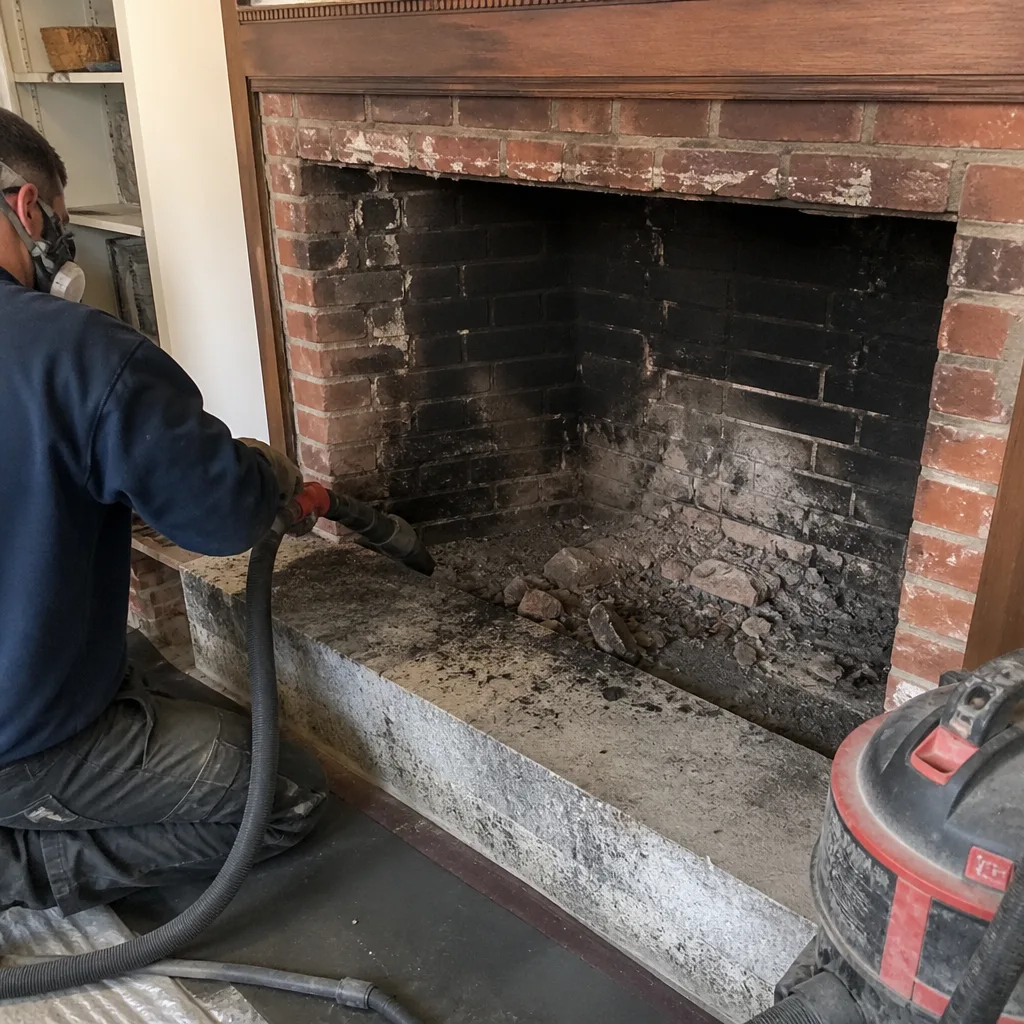 Before
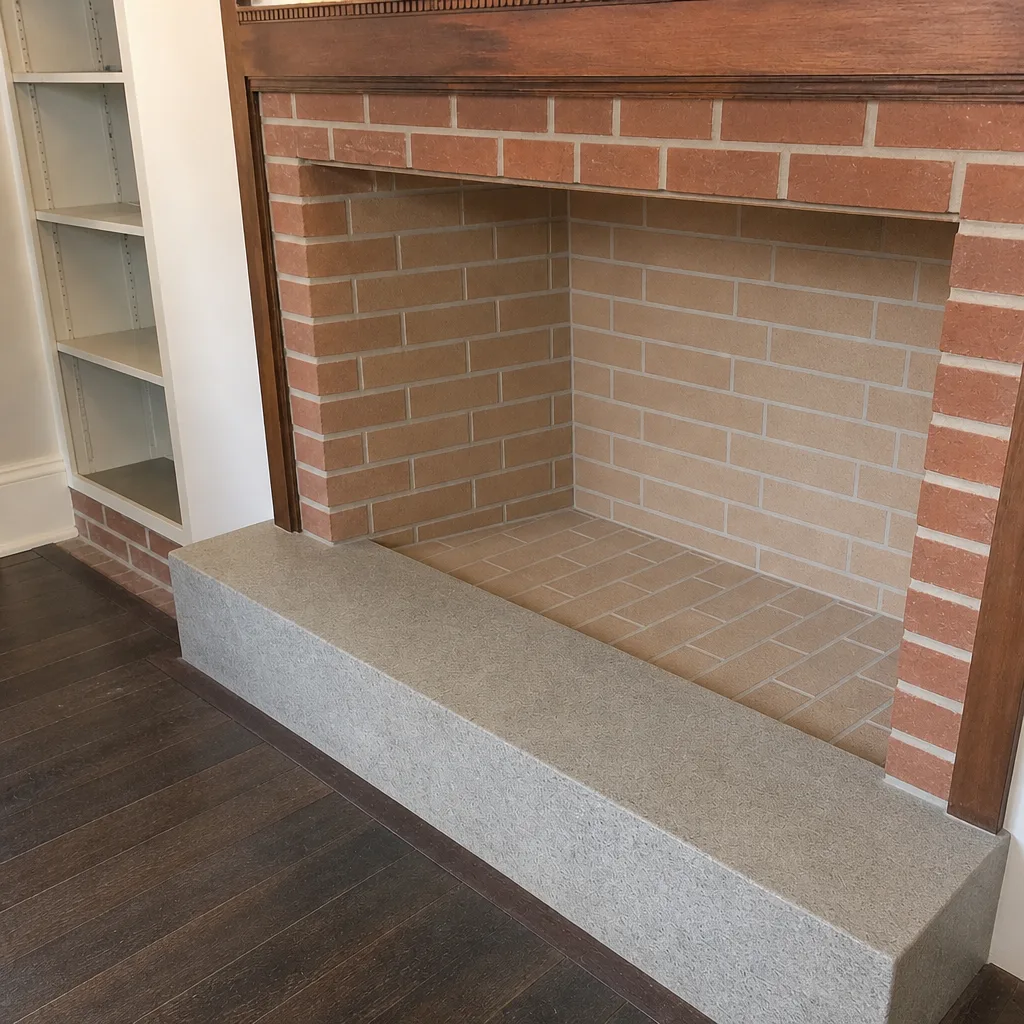 After
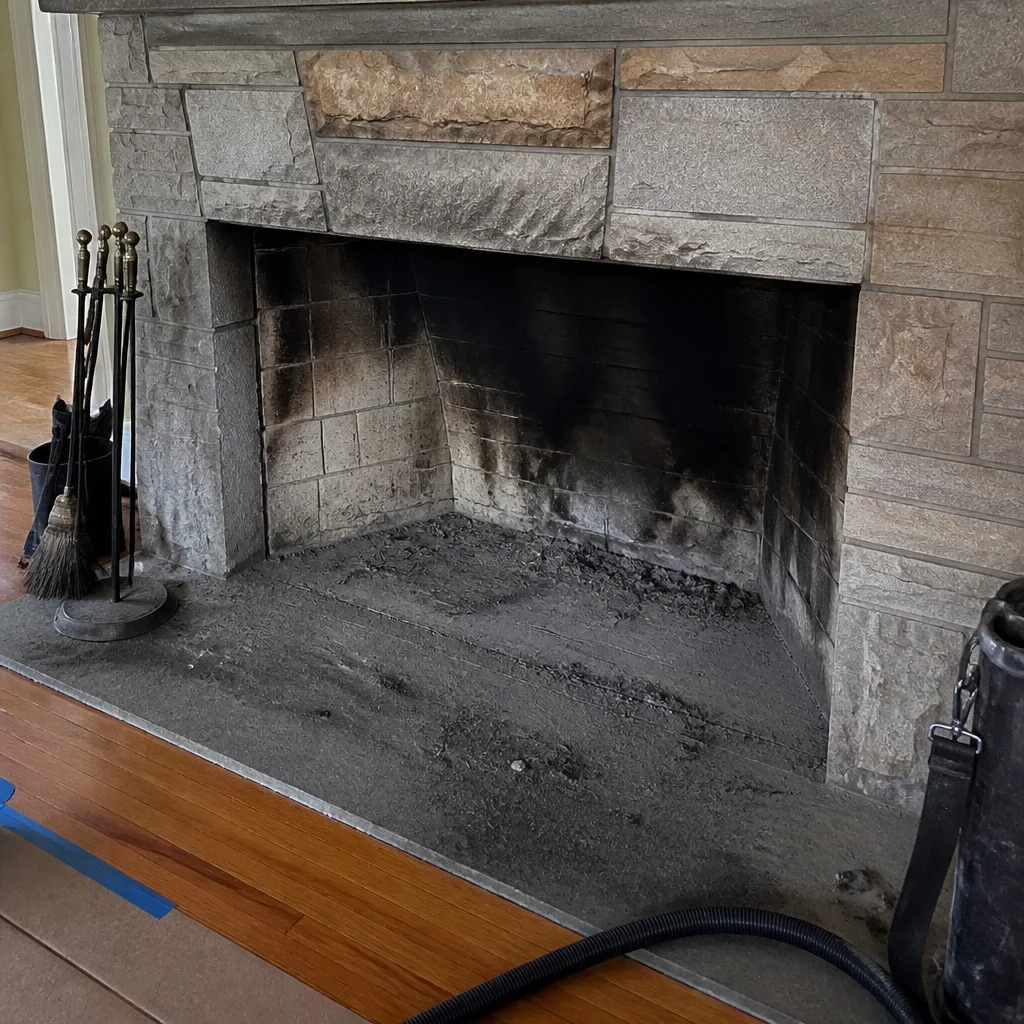 Before
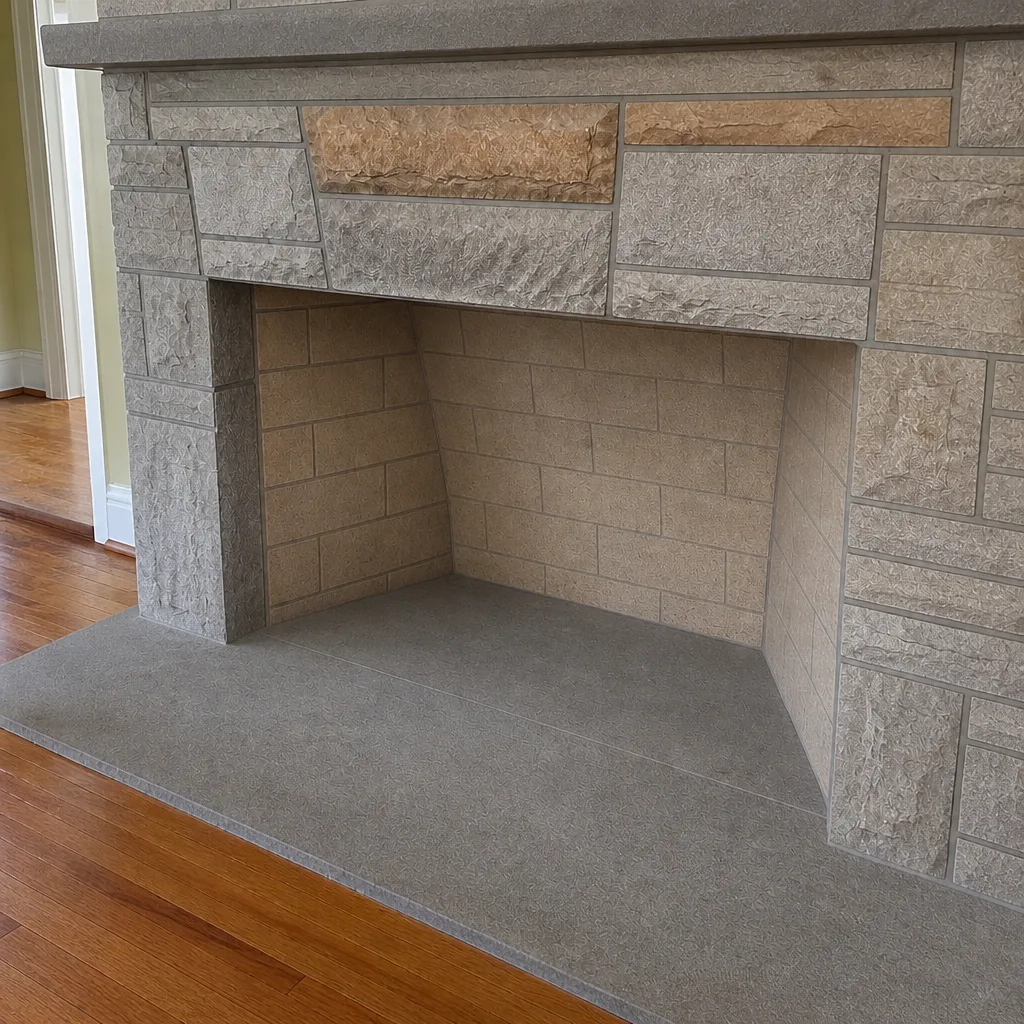 After
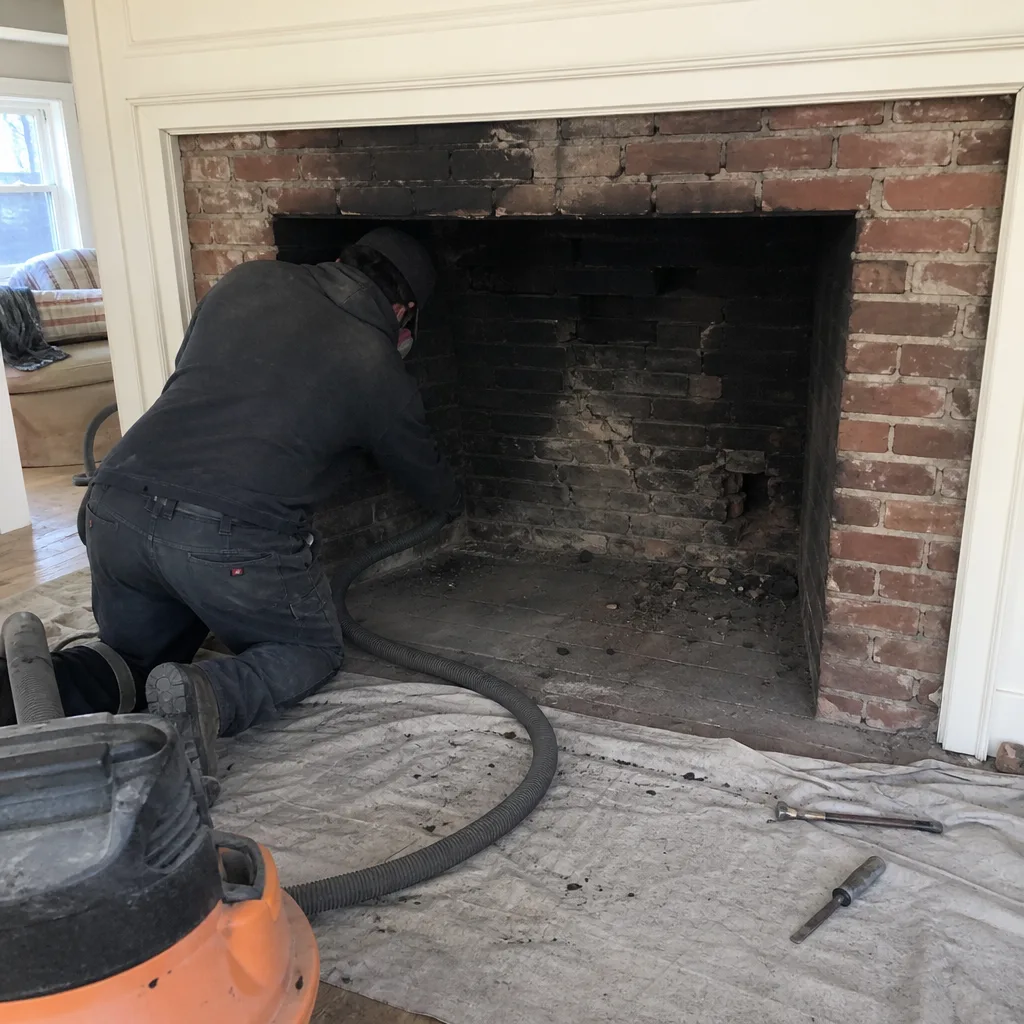 Before
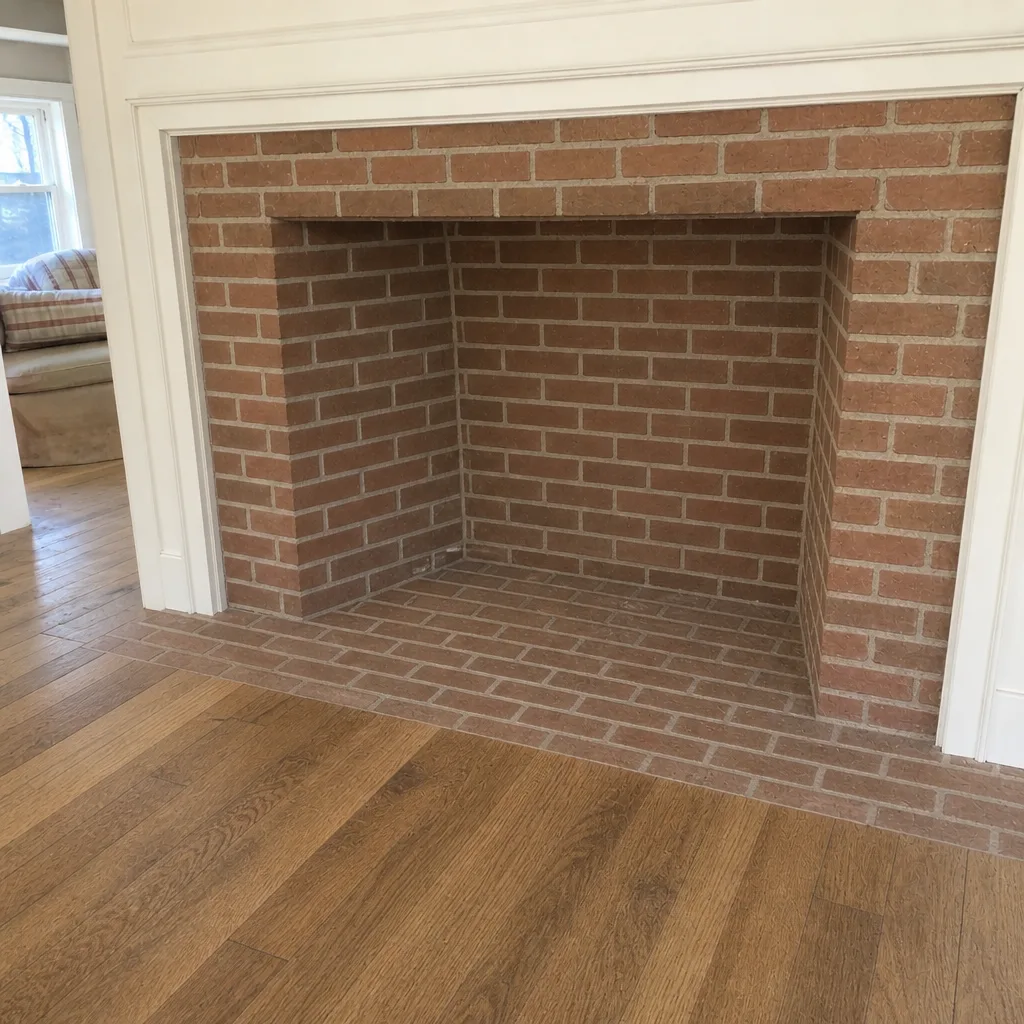 After
When to Call a Professional
Call a specialist when your checklist hits a red-line item, when it’s been more than a season since your last inspection, or when you’re buying or selling a home in West Roxbury and need a documented inspection. Call when you smell smoke inside the house with no fire going, when you see water staining at the firebox or the ceiling near the chimney, or when your damper no longer operates smoothly. Call before you start using the fireplace for the season if you burned more than a cord last year, and call after any storm that produced visible damage at the roofline.
Chimney Sweep West Roxbury offers free estimates in West Roxbury – call (833) 991-9334. We answer 24/7. Fast dispatch from 7am to 7pm, Sunday through Friday.
Frequently Asked Questions
Most West Roxbury homes should be inspected once a year and swept when buildup warrants it, which for a household burning two cords or more per season often means more than once. The right interval depends on burn volume, wood seasoning, and appliance type, not just the calendar. Call (833) 991-9334 and we’ll walk through your setup – estimates are free.
A sweep cleans the flue; an inspection evaluates the condition of every component and produces a report. They’re often done together, but they’re not the same service. A good inspection includes camera footage of the flue interior and photos of the cap, crown, firebox, and smoke chamber. Book a chimney sweep when you’re due, and ask for an inspection alongside it.
Small problems get bigger. A hairline crown crack becomes spalled brick. A hairline firebox crack becomes a heat path to the framing. A thin soot layer becomes glazed creosote, which is a genuine chimney fire risk. Skipping maintenance doesn’t cause a fire tomorrow, but it removes the early-warning system that catches problems while they’re still cheap to fix. Call (833) 991-9334 – estimates are free.
Not every failing clay liner requires replacement. If the tiles are deteriorated but still in place and structurally sound, HeatShield resurfacing can restore the flue interior without a full reline. When the tiles are cracked, missing, or off-set, a flexible stainless reline is usually the right answer; we spec systems from Olympia Chimney and similar brands for that work. The only way to know is with a camera inspection you can see for yourself. Call (833) 991-9334 – estimates are free.
Replace the cap if you can see rust-through, missing or torn screen, a bent or collapsed top, or if there’s no cap at all. A cap with light surface rust and an intact screen is fine to leave in place. From the ground, binoculars will tell you 80% of what a roof inspection will confirm. We install caps as part of chimney cap & crown work, and if the crown needs attention at the same time, we handle both in one visit. Call (833) 991-9334 – estimates are free.
You can do the visual checks from the ground, the burn-habit logging, and the year-over-year photo documentation yourself, and you should. The flue interior, smoke chamber, and firebox construction need a camera and someone trained to read what’s on it. Anything involving getting on the roof, opening up masonry, or working inside the flue is a job for a trained technician. Call (833) 991-9334 – estimates are free.
The Bottom Line
A chimney maintenance checklist works when it’s built around components instead of a date on the calendar. Inspect the cap and crown every season, get a camera inspection of the flue once a year, match your cleaning interval to how much you actually burn, and know which items are stop-use and which can wait. Document the whole thing with photos so you can see trends before they become emergencies. In West Roxbury, freeze-thaw winters make the crown and masonry a bigger deal than most homeowners realize, and a specialist who does this every day will catch problems a general handyman will miss.
If you want a baseline inspection and a plain-language report of what’s actually going on inside your chimney, call Chimney Sweep West Roxbury at (833) 991-9334 for a free estimate. We answer 24/7. Fast dispatch from 7am to 7pm, Sunday through Friday. Whether you’re due for a routine chimney sweep, a chimney cap & crown check, fireplace repair, or a full chimney inspection, we’ll tell you exactly what we see and what can safely wait.
Written by the team at Chimney Sweep West Roxbury.