
Last updated November 25, 2026
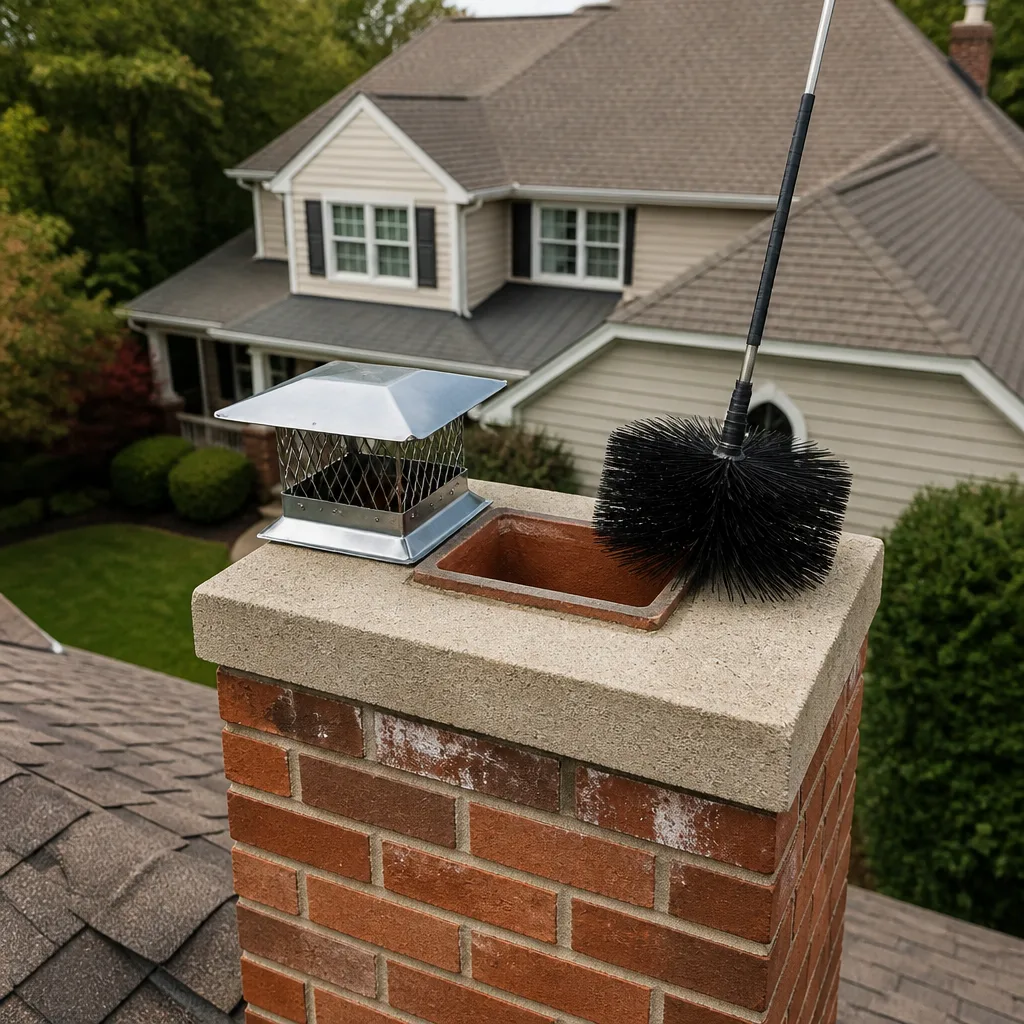 Sweep & inspection
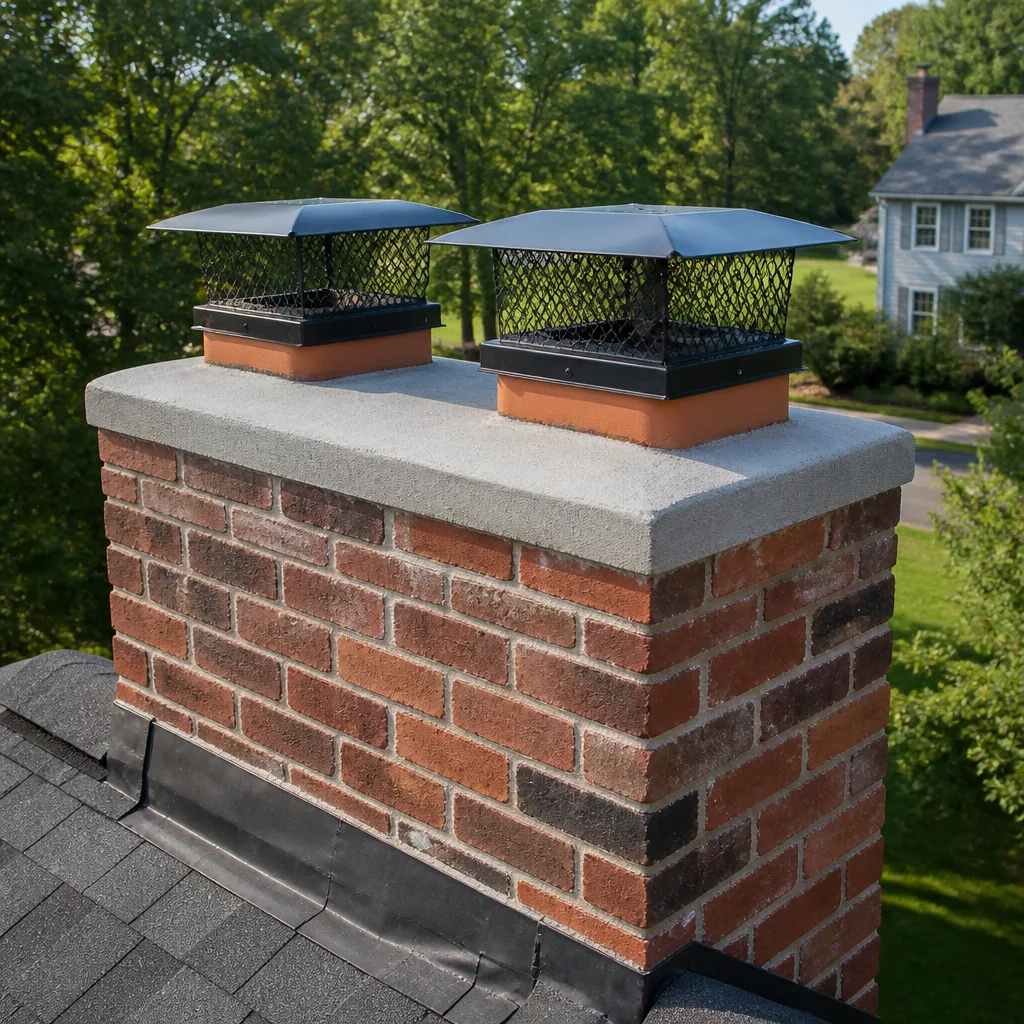 Caps & crowns
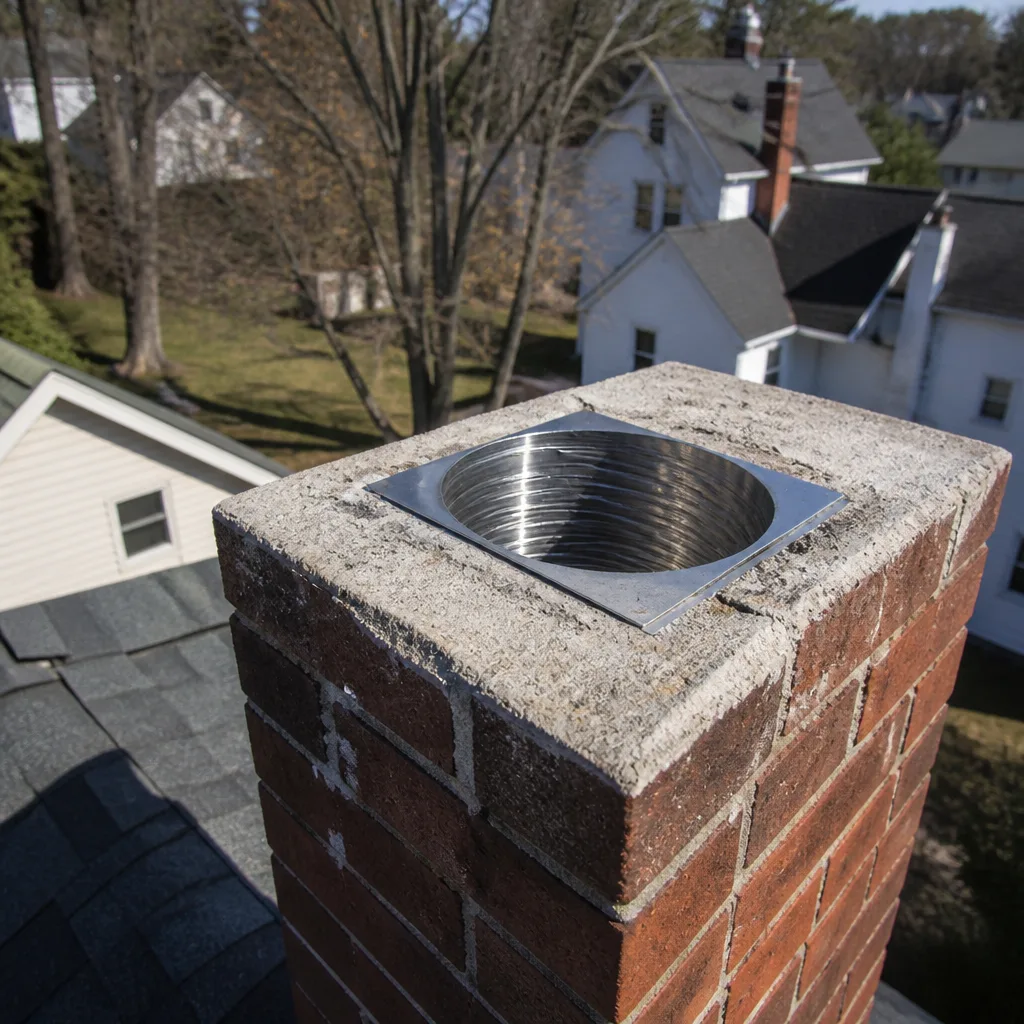 Flue relining
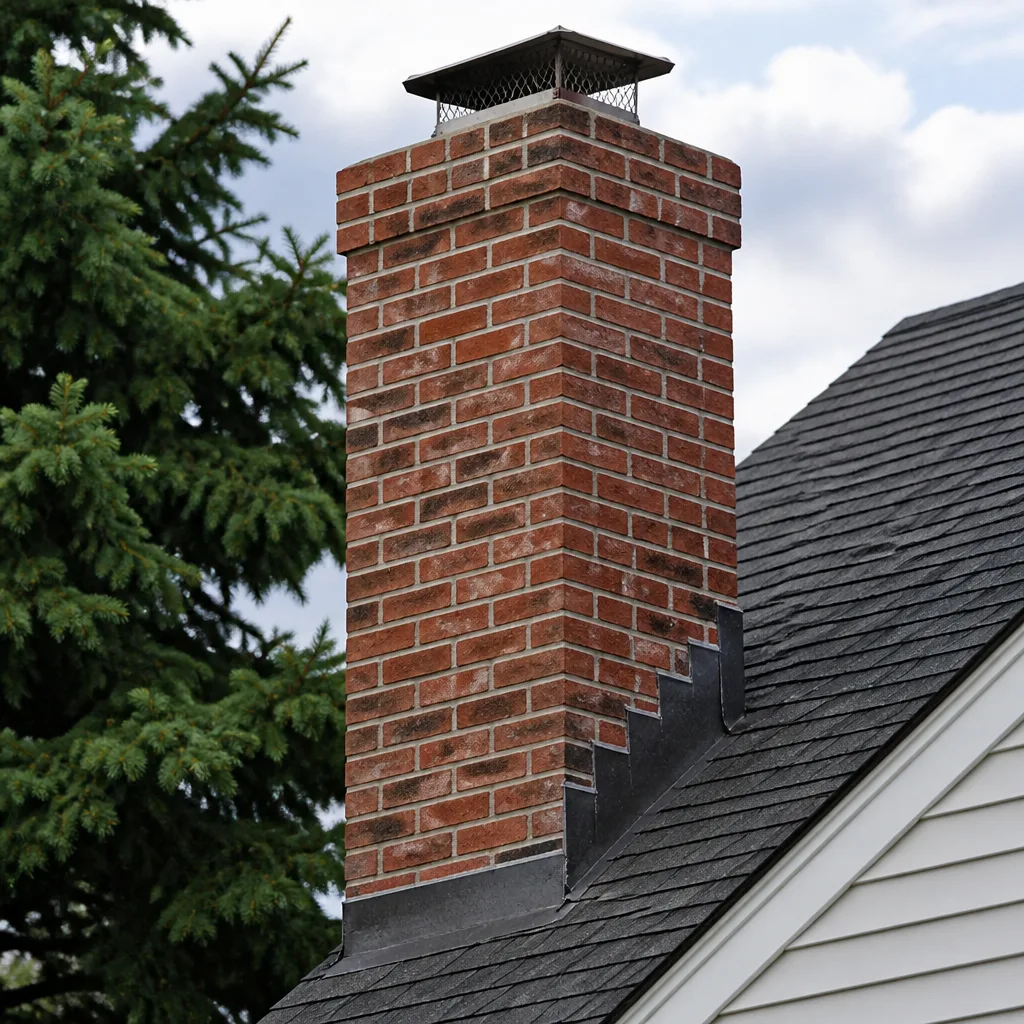 Masonry repair
 Gas fireplace service
Level 1 sweep and inspection to the NFPA 211 annual standard - flue, crown, cap, and flashing checked and photographed
Chimney sweep logs do not sweep chimneys. They loosen some creosote - which then falls where a brush and vacuum still have to collect it.
DIY vs Professional Chimney Cleaning: The West Roxbury Homeowner’s Decision Guide
You can buy the same chimney brush a professional uses. What you can’t buy at the hardware store is the knowledge to interpret what you find when you look down the flue, and that interpretation is most of the value of a chimney service call. A brush tells you nothing about whether the clay tiles behind it are spalling, whether the smoke chamber is shaped correctly, or whether the creosote you’re scraping is the kind that ignites. This guide walks West Roxbury homeowners through the narrow set of conditions where DIY brushing genuinely makes sense, what amateur cleaning cannot assess, and how to decide which route fits your chimney.
Quick Answer
DIY chimney brushing is only appropriate for a single-story, wood-burning chimney that has been professionally inspected recently and has no known liner damage; everything else calls for a professional. The core problem is that most homeowners can’t confirm they’re in that narrow category without an inspection first, and that inspection is exactly what DIY cleaning skips. If you can’t answer basic questions about your flue’s liner condition and creosote stage, book a professional and get real information before you decide anything.
Styles & brands we work with
- Sweep & inspection
- Caps & crowns
- Flue relining
- Masonry repair
- Gas fireplace service
Table of Contents
- What DIY Chimney Cleaning Can Actually Accomplish
- The Four Conditions Where DIY Brushing Is Appropriate
- What DIY Cleaning Cannot Assess
- Equipment Reality: What a Real Kit Costs
- Liability, Insurance, and Self-Certifying Your Chimney
- A Four-Question Decision Framework
- What a Professional Cleaning Actually Includes
- West Roxbury Chimneys and the Local Climate
What DIY Chimney Cleaning Can Actually Accomplish
A brush on a rod does one thing well: it knocks loose soot and light, flaky creosote off the flue walls. That’s a real job, and for a flue that’s already in good shape it removes a meaningful layer of fuel. The confusion starts when people assume that’s the whole service. It isn’t even close.
Professional chimney cleaning is a sequence, not a single action. In our experience, a proper chimney sweep involves protecting the room, brushing the flue with the correct size and stiffness of brush for the liner type, vacuuming with a HEPA unit so nothing escapes into the living space, and then inspecting the firebox, damper, smoke chamber, and flue with a camera and a light. The brushing is the visible part. The inspection is the part that keeps you safe.
Here’s what a homeowner with a brush can realistically accomplish:
- Remove light soot and stage-one creosote from an accessible flue in a single-story chimney
- Clear an obvious bird nest or leaf blockage from a straight, unobstructed flue
- Touch up the flue between professional visits in a heavily used fireplace
And here’s what a brush in inexperienced hands often does instead: it knocks creosote loose without removing it fully, it can damage a clay tile liner if the wrong brush is used, and it leaves the debris in the firebox for the next fire to burn. The job can look done while the dangerous material is still there, just relocated.
We specify the right materials for your flue because brush type matters. A poly brush for a stainless flexible liner is not the same tool as a wire brush for a clay tile flue, and using the wrong one is how liners get scratched. When we work with liner systems from DuraFlex or HeatShield, the cleaning method is chosen around the material, not the other way around.
The Four Conditions Where DIY Brushing Is Appropriate
We’re not going to tell you DIY cleaning is never reasonable. There is a real, narrow set of circumstances where it works. All four of these conditions have to be true at the same time. If even one fails, the calculation changes.
- The chimney is single-story and wood-burning. A straight, short flue from a fireplace on the ground floor is the simplest possible geometry. Multi-story runs, offsets, and stovepipe installations with bends are where brushes get stuck and where access becomes a safety issue.
- The system has been professionally inspected recently. “Recently” means you have a real inspection report from a qualified technician, not a memory of someone glancing at it. The report should confirm the liner is intact and the firebox is sound.
- There’s no known liner damage. Cracks, spalling tiles, gaps at the joints, or a liner that has already been relined in the past all mean the flue needs assessment, not brushing. A brush run through a compromised liner can widen a crack.
- You’re cleaning as maintenance, not as diagnosis. If your goal is to keep a healthy chimney healthy between professional visits, DIY brushing does no harm. If your goal is to find out whether something is wrong, DIY cleaning is the wrong tool for the job.
Notice what’s missing from that list: a rule about how handy you are. Being capable with tools doesn’t tell you whether your liner is intact. That’s not a skill question, it’s an information question, and the information comes from an inspection.
For West Roxbury homeowners in older houses, that fourth condition deserves extra weight. If you don’t have documentation of when the flue was last looked at, you can’t honestly check the box, and the honest move is to get the inspection first.
What DIY Cleaning Cannot Assess
This is the heart of the argument. A brush cleans. It doesn’t evaluate. Here are the specific things a professional looks at that a homeowner with a brush and a flashlight generally cannot judge.
Liner integrity
Clay tile liners crack. They spall. The mortar joints between tiles can fail, opening gaps that let heat and combustion gases into the surrounding structure. You can sometimes see a crack from the firebox looking up, but you can’t see the full run of the flue, the joints on the far side, or the crown of the liner from below. A camera inspection shows all of it. Without that view, you’re guessing about the one component that separates your fire from the wood framing of your house.
Smoke chamber geometry
The smoke chamber is the tapered space above the damper and below the flue. It’s supposed to guide smoke smoothly upward. When it’s rough, corbeled, or coated in glazed creosote, it causes draft problems and creates a surface that’s hard to clean. You can’t assess that geometry from the firebox with a mirror. It takes a camera and a trained eye.
Firebox deterioration
Firebrick degrades in stages: hairline cracks, then spalling, then loose or missing mortar. Some of that is normal wear and some of it means the firebox needs repair before the next fire. Distinguishing the two is a judgment call that comes from seeing hundreds of fireboxes. Missing it means burning against a failing barrier.
Flashing and exterior condition
Flashing is the metal that seals the chimney where it meets the roof. When it fails, water gets in, and water damage in a chimney is slow and expensive. You can’t see flashing from inside the flue. This part of the assessment happens on the roof, and it’s a routine part of a professional visit.
Creosote stage classification
Creosote comes in three stages. Stage one is light, flaky soot that brushes off easily. Stage two is a crusty, flaky deposit that brushes off with effort. Stage three is glazed, hardened, tar-like creosote that has baked onto the flue walls and will not come off with a brush at all. Stage three is the fire hazard. A homeowner scraping at a flue may not be able to tell whether what they’re looking at is stage two or stage three, and the difference matters enormously. Stage three needs professional removal before the chimney is used again.
That list is the answer to why professional cleaning is worth the money. The brushing is the part you’re paying least for. The assessment is the part that matters, and it requires tools, training, and experience.
Equipment Reality: What a Real Kit Costs
One of the quiet reasons DIY chimney cleaning is riskier than people expect: the tools that make the job safe are expensive, and casual DIYers rarely buy them. They buy a brush and a rod set and call it done. Here’s what a full professional kit actually involves.
- Sized brush heads. Chimney brushes come in specific diameters because the brush has to match the flue. A brush that’s too small doesn’t clean the walls. One that’s too large gets stuck, and a stuck brush in a flue is a serious problem. A proper kit includes multiple sizes.
- Flexible rods. Cheap rods bend and whip. Good rods are stiff enough to push the brush around a bend and flexible enough not to damage the liner. This is one of the costliest parts of a professional setup.
- A HEPA vacuum. This is the tool most DIYers skip, and it’s the one that keeps soot out of your house. Brushing a flue without a vacuum at the firebox opening means fine soot drifts into the room, settles on every surface, and gets into the HVAC system. A HEPA vacuum built for chimney work is a serious investment.
- Drop cloths and containment. Professional setups include heavy drop cloths, a sealed firebox cover, and sometimes a zip-wall. This is unglamorous equipment, and it’s the reason a professional cleaning doesn’t leave the room dirty.
- A camera on a flexible rod. The inspection camera is how the technician sees what brushing can’t reveal. It’s not a consumer tool, and it’s the single biggest reason professional cleaning gives you information you can act on.
- Personal protective equipment. Respirators, eye protection, gloves, and the ladder and roof access equipment for the exterior portion of the work.
A homeowner committed to doing this properly would spend more on tools than several years of professional cleanings. Most people don’t make that investment. They buy the cheap kit, skip the vacuum, skip the camera, and skip the roof. That’s fine for maintenance brushing on a healthy chimney, but it’s not the same service.
We work with professional-grade products from brands like Copperfield and Gelco because the right tool for the job is the foundation of doing it right. When a homeowner buys the wrong tool, the chimney pays for it.
Liability, Insurance, and Self-Certifying Your Chimney
Here’s a question most DIY guides skip: what happens if something goes wrong after you clean your own chimney? The honest answer is that you’ve taken on the role of the professional, and the responsibility that goes with it.
When a professional sweeps and inspects your chimney, the visit produces a documented record of the system’s condition on that date. If a fire happens later, that record shows the state of the flue at the time of service. If you clean your own chimney, no such record exists. There’s no third-party confirmation that the liner was intact or that the creosote was fully removed. That gap matters if you ever need to make a claim.
Homeowner’s policies vary widely on what they require for wood-burning appliances. Some carriers ask for proof of regular professional maintenance. Others exclude losses tied to lack of maintenance. We can’t tell you what your specific policy requires, because we don’t have access to it, but it’s worth a call to your agent before you decide to self-certify. Ask one direct question: does my policy require professional chimney maintenance, and would a self-cleaned chimney affect a claim?
There’s a second liability angle, and it’s the one that matters more. If you clean your own chimney and miss a liner crack, you’ve effectively certified the system as safe. Your family is the one exposed to that risk. The insurance question is about money. This question is about the people in the house.
This is why we offer chimney inspections as a standalone service, separate from cleaning. If you want to DIY clean but want a professional assessment first, we can do the inspection without the sweep. That gives you real information to base your decision on.
A Four-Question Decision Framework
Before you decide between DIY and professional cleaning, answer four questions. They’re ordered deliberately: if you can’t answer the first one, the others don’t matter yet.
- When was this chimney last professionally inspected? If you don’t have a documented inspection in the recent past, start there. An inspection is not the same as a cleaning, and it’s the information you need before any DIY attempt.
- Is the flue lined, and is the liner intact? If you don’t know, the answer is “unknown,” and unknown means professional. A liner in question is a stop sign. A clay-tile liner with visible cracks or gaps needs an assessment by someone trained to evaluate it, and in some cases HeatShield resurfacing can restore a deteriorating clay flue without a full rebuild.
- What stage is the creosote in? If you’ve had a professional confirm it’s stage one or two, DIY maintenance brushing is reasonable. If you’ve never had it assessed, or if you’ve seen glazed or tar-like deposits in the firebox, that’s stage three territory and needs professional removal.
- What does your insurance policy require? One call to your agent settles this. If the policy asks for professional maintenance, the decision is made for you.
If all four answers point toward a healthy, recently inspected, lightly soiled system, DIY brushing between professional visits is a reasonable choice. If any of them are unknown or point toward a problem, book the professional visit. You’ll get the cleaning plus the information, and the information is the part you can’t buy at a hardware store.
This framework is also the reason we recommend a standalone professional inspection for anyone who’s never had one. You can’t make a good decision with bad information, and a DIY brush doesn’t generate information. It generates a clean-looking flue.
What a Professional Cleaning Actually Includes
When West Roxbury homeowners ask what they’re paying for, we walk them through the sequence. Here’s what a proper visit looks like, and what separates it from a brush on a rod.
- Room protection and containment. Drop cloths and a sealed firebox opening before any brushing begins.
- Flue brushing with matched tools. The right brush for the liner material, run the full length of the flue.
- HEPA vacuuming throughout. Soot and debris captured at the source, not released into the room.
- Firebox and damper inspection. Firebrick condition, mortar joints, damper operation.
- Smoke chamber assessment. Condition of the chamber surfaces and any creosote buildup in the tapered area.
- Camera inspection of the flue. Visual confirmation of liner condition along the entire run.
- Creosote stage classification. A specific answer about the stage, not a vague “it looked okay.”
- Exterior check. Chimney cap and crown condition, flashing integrity, and any obvious signs of water intrusion or animal access.
- A written report. Documentation of what was found, what was cleaned, and what needs attention. Standalone inspections for real estate transactions and insurance requirements come from this same process.
The cap and crown portion of the visit is where preventive work lives. A good cap keeps rain, birds, and squirrels out of the flue. A sound crown sheds water off the top of the chimney and keeps it from soaking into the brick and mortar. When either is compromised, water intrusion follows, and water damage in a chimney is a much bigger bill than a chimney cap & crown repair. That’s the argument for looking at these on every visit, not just when something goes wrong.
West Roxbury Chimneys and the Local Climate
West Roxbury has a lot of older housing stock, and that matters to this decision. Many of the homes in neighborhoods like Bellevue Hill, Centre Street, and the streets off LaGrange Street were built when clay-tile liners were standard and fireplace construction was intended for wood. Those liners have been through years of freeze-thaw cycles, and freeze-thaw is what cracks clay tile. Water gets into a hairline crack, freezes, expands, and widens the crack. West Roxbury winters run cold enough to drive that cycle hard.
That’s the local reason inspection matters more than brushing here. In a milder climate, a DIY cleaner might get away with brushing for years without consequence. In West Roxbury, a hairline crack that would be minor elsewhere can open up over a couple of winters.
Burning season matters too. Most West Roxbury fireplaces see heavy use from late fall through early spring, which is exactly when stage three creosote has the most time to accumulate and the most chances to ignite. The best window to get a chimney swept and inspected is before the season starts, not in the middle of it after a problem shows up.
Homes in West Roxbury that have been converted to gas logs need attention too, but for a different reason. Gas appliances don’t produce creosote, but they do produce moisture, and an oversized flue with a gas appliance can suffer from condensation and deterioration. The inspection requirements are different, and the DIY case is weaker, because there’s nothing to brush and everything to assess.
West Roxbury isn’t coastal, so the main weather threat to a chimney here is water from rain, snow, and ice, not salt. That puts the emphasis on the cap, crown, and flashing, and those are roof-level items a homeowner cleaning from below never sees. If your chimney crown is cracked or your cap is missing, no amount of DIY brushing inside will fix the damage happening outside.
Common Mistakes to Avoid
- Assuming a clean-looking firebox means a safe chimney. Soot in the firebox is the least of your concerns. The liner condition and creosote stage are what matter, and neither is visible from the floor.
- Using the wrong brush for the liner. A wire brush on a stainless flexible liner can scratch and damage it. Poly brushes are for metal liners; clay tile takes a different brush. Match the tool to the material.
- Skipping the vacuum and letting soot loose in the house. Brushing without HEPA containment at the firebox opening sends fine soot through the room and into the HVAC system. What you save in tools you spend on cleaning the house.
- Treating an inspection as the same thing as a cleaning. They’re different services. A cleaning removes deposits; an inspection evaluates the system. If you schedule one, make sure you know which you’re getting.
- Ignoring the cap and crown because the inside looks fine. The exterior of the chimney takes the weather. A cracked crown or missing cap lets water in, and water damage in West Roxbury chimneys is common because of the freeze-thaw cycle.
- Self-certifying without documentation. Cleaning your own chimney means no third-party record of its condition. If you ever need to make a claim, that gap becomes a problem.
- Going up on the roof to clean the flue from the top without training or fall protection. This is how people get seriously hurt. The roof is not the place to learn.
Safety comes before everything else on this list. Creosote fires burn hot and fast, and carbon monoxide from a compromised flue is invisible. This is one of the areas where the stakes are high enough that a trained professional is the right call when there’s any doubt at all.
See the difference
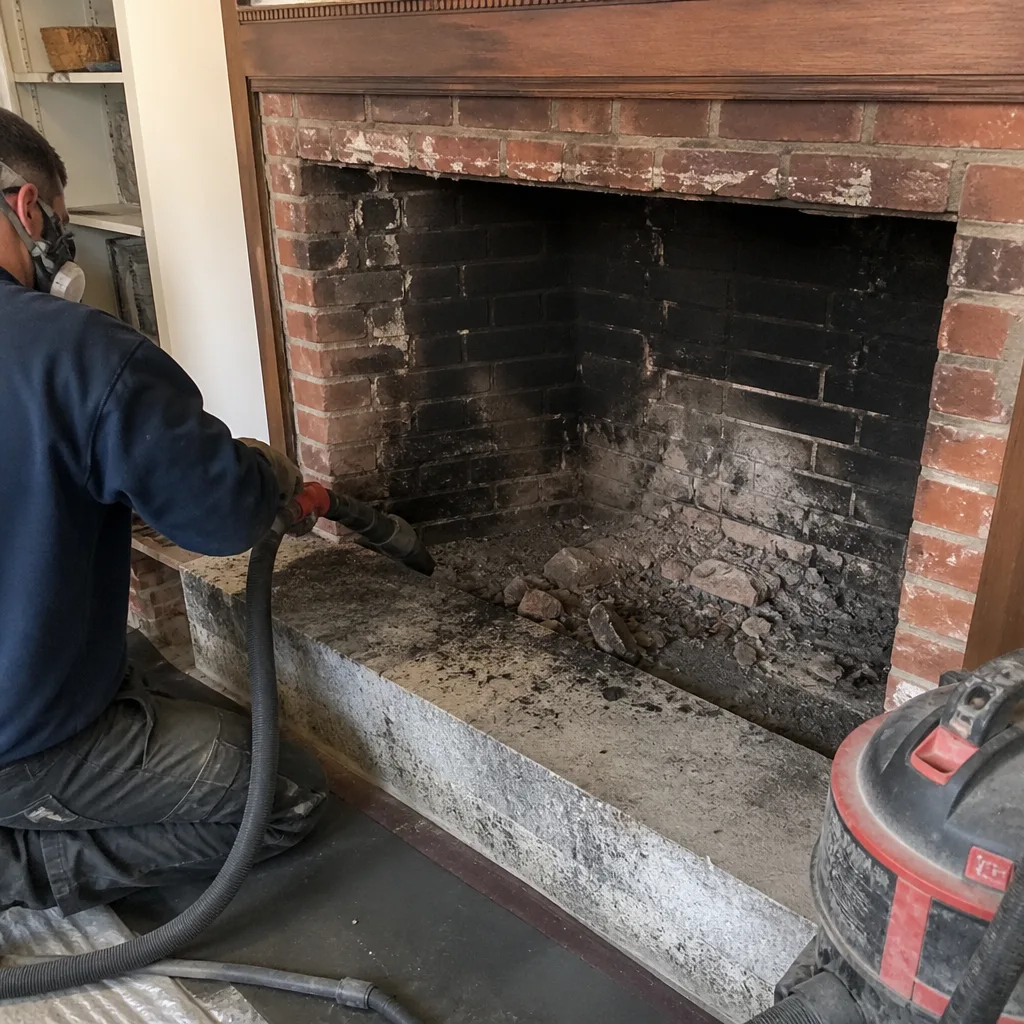 Before
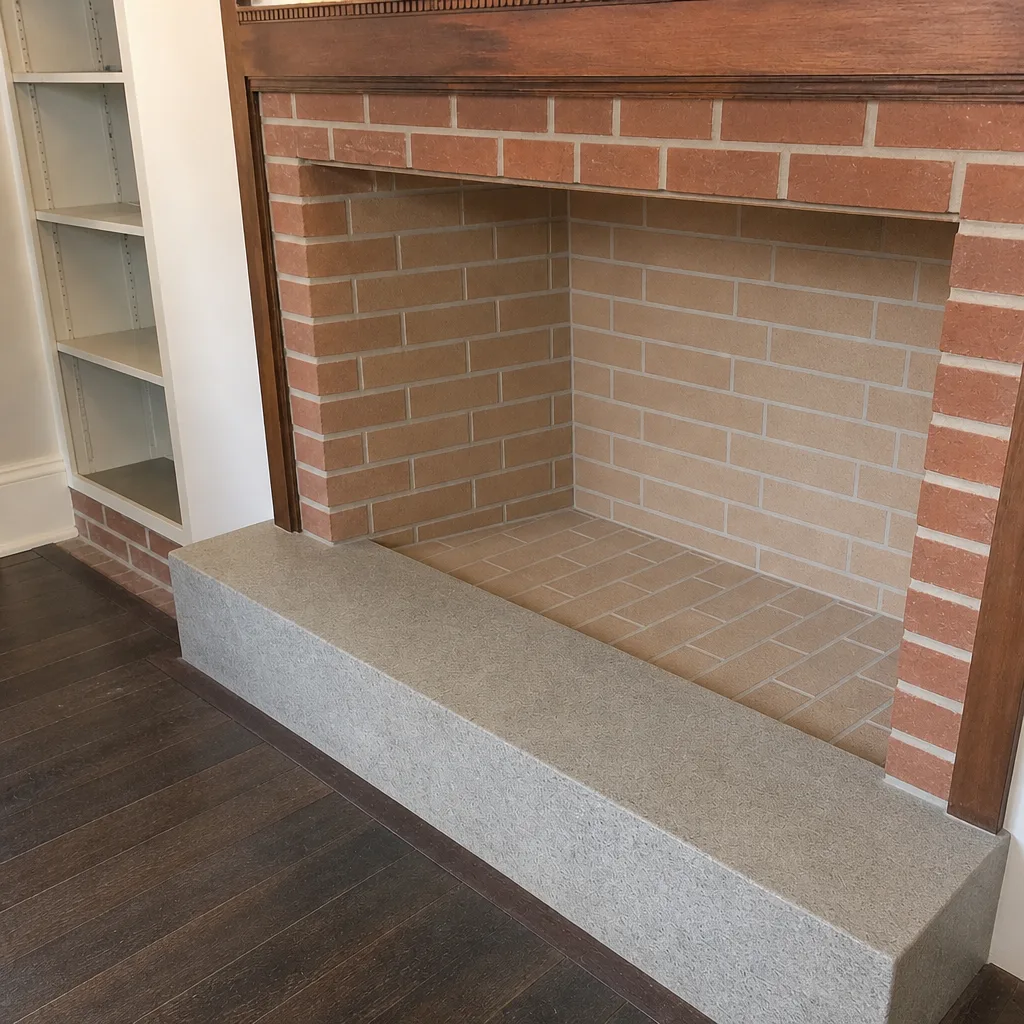 After
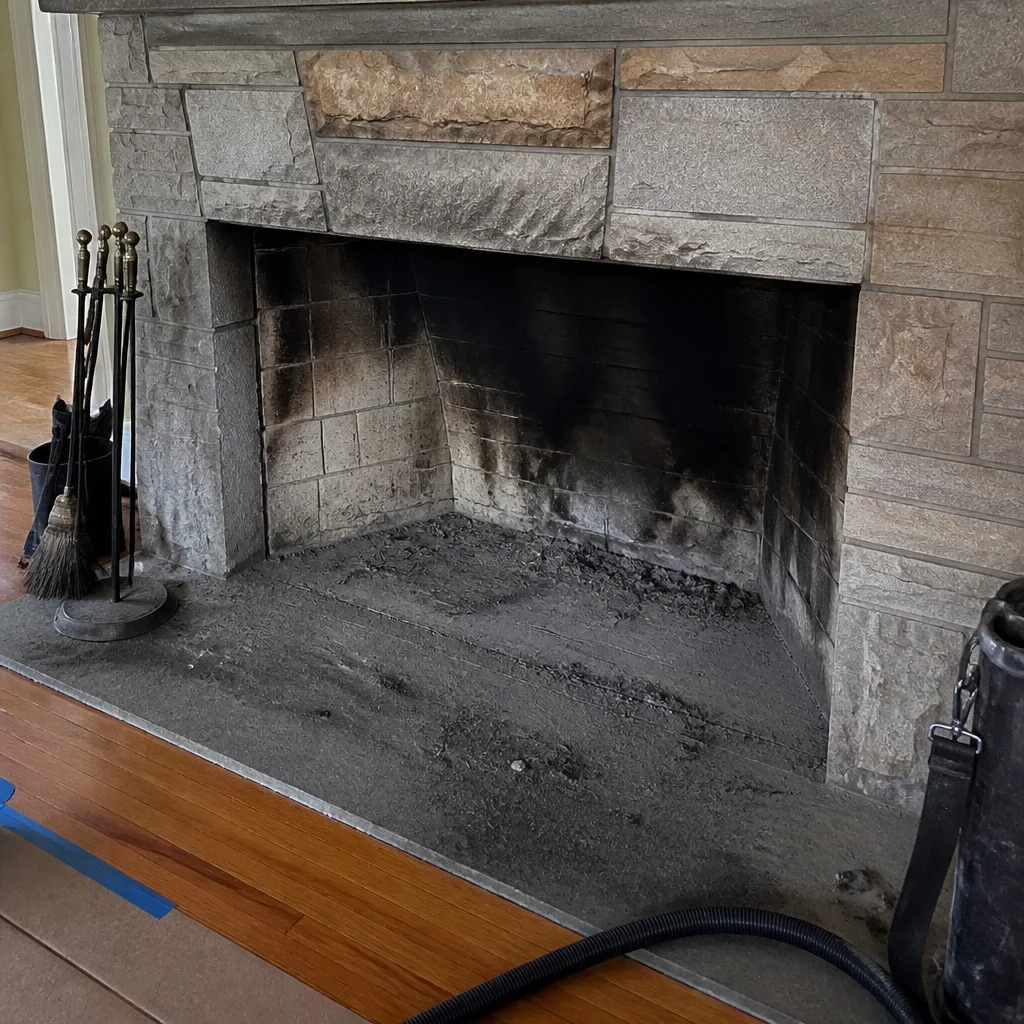 Before
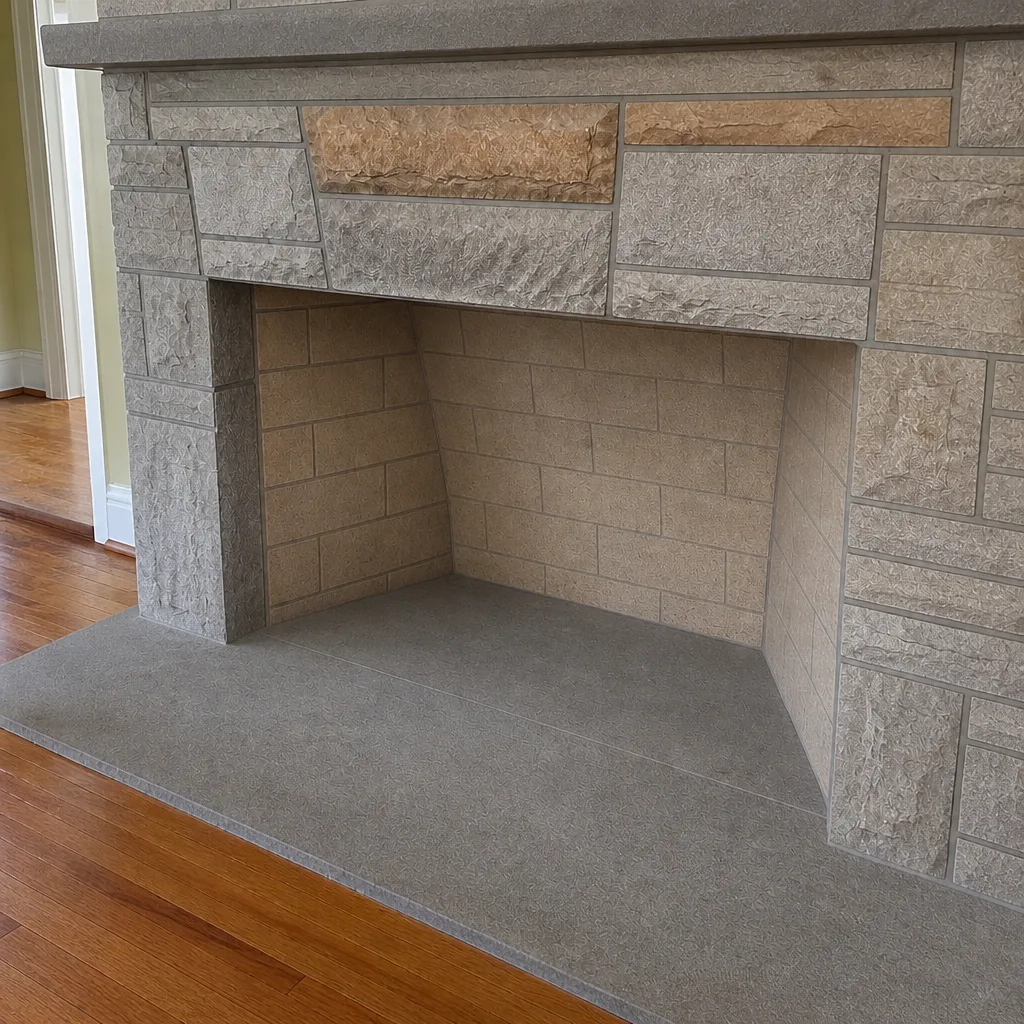 After
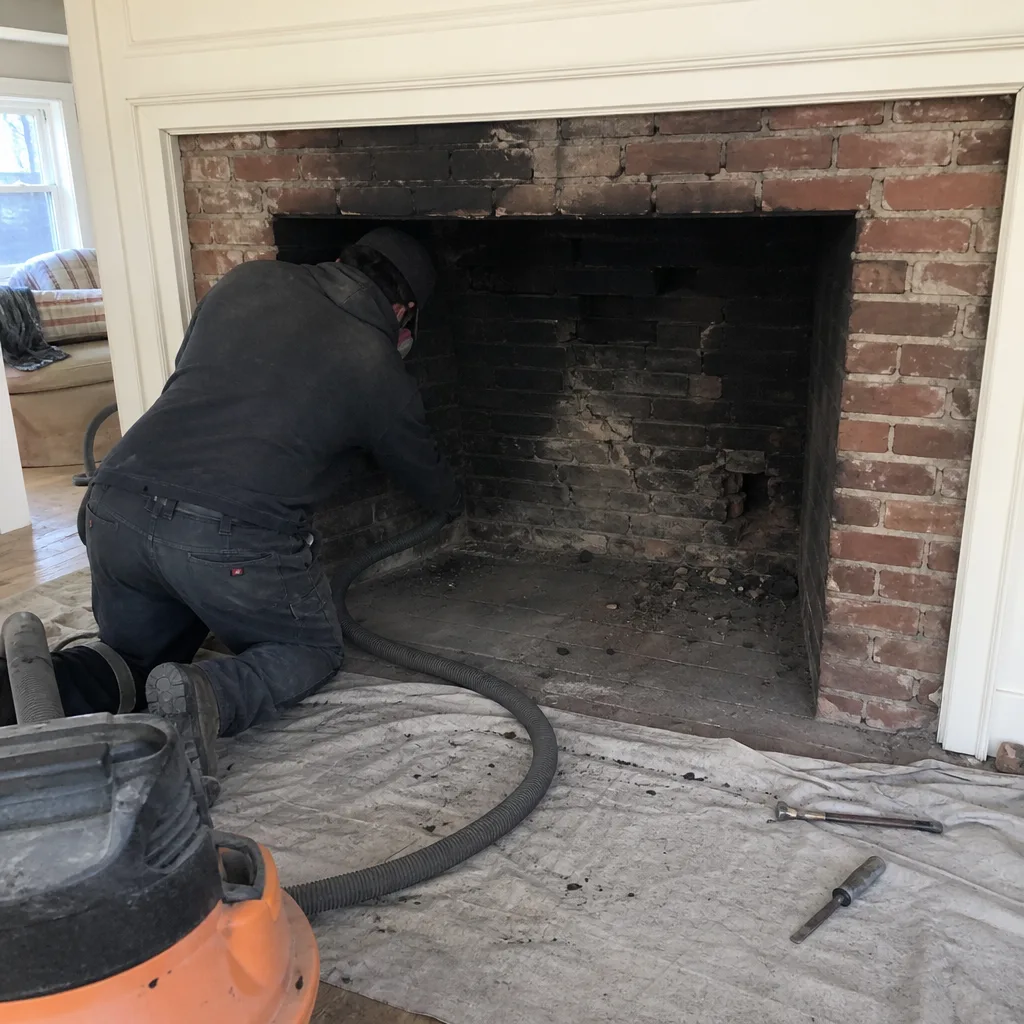 Before
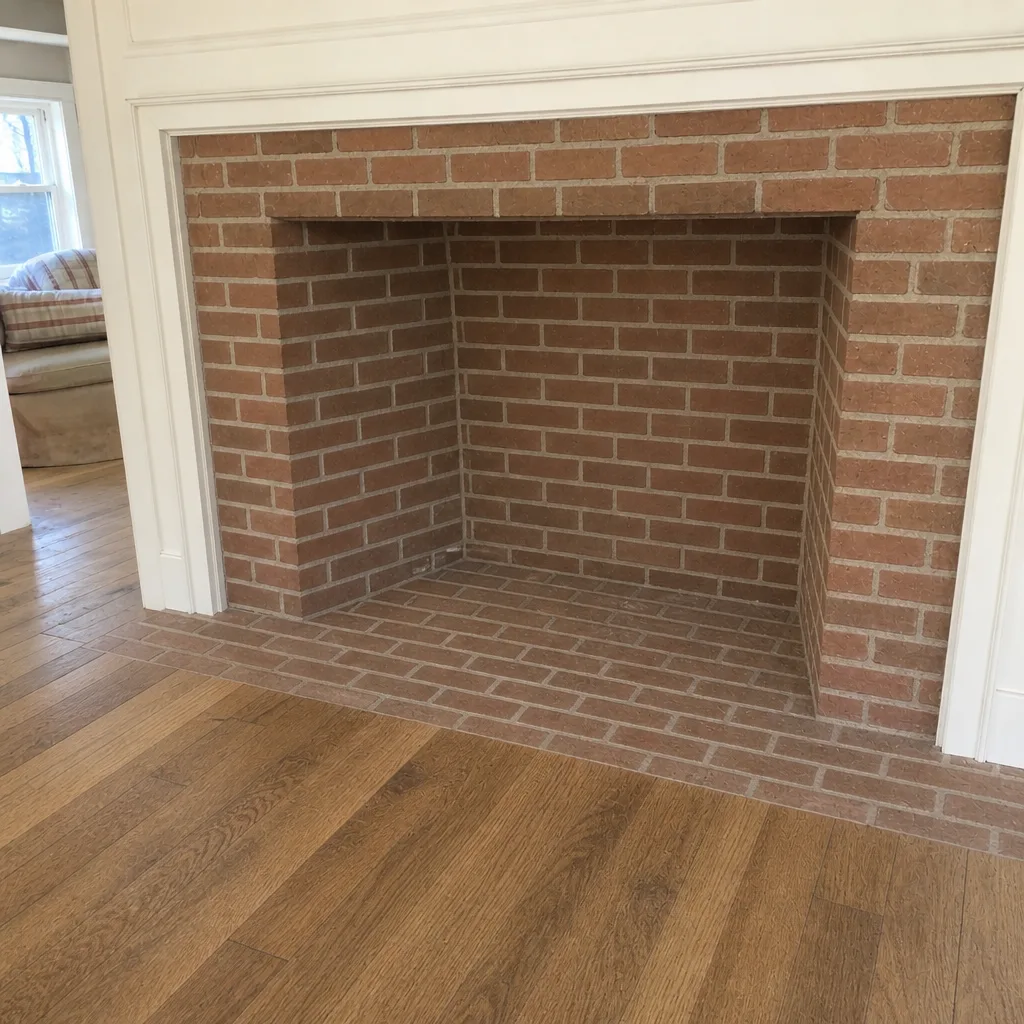 After
When to Call a Professional
Call a professional in these situations: you don’t have a documented inspection of the chimney; you see cracked, spalling, or missing liner tiles; you notice glazed or tar-like deposits in the firebox or flue; the chimney has visible damage to the crown, cap, or flashing; you’re buying or selling a home and need a documented inspection; or your insurance carrier requires proof of maintenance. Also call if you’ve never had this chimney looked at, since you can’t answer the four decision questions without the inspection.
Chimney Sweep West Roxbury offers free estimates in West Roxbury. Call (833) 991-9334. We answer 24/7. Fast dispatch from 7am to 7pm, Sunday through Friday. Our technicians have up to 11 years of experience, and we do the full scope: sweep, inspection, cap and crown, liner repair, fireplace repair, and structural chimney repair.
Frequently Asked Questions
Yes, if the chimney is single-story, wood-burning, recently inspected, and has no known liner damage. Carefulness isn’t the deciding factor; the condition of your liner and creosote is. If you can’t confirm the condition, get an inspection first.
If you haven’t had a documented inspection in the recent past, or if you see cracks in the firebox, glazed deposits, or any roof-level damage, it needs a professional look. A cleaning also gives you the creosote stage classification you need to decide on DIY maintenance going forward.
A cleaning removes soot and creosote. An inspection evaluates the condition of the liner, firebox, smoke chamber, and exterior. You can schedule an inspection on its own, and we do standalone inspections for real estate transactions and insurance requirements.
It can. The wrong brush on the wrong liner material can scratch stainless liners or widen cracks in clay tile. A stuck brush in a flue is also a real hazard, and getting one out often costs more than the cleaning would have.
That depends entirely on your policy. Some carriers require proof of professional maintenance, and a self-cleaned chimney leaves no third-party record. Call your agent and ask directly before you decide to skip professional service.
That depends on how much you burn. Heavily used fireplaces typically need annual cleaning, and light users can sometimes go longer between professional visits. The creosote buildup rate is the deciding factor, and the inspection tells you how fast yours is accumulating.
In many cases, yes. HeatShield resurfacing is a method for restoring a deteriorating clay-tile flue without full demolition. A professional liner system like DuraFlex may be the right answer for a flue that’s more seriously compromised. The inspection determines which approach fits your chimney.
The Bottom Line
DIY chimney brushing has a place, and that place is a narrow one: a healthy, recently inspected, single-story wood-burning chimney that just needs maintenance between professional visits. Outside those conditions, the brush does the cleanup but skips the assessment, and the assessment is what keeps your family safe. If you have no documented inspection, uncertain liner condition, or roof-level damage, a professional visit gives you the cleaning and the information in one go. Start with the inspection. Our technicians have up to 11 years of experience, so we’ve seen what a missing inspection hides. Call (833) 991-9334 for a free estimate. We answer 24/7. Fast dispatch from 7am to 7pm, Sunday through Friday.
Written by the team at Chimney Sweep West Roxbury.